carthusian pink Care (Dianthus carthusianorum)

Also known as: clusterhead
carthusian pink

About carthusian pink

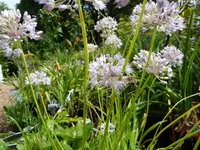
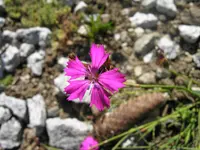
Carthusian pink (Dianthus carthusianorum) is a compact, clump-forming perennial in the carnation family, valued for its fine texture and long flowering season. It typically produces slender, upright stems topped with small, clustered magenta blooms above narrow, grass-like foliage.

This species is native to dry meadows and open slopes across central and southern Europe, where it thrives in sunny, well-drained sites. Its tolerance of poor, rocky soils and moderate drought makes it a relatively low-maintenance choice for informal borders, gravel gardens, and naturalistic plantings.

Gardeners who want to learn how to care for carthusian pink should note that it generally prefers full sun, lean soil, and good drainage to stay healthy and floriferous.

Main Plant Requirements

Care Difficulty

Easy Care

Light Preference

Full Sun

Water Requirements

Low Water

Temperature Preference

Cold Hardy

Hardiness Zone

4–8

Soil Texture

Sandy, Loamy, Rocky

Soil pH

Slightly acidic (6.5–7.0), Neutral (7.0)

Soil Drainage

Well-drained

Fertilization

Minimal (feed rarely)

Get Personalized Care Plan

Scan your plant to receive care tips personalized for your specific plant

Available on iOS and Android

How to Care for the carthusian pink

This sun-loving perennial thrives in open, bright positions with only light shade.

  • Provide 6–8 hours of direct sun daily; morning and midday sun are ideal, while harsh late-afternoon sun in hot climates may scorch foliage and fade flowers.
  • Tolerates light partial shade (3–4 hours sun) but stems of carthusian pink may stretch and flowering can decrease in too much shade.
  • In cooler seasons or coastal areas, full sun all day supports compact growth, but in very hot summers use neighboring plants or structures for brief afternoon shade.

This species prefers slightly dry, well-drained conditions rather than consistently moist soil.

  • Water when the top 3–5 cm of soil are dry, using a deep soak, then allow the soil to dry again; sandy or gravelly soils suit Dianthus carthusianorum best.
  • Reduce watering in cool seasons, especially winter, to prevent root rot; established plants in the ground often manage on natural rainfall except in prolonged drought.
  • Watch for overwatering signs such as yellowing, limp foliage and a sour soil smell, and underwatering signs such as drooping, crisp leaves and stalled flowering.

This hardy perennial tolerates a wide range of outdoor temperatures when soil drains freely.

  • Optimal growth occurs around 60–75°F (16–24°C), supporting steady foliage development and strong flowering stems in late spring and summer.
  • Mature plants usually survive down to about 0°F (-18°C) with good drainage; in colder areas, mulch lightly to buffer rapid freeze–thaw cycles.
  • Handles summer heat up to about 85–90°F (29–32°C) if soil does not stay wet; prolonged extreme heat with high humidity can reduce flowering and shorten bloom duration.

This species tolerates a wide humidity range and rarely needs special humidity management indoors or outdoors.

  • Target 30–50% humidity; average indoor air is usually sufficient for carthusian pink.
  • Plant stress from high humidity appears as grey mold on stems or flowers and limp, spotted foliage.
  • Increase air movement with a small fan or open window rather than misting, which can promote fungal problems.

Dianthus carthusianorum prefers lean, well-drained soil that stays slightly dry between waterings.

  • Use a sandy or gritty loam with low to moderate organic matter to mimic its native rocky habitats.
  • Ensure very sharp drainage; mix roughly 50–60% mineral material (coarse sand, small grit, or perlite) with 40–50% loam-based compost.
  • Keep pH slightly alkaline to neutral, around 6.8–7.5, and avoid very acidic mixes that reduce vigor and flowering.
  • Avoid heavy clay, waterlogged, or peat-heavy soils; raise the planting area or use grit to improve aeration and prevent root rot.

This species is well suited to container growing when drainage and root conditions are managed carefully.

  • Choose a pot at least 20–25 cm deep to accommodate its taproot without bending or circling.
  • Use a heavy terracotta or stone container if exposed to wind so the narrow, upright clumps do not tip over.
  • Elevate the pot on feet or bricks so drainage holes remain clear and excess water leaves the root zone quickly.

Dianthus carthusianorum grows well in lean soil and needs only light feeding to flower reliably.

  • Use a balanced, low-dose granular fertilizer or compost worked lightly into the topsoil in early spring.
  • Feed once at spring growth and, if soil is poor, again lightly in mid-summer during the main blooming period.
  • Apply at half the label rate to avoid lush, floppy growth and salt buildup in this naturally low-nutrient species.
  • Stop feeding in late summer so plants can harden off, and do not fertilize during winter dormancy.

Pruning helps Dianthus carthusianorum stay compact and produce more flowers.

  • Deadhead spent flower stems in summer by cutting them back to a healthy leaf node to encourage repeat blooming.
  • In late summer to early fall, shear back straggly or leggy stems to maintain a tidy, upright clump.
  • Remove dead, damaged, or crowded shoots at the base using clean, sharp scissors or hand pruners.
  • Avoid cutting into the woody crown; leave a cushion of green foliage to support regrowth.

This species is usually grown in garden beds, so focus on careful transplanting rather than frequent repotting.

  • Transplant in spring or early fall when temperatures are mild and soil is workable.
  • Move plants when growth slows, clumps become crowded, or flowering declines in the original spot.
  • Lift the clump with a trowel, keeping roots and surrounding soil intact to minimize transplant shock.
  • Replant at the same depth in well-drained soil, water thoroughly, then keep evenly moist until re-established.

Dianthus carthusianorum is commonly propagated by seed, division, or non-woody stem cuttings.

  • Sow seeds in late winter to spring in trays with well-drained mix, keeping 60–70°F and bright light for germination.
  • Divide mature clumps in early spring, replanting small sections with healthy roots and several shoots.
  • Take 5–7 cm softwood cuttings in late spring, insert into gritty, moist medium, and keep humidity moderate.
  • Space young plants in sunny, well-drained positions to prevent crowding and improve long-term flowering.

This perennial is generally cold hardy in temperate climates and needs only modest winter care.

  • In-ground plants tolerate frost once established, especially in well-drained soil.
  • Apply a light mulch of gravel or coarse organic material around the crown to moderate freeze–thaw cycles.
  • Avoid heavy, wet mulches that trap moisture against the crown and increase rot risk.
  • Overwinter container plants in a sheltered, unheated area, keeping the soil barely moist.

Care Tips

Deadhead In Stages

Shear off spent flower stems in batches every 1–2 weeks rather than all at once to keep the plants blooming while still allowing a few late-season seedheads to form for gentle self-seeding.

Use Gritty Mulch

Top-dress around clumps with a thin layer of horticultural grit or fine gravel instead of organic mulch to suppress weeds, protect the crown from winter wet, and keep stems from rotting at the base.

Support In Wind

In exposed, windy sites, loop a low ring of soft twine around the outside of each clump and attach it to discreet canes so the tall, wiry stems stay upright without looking formally staked.

Renew Tired Clumps

Every 3–4 years, lift and divide congested clumps in early spring, replanting only the youngest, healthiest outer sections so flowering remains strong and plants do not thin out in the center.

Create Dry Pockets

When growing carthusian pink in heavier soil, plant into slightly raised mounds or along the top edge of a slope or rock wall to ensure excess water drains away from the crown throughout the year.

Common Pests and Diseases

Carnation leaf spot

This disease causes small purple to brown spots on leaves that may merge and lead to yellowing and premature leaf drop, especially in humid conditions.

Solution

Remove and dispose of affected leaves, avoid overhead watering, and keep foliage as dry as possible; improve spacing and airflow, and if the problem persists in a border of Dianthus carthusianorum, apply a chlorothalonil or mancozeb-based fungicide labeled for Dianthus according to directions.

Fusarium wilt

This disease leads to gradual wilting, yellowing, and dieback of stems, often starting on one side of the plant, with brown discoloration inside the stem tissue.

Solution

Promptly remove and destroy affected plants, avoid replanting Dianthus in the same spot for several years, improve drainage, and buy disease-free stock; in heavy, warm soils, raise beds or amend with grit to lower moisture stress that favors this pathogen.

Aphids

These insects cluster on young stems and flower buds, sucking sap and causing distortion, sticky honeydew, and sometimes sooty mold on foliage and stems.

Solution

Wash colonies off with a strong stream of water, encourage natural predators like lady beetles, and if needed use an insecticidal soap or neem oil spray, ensuring thorough coverage of stems and flower stalks while treating in the early morning or evening.

Carnation tortrix caterpillars

This pest chews and tunnels into buds and young shoots, often webbing petals together and causing deformed or aborted flowers on carthusian pinks.

Solution

Inspect flower stems regularly, hand-pick and destroy caterpillars and webbed buds, and if damage is persistent use a biological control containing Bacillus thuringiensis (Bt) targeted to young larvae, applying in calm, dry weather and repeating as label-directed.

Botrytis blight

This disease produces soft, water-soaked spots on petals and stems that quickly develop gray, fuzzy mold, especially during cool, damp weather or prolonged rain.

Solution

Remove and discard all affected flowers and stems, avoid overhead watering, and improve airflow around clumps; in persistent wet conditions, apply a labeled botrytis-active fungicide and deadhead spent blooms promptly to reduce infection sites and support healthy growing carthusian pink.

Interesting Facts

Narrow alpine specialist

This species is naturally concentrated in dry, open grasslands and rocky slopes of central European mountains and uplands, where it is adapted to shallow, low-fertility soils and high light levels.

Long-blooming flower spikes

It produces slender stems that can carry clusters of small magenta flowers over an extended period in summer, often flowering for several weeks where conditions stay relatively cool and dry.

Value for wild pollinators

Its nectar-rich flowers are frequently visited by small bees, hoverflies, and day-flying moths, making it a useful species in traditional European meadow communities and pollinator-friendly plantings.

Botan icon

Did you know?

In parts of central Europe, this species is considered an indicator of long-established, low-input grasslands, so its presence can signal that a meadow has been managed in a relatively traditional, low-intensity way for many decades.

FAQs about carthusian pink

This species is highly attractive to bees, hoverflies, and butterflies due to its nectar-rich, open flowers. Planting several together in sunny, open spots helps support pollinators and fits well into wildlife-friendly gardens.

Grow Healthy Plants with Botan Care

Keep your plants happy and healthy with plant identification, disease detection, and easy care guidance.

Botan plant care app — identify plants on mobile

Explore More Plants