stumpy tree fern Care (Dicksonia lanata)

stumpy tree fern

About stumpy tree fern

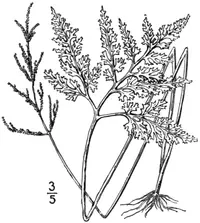
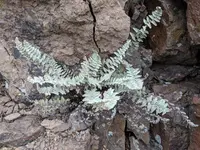
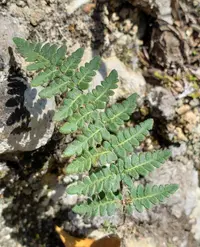
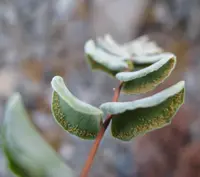
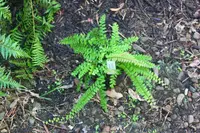
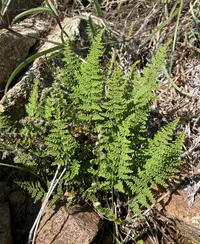
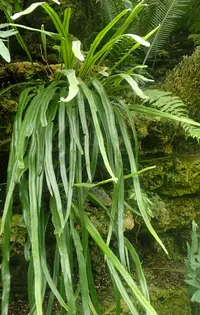
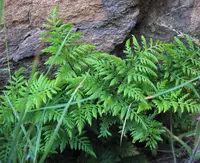
Dicksonia lanata, commonly called stumpy tree fern or tangle fern, is a compact, slow-growing tree fern from New Zealand forests and scrublands. It forms a short, thick trunk with a shaggy, fibrous surface. Dense, arching fronds emerge in a rounded crown, creating a low, textural mound rather than a tall tree-like shape. The plant often creeps slowly over time, forming clumps. This species prefers cool, moist, shaded conditions and protection from harsh wind and strong sun. Its need for consistent moisture and humidity makes it more suitable for experienced growers or attentive beginners who want to learn how to care for stumpy tree fern.

Main Plant Requirements

Care Difficulty

Moderate Care

Light Preference

Partial Shade

Water Requirements

Keep Soil Moist

Temperature Preference

Cool Climate

Hardiness Zone

8–10

Soil Texture

Loamy, Peaty, Organic-rich

Soil pH

Acidic (5.5–6.5), Slightly acidic (6.5–7.0)

Soil Drainage

Moist but well-drained

Fertilization

Minimal (feed rarely)

Get Personalized Care Plan

Scan your plant to receive care tips personalized for your specific plant

Available on iOS and Android

How to Care for the stumpy tree fern

Dicksonia lanata prefers cool, shaded woodland-type light rather than strong, open sun.

  • Provide bright, dappled or filtered light with 1–3 hours of gentle morning sun and full shade from harsh afternoon sun, especially in warmer regions.
  • Tolerates deep shade for much of the day, but fronds become sparse or elongated if light stays too low through spring and summer when growing stumpy tree fern outdoors.
  • In hot summers, increase shade or use overhead cover to prevent frond scorch and drying when sun intensity and day length peak.

Dicksonia lanata needs consistently moist conditions around both the root zone and the trunk crown.

  • Water whenever the top 2–3 cm of soil feel just barely dry, aiming for evenly moist but not saturated soil; mulch helps reduce surface drying.
  • Ensure soil drains freely; signs of overwatering include sour smell, blackened crown tissue, and limp fronds that collapse rather than crisp.
  • In hot or windy weather, water more often and wet the trunk to prevent drying, while in cool, wet seasons reduce watering to avoid standing water.

This fern prefers cool, mild conditions and tolerates brief cold better than prolonged heat.

  • Optimal growth occurs around 50–70°F (10–21°C), with steady moisture and protection from drying winds in all seasons.
  • Mature plants generally tolerate short dips to about 20–25°F (-6 to -4°C) if the crown and roots are well mulched and excess water is drained away.
  • Heat above 80°F (27°C), especially when dry and sunny, stresses plants; provide extra shade, higher humidity, and deep watering during hot spells.

This fern needs consistently high humidity to keep fronds healthy and prevent desiccation.

  • Aim for 60–80% humidity, as stumpy tree fern fronds dry and brown quickly in drier air.
  • Crisping tips, curled fronds, and slow unfurling of new growth indicate humidity stress.
  • Increase humidity with daily frond misting, grouping plants, and placing containers over pebble trays filled with water.

This species prefers deep, moist, humus-rich soil that stays aerated and never waterlogged.

  • Use a loose, organic-rich mix such as 50% composted bark and leaf mold, 30% peat-free compost, and 20% perlite.
  • Ensure free drainage with a coarse base layer and avoid compacted or heavy clay that holds stagnant water.
  • Keep pH slightly acidic to neutral, around 5.5–7.0, which supports nutrient uptake for Dicksonia lanata.
  • Improve aeration by incorporating chunky bark pieces and avoiding over-tamping when filling around the root ball.

This tree fern can be grown in containers if moisture and stability are carefully managed.

  • Select a tall, heavy pot that resists tipping as the trunk elongates and the frond canopy expands.
  • Choose thick-walled terracotta or concrete to moderate root temperature and reduce rapid drying in hot weather.
  • Raise the container on feet so drainage holes stay clear and excess water escapes quickly after deep watering.

Dicksonia lanata is a slow-growing fern that needs only light, occasional feeding to stay healthy in cultivation.

  • Use a mild, balanced liquid fertilizer at 1/4–1/2 strength every 4–6 weeks during spring–summer if growth is in containers or poor soil.
  • Apply a thin layer of well-rotted compost around the root zone instead of heavy chemical feeding when growing stumpy tree fern in the ground.
  • Stop feeding in late autumn and through winter to avoid forcing soft, cold-sensitive growth.
  • Water before and after applying fertilizer to limit root burn and help nutrients move evenly through the soil.

Pruning Dicksonia lanata is minimal and mainly focuses on removing old or damaged fronds to keep the plant tidy and healthy.

  • Cut brown, dead, or torn fronds at the base of the stem using clean, sharp pruners, ideally in late winter or early spring.
  • Leave the dense skirt of older, still-firm frond bases if extra insulation and habitat value are desired.
  • Remove only a few older fronds at a time to avoid stressing the crown and to preserve the plant’s natural form.
  • Disinfect tools before and after use to reduce the risk of spreading fungal or bacterial diseases.

Transplanting or potting on this tree fern should be infrequent and done carefully to avoid damaging its sensitive root system and trunk.

  • Check for roots circling the container, water running straight through, or stalled growth as signs a potted plant needs a larger space.
  • Plan any transplant or up-potting for early spring, so new roots establish as temperatures warm and moisture is reliable.
  • Expect container plants to need moving to a 2–5 cm wider pot only every several years, using a moisture-retentive, free-draining mix rich in organic matter.
  • Lift with the root ball intact, avoid knocking soil from the trunk base, and keep the root zone evenly moist and shaded for several weeks after moving.

Propagation of Dicksonia lanata is specialized and usually left to nurseries, as it relies mainly on spore production rather than simple division.

  • Collect mature spores from the undersides of fresh, brownish fertile fronds and sow them on sterile, fine, moist peat or fern mix.
  • Maintain very high humidity, gentle bottom warmth around 68–75°F, and bright, indirect light for even germination.
  • Cover trays with clear lids or plastic to keep the surface constantly moist, not waterlogged, until a green film of prothalli forms.
  • Allow tiny fern plants to reach several true fronds before pricking out gently into small pots, disturbing roots as little as possible.

This species is relatively cold tolerant but still benefits from simple winter protection in climates with hard frosts or drying winds.

  • Tolerates light frost, but sustained temperatures below about 20–25°F can damage the crown and young fronds.
  • Apply a 5–10 cm layer of organic mulch around the root zone in late autumn, keeping it slightly away from the trunk.
  • In colder areas, loosely wrap the crown with breathable fleece or burlap to insulate developing frond buds.
  • Move container-grown plants to a sheltered, frost-free, bright shade area and keep the root ball just moist, never saturated.

Care Tips

Protect Furry Trunk

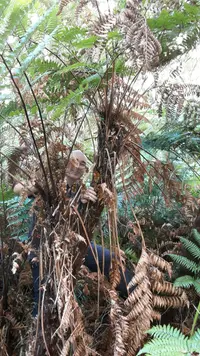
Install a low, breathable barrier of shade cloth or hessian around the trunk to protect the woolly caudex from drying winds and direct afternoon sun, especially in the first 1–2 years after planting.

Mulch For Cool Roots

Apply a 5–8 cm layer of fine bark or leaf mold over the root zone, keeping it just clear of the trunk, to keep roots cool and moist and to mimic the forest litter this species naturally grows in.

Gradual Site Acclimation

When relocating a plant from pot to ground or to a brighter site, shift it over 10–14 days by slowly increasing light and exposure to wind to reduce frond scorch and transplant shock.

Seasonal Frond Management

Remove only dead or badly damaged fronds at the base with clean, sharp tools, leaving a skirt of older but still-functional fronds in cooler or windy sites to insulate and stabilize the crown.

Wind And Slope Positioning

Plant on a slight slope or raised mound in areas with good air movement but not strong, drying winds so that excess water can drain from the crown while the fronds still benefit from humid air when growing stumpy tree fern.

Common Pests and Diseases

Scale insects

This pest sucks sap from the soft rachis and trunk fiber, leading to yellowing fronds and weak new growth. Symptoms include small, dome-shaped bumps on stems and the fibrous trunk, often with sticky honeydew on nearby surfaces.

Solution

Wipe or scrub colonies from frond stalks and trunk fiber with a soft brush or cloth dipped in diluted insecticidal soap, then rinse gently. For persistent infestations, repeat treatments every 7–10 days and improve air movement and light levels to support plant vigor while monitoring new fronds closely.

Soft fern aphids

These insects colonize young croziers (unfurling fronds) and undersides of fronds, causing distorted growth and sticky honeydew that can lead to sooty mold on the delicate foliage. This pest often appears when conditions are cool, moist, and sheltered, particularly in shade gardens and fern collections.

Solution

Spray affected fronds thoroughly with a fine jet of water to dislodge aphids, then follow with an application of insecticidal soap or a light horticultural oil, ensuring coverage of frond undersides. Remove heavily distorted or aphid-covered fronds to reduce populations and avoid overfertilizing with high-nitrogen products, which encourages soft, aphid-prone growth.

Sooty mold

This disease develops as a black, powdery coating on fronds growing beneath honeydew-producing insects such as scale or aphids. Symptoms include dark, soot-like films that reduce photosynthesis and can make fronds appear dirty or unhealthy without directly invading plant tissue.

Solution

Control the underlying sap-sucking insects first, then gently wipe or hose off affected fronds to remove the fungal growth. Improve air circulation around the fern and avoid overcrowding with other shade plants so fronds dry more quickly after rain or watering, which limits further fungal development.

Crown desiccation

This disorder occurs when the fibrous trunk and growing crown dry out, leading to browning, collapse of new croziers, and eventual loss of the central growth point. Symptoms include crisp, brown fibers around the crown and failure of fronds to unfurl properly after hot, windy, or very dry weather.

Solution

Keep the entire trunk and crown evenly moist by watering from above so water runs through the fibrous mass, especially during hot or windy periods. Apply a thick organic mulch around the base, use shade cloth in exposed sites, and maintain consistent soil moisture rather than heavy, infrequent soakings, which is central to Dicksonia lanata care instructions.

Frost scorch

This injury appears after sudden or severe frosts as bronzed, water-soaked, then crispy fronds, particularly on exposed specimens and recently planted trunks. Symptoms include extensive browning of frond tips and sides while the inner crown may remain alive but weakened.

Solution

Protect the crown and upper trunk during cold snaps with breathable frost cloth, hessian, or loose dry mulch such as straw, ensuring the material stays dry and not tightly wrapped. After frost events, wait until new growth starts in spring, then prune away dead fronds, maintain steady moisture, and avoid fertilizing heavily until strong new fronds are fully expanded.

Interesting Facts

Distinct woolly frond form

This species has unusually narrow, strongly divided fronds with a characteristic woolly texture, especially on young growth, giving it a shaggy appearance compared with other New Zealand tree ferns.

Ground-creeping trunk habit

Instead of forming a tall upright trunk, this fern often grows with a short, creeping trunk that hugs the ground or slopes, which helps it withstand wind exposure in its native habitats.

Preference for cool cloud forests

In the wild it is most often found in cool, high-rainfall forests and scrub, including cloud forest margins where frequent mist and low light levels dominate the microclimate.

FAQs about stumpy tree fern

Brown fronds usually come from low humidity, drying winds, or missed waterings that let the trunk core dry out. Old fronds also brown naturally with age. Trim dead fronds and restore steady moisture and shelter.

Grow Healthy Plants with Botan Care

Keep your plants happy and healthy with plant identification, disease detection, and easy care guidance.

Botan plant care app — identify plants on mobile

Explore More Plants