Bridges' cliffbrake Care (Hemionitis bridgesii)

Bridges' cliffbrake

About Bridges' cliffbrake

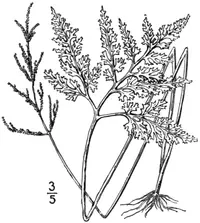
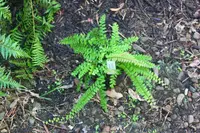
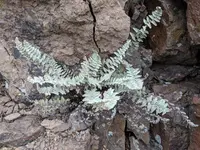
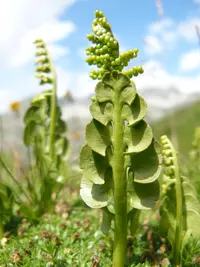
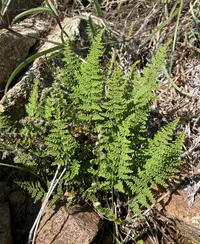
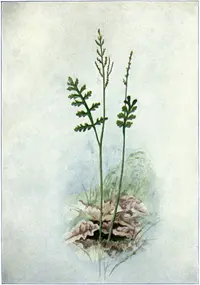
Bridges' cliffbrake (Hemionitis bridgesii) is a small, delicate fern native to rocky slopes and cliffs in parts of western North America. It typically forms sparse clumps that tuck into crevices and shallow pockets of soil. The fronds are narrow, often divided, and held on fine wiry stems, giving the plant a light, airy look rather than a lush fern appearance. This species has adapted to dry, exposed habitats, so it is more drought tolerant than many ferns but can be sensitive to overwatering and heavy, poorly drained soil. It suits growers who enjoy learning how to care for Bridges' cliffbrake in a way that mimics its rugged, well-drained natural sites.

Main Plant Requirements

Care Difficulty

Moderate Care

Light Preference

Partial Shade

Water Requirements

Keep Soil Moist

Temperature Preference

Tropical / Frost Sensitive

Hardiness Zone

11–12

Soil Texture

Loamy, Peaty, Organic-rich

Soil pH

Acidic (5.5–6.5)

Soil Drainage

Moist but well-drained

Fertilization

Light (every 4–6 weeks)

Get Personalized Care Plan

Scan your plant to receive care tips personalized for your specific plant

Available on iOS and Android

How to Care for the Bridges' cliffbrake

This fern prefers bright, filtered light that mimics dappled woodland shade.

  • Provide 3–5 hours of gentle morning sun or bright, indirect light under high, open shade; avoid harsh midday and afternoon sun that can scorch fronds.
  • Bridges' cliffbrake tolerates partial shade but growth slows and fronds may elongate or pale if light stays low for many weeks.
  • In summer, increase shade or use sheer screening; in winter, allow a bit more direct morning sun to compensate for shorter days.

Hemionitis bridgesii needs consistently moist but not waterlogged soil.

  • Water when the top 2–3 cm of soil or substrate feels just barely dry, aiming to keep the root zone evenly damp, not soggy.
  • Use a sharply draining mix and avoid standing water; yellowing, limp fronds often indicate overwatering and poor aeration around the roots.
  • In cooler months, reduce watering frequency as evaporation slows; crisping tips and dull, drooping fronds usually point to underwatering.

This fern favors mild, stable temperatures without sharp swings.

  • Aim for 60–75°F (16–24°C) for active growth; short exposures to 55°F (13°C) are usually tolerated but may slow new fronds.
  • Avoid frost entirely, as tissue damage occurs near 32°F (0°C); mulch or protect plants outdoors when nights trend toward the low 40s°F (5–7°C).
  • In hot weather above 85°F (29°C), provide extra shade and humidity; prolonged heat over 90°F (32°C) can stress fronds and reduce vigor.

This fern prefers consistently moist air and reacts quickly to dry conditions.

  • Aim for 60–80% humidity, as dry indoor air below 40% often causes frond tips to brown and curl.
  • Place the pot on a pebble tray with water or near a cool-mist humidifier to raise local humidity without soaking the soil.
  • Cluster Bridges' cliffbrake with other plants and keep it away from heating vents or strong drafts that lower humidity.

Hemionitis bridgesii prefers loose, moisture-retentive but fast-draining soil rich in organic matter.

  • Use a mix of 50–60% peat or coco coir, 20–30% fine bark, and 10–20% perlite to balance water retention and aeration.
  • Keep soil slightly acidic to neutral (pH 5.5–7.0), avoiding strongly alkaline substrates that can limit nutrient availability.
  • Improve drainage by avoiding heavy garden soil and by using coarse sand or fine pumice in outdoor mixes on slopes or in rock pockets.
  • Avoid compacted or waterlogged conditions, since roots need constant oxygen access to prevent rot and loss of delicate fronds.

This species adapts well to container growing when root space and drainage are managed carefully.

  • Choose a squat, wide container rather than a tall, narrow one to keep the shallow root system evenly moist without deep wet zones.
  • Use a relatively thick-walled ceramic or terracotta pot if conditions are bright and warm, as this moderates moisture swings in the mix.
  • Secure the pot on a stable, level surface or in a heavier cachepot so the arching fronds do not tip the container as they expand.

This fern benefits from light feeding but grows acceptably in modest, stable conditions, so fertilizer use should stay conservative for Bridges' cliffbrake.

  • Use a balanced liquid fertilizer (around 10-10-10) diluted to 1/4–1/2 strength for container-grown plants.
  • Feed every 4–6 weeks during spring and summer when growth is active, skipping applications if soil already appears rich.
  • Avoid fertilizing in late fall and winter, when growth slows and excess nutrients can stress roots.
  • Flush the pot with plain water every few months to prevent salt buildup from repeated feeding.

Pruning Hemionitis bridgesii is light and mainly hygienic, aimed at keeping fronds healthy and tidy.

  • Best time for pruning is late winter to early spring, just before new fronds emerge strongly.
  • Use clean, sharp scissors or small pruning shears to cut spent fronds at the base without damaging emerging growth.
  • Remove only dead, yellowed, damaged, or badly distorted fronds to maintain an open, graceful form.
  • Avoid heavy cutting, which can reduce photosynthetic area and slow recovery, especially on small or stressed plants.

This fern prefers stable conditions and only needs repotting when clearly root-bound or declining despite good care.

  • Check for roots circling the container, pushing through drainage holes, or water running straight through, which signal repotting need.
  • Plan to repot every 2–3 years in spring, when Hemionitis bridgesii is starting active growth and recovers fastest.
  • Move up just 1 pot size, using a loose, humus-rich, well-drained mix to limit waterlogging and root rot risk.
  • Gently loosen circling roots, keep the original root ball mostly intact, water thoroughly after potting, and keep in shaded, stable conditions for 1–2 weeks.

Propagation of Hemionitis bridgesii is possible but slower than many common ferns, so patience is necessary.

  • Division in spring is the most practical home method; choose a mature, dense clump with several healthy fronds.
  • Lift the plant gently, then separate the rhizome or crown into sections, each with roots and at least 2–3 fronds.
  • Replant divisions in small pots with moist, fine-textured mix, keeping humidity high and light bright but indirect.
  • Spore sowing is possible under sterile, consistently warm (68–75°F), humid conditions, but it is very slow and more technical.

Outdoor winter care depends on climate, as this fern is only moderately cold-tolerant and dislikes hard freezes.

  • In regions with frost, grow in containers so plants can be moved indoors to a cool, bright, frost-free room.
  • Maintain indoor temperatures around 55–65°F in winter, avoiding drafts, heating vents, and sudden temperature swings.
  • If briefly exposed outdoors, use a light mulch around the root zone to buffer soil temperature but keep fronds uncovered for airflow.

Care Tips

Protected pot placement

Place the pot inside a slightly larger cachepot or decorative container to shield the fine fronds from drafts and sudden air movement while still allowing water to drain freely from the grow pot.

Frond support strategy

Use low, semicircular wire hoops or small fern stakes to gently guide and support arching fronds so they do not kink or snap at the base when brushed or moved.

Gentle repot timing

Repot only when roots are circling the pot and do it in early spring, keeping the root ball as intact as possible because this species resents heavy disturbance of its fine roots.

Targeted pest monitoring

Inspect the undersides of fronds and the fuzzy stipes (fern stems) every 1–2 weeks with a hand lens so scale and spider mites are detected and treated early before fronds deform or dry out.

Moisture buffer setup

Stand the pot on an inverted saucer or mesh inside a larger watertight tray so any excess drained water stays below the root zone, creating a mild humidity buffer without letting the mix stay waterlogged, which is useful when growing Bridges' cliffbrake in dry indoor air.

Common Pests and Diseases

Scale insects

This pest feeds on fronds and stems, causing yellowing, stunted growth, and sticky honeydew that can lead to sooty mold on the delicate foliage.

Solution

Remove affected fronds if heavily infested, then gently wipe remaining fronds and stems with a cotton pad dipped in diluted insecticidal soap or horticultural oil, repeating every 7–10 days until no new insects appear and improving air movement around the plant to reduce reinfestation risk.

Spider mites

These insects thrive in warm, dry indoor air and cause fine stippling, dulling of the fronds, and delicate webbing between the thin, leathery leaf segments.

Solution

Rinse the entire plant under a gentle, lukewarm shower to dislodge mites, then increase humidity to 60–70% and apply a labeled miticidal soap or neem-based spray to both upper and lower leaf surfaces at 5–7 day intervals until new growth appears clean.

Fungal leaf spots

This disease produces small brown to black spots on fronds, often with yellow halos, which can merge and cause premature frond death in the finely divided foliage.

Solution

Prune and discard affected fronds, avoid wetting the leaves when watering, provide stronger air circulation, and if spotting continues, use a fern-safe fungicide according to label directions while monitoring new fronds for clean, unspotted growth as part of general Hemionitis bridgesii care.

Rhizoctonia crown rot

This disease attacks the crown and upper roots in consistently wet, poorly aerated mixes, leading to blackened crowns, frond collapse, and a musty odor at the soil surface.

Solution

Unpot the plant, trim out all dark, mushy tissue, dust healthy cut surfaces with a fungicidal powder if available, then repot into a fresh, airy, well-draining fern mix, keeping the crown just above the substrate and watering only when the top layer feels slightly dry while improving drainage and airflow.

Interesting Facts

Cliff crevice specialist

This fern typically grows in narrow rock crevices and cliff faces in its native Andean range, anchoring its roots into tiny pockets of moss and organic debris on almost bare rock.

Dimorphic fronds structure

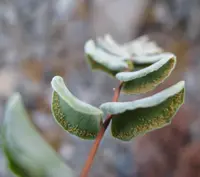
It produces two distinct frond types: sterile fronds that are broader and more heart-shaped, and fertile fronds that are narrower with the spore-bearing tissue concentrated along the undersides.

Hairy leaf surfaces

Its fronds are covered with fine hairs, especially on the undersides, which help reduce water loss and protect the delicate leaf surface in exposed rocky habitats.

FAQs about Bridges' cliffbrake

Browning fronds usually result from low humidity, excess fertilizer salts, or accumulated dry periods at the root zone. Check for crisp edges, flush the potting mix with water, trim damaged fronds, and improve ambient humidity and air circulation.

Grow Healthy Plants with Botan Care

Keep your plants happy and healthy with plant identification, disease detection, and easy care guidance.

Botan plant care app — identify plants on mobile

Explore More Plants