rough lipfern Care (Hemionitis horridula)

rough lipfern

About rough lipfern

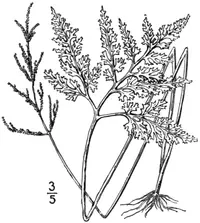
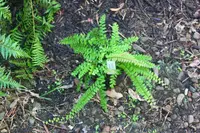
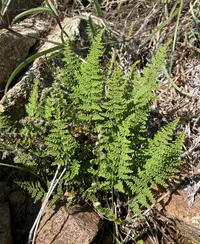
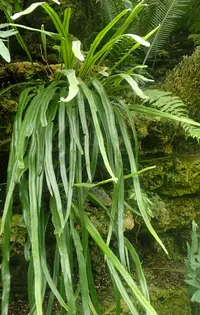
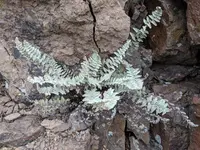
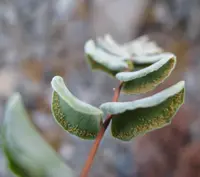
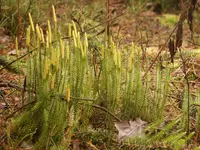
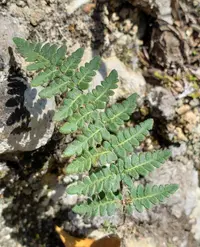
Rough lipfern (Hemionitis horridula) is a small, clumping fern known for its textured fronds and compact growth. It typically forms dense tufts that suit shaded, sheltered spots. Native to certain tropical and subtropical regions, it is usually found in humid, rocky habitats with good drainage. This background means it prefers consistent moisture, moderate humidity, and airy, organic-rich substrate. Hemionitis horridula can be moderately challenging, mainly because it reacts poorly to drying out or waterlogged conditions. Those who learn how to care for rough lipfern often focus on stable moisture, filtered light, and protection from temperature extremes.

Main Plant Requirements

Care Difficulty

Hard Care

Light Preference

Partial Shade

Water Requirements

Keep Soil Moist

Temperature Preference

Tropical / Frost Sensitive

Hardiness Zone

Unknown

Soil Texture

Loamy, Peaty, Organic-rich

Soil pH

Acidic (5.5–6.5)

Soil Drainage

Moist but well-drained

Fertilization

Light (every 4–6 weeks)

Get Personalized Care Plan

Scan your plant to receive care tips personalized for your specific plant

Available on iOS and Android

How to Care for the rough lipfern

This fern prefers soft, forest-like light rather than direct, open sun.

  • Provide 2–4 hours of gentle morning sun with bright, filtered light the rest of the day; avoid harsh midday or afternoon sun that can scorch fronds.
  • Grow rough lipfern in partial shade outdoors, such as north or east exposures, or under high, light tree canopy that breaks direct rays.
  • In summer, increase shade or distance from windows; in winter, move slightly closer to light sources if fronds become pale or sparse.

This species prefers steadily moist conditions without waterlogging the roots or rhizomes.

  • Water when the top 2–3 cm of soil feel barely dry, aiming for evenly moist but not saturated soil around Hemionitis horridula.
  • Use a loose, fast-draining mix and allow excess water to drain away fully to prevent root rot, limp fronds, or sour-smelling soil.
  • Reduce watering slightly in cooler months, watching for crisp, curling fronds as a sign of underwatering and blackened bases as a sign of overwatering.

This fern thrives in mild, stable temperatures that mimic cool, sheltered woodland conditions.

  • Aim for 60–75°F (16–24°C) for steady growth, avoiding rapid swings of more than 10°F (6°C) within a day whenever possible.
  • Protect from cold below 45°F (7°C), since light frost can damage fronds and prolonged exposure near freezing can kill the plant.
  • In hot spells above 82–86°F (28–30°C), increase shade, airflow, and humidity to reduce heat stress and prevent frond tip scorch.

This fern needs consistently high humidity to maintain healthy fronds and rhizomes.

  • Aim for 60–80% humidity; rough lipfern struggles in dry, centrally heated rooms.
  • Crisping tips, curled fronds, and stalled new growth indicate humidity stress rather than drought alone.
  • Use a pebble tray with water, group moisture-loving plants, or run a small humidifier near the plant to raise humidity.

This species prefers a loose, moisture-retentive but fast-draining mix similar to an epiphytic fern medium.

  • Use a mix of 40% fine pine bark, 30% peat or coco coir, and 30% perlite or pumice to balance moisture and air.
  • Aim for slightly acidic to neutral pH around 5.5–7.0, which supports nutrient availability for Hemionitis horridula.
  • Ensure the mix stays springy and well-aerated; avoid heavy garden soil or pure compost that compacts around roots.
  • Add extra bark or pumice if the potting mix stays wet longer than 3–4 days, to prevent root and rhizome rot.

This fern adapts well to container culture when moisture and aeration are carefully managed.

  • Select a wide, shallow pot to accommodate creeping rhizomes and prevent the mix from staying wet in deep layers.
  • Choose a breathable clay pot if the environment is humid, or plastic if conditions are dry and evaporation is rapid.
  • Stabilize lightweight pots with a heavier outer cachepot or topdressing of gravel to prevent tipping as fronds arch outward.

This fern benefits from light feeding but is sensitive to excess nutrients.

  • Use a balanced, dilute liquid fertilizer (around 10-10-10) at 1/4–1/2 strength on moist soil.
  • Apply every 4–6 weeks during active growth in spring and summer for healthy fronds.
  • Withhold fertilizer in fall and winter, when growth slows or pauses.
  • For rough lipfern indoor care, avoid rich composts or heavy slow-release pellets that can burn roots.

Pruning Hemionitis horridula focuses on hygiene rather than shaping.

  • Best time is late winter or early spring, before new fronds unfurl fully.
  • Remove dead, yellowing, or damaged fronds at the base using clean, sharp scissors.
  • Thin crowded or overlapping fronds to improve airflow and reduce fungal problems.
  • Light pruning helps maintain a compact, tidy clump without stressing the rhizomes.

This fern prefers stable conditions and only occasional repotting or transplanting.

  • Plan repotting every 2–3 years or when roots circle the pot and growth slows.
  • Choose early spring, just before new growth, to minimize stress and encourage recovery.
  • Shift to a pot only 2–3 cm wider, using airy, well-drained, humus-rich mix.
  • Water thoroughly, keep humidity high, and shade from strong light for 1–2 weeks afterward.

Propagation of Hemionitis horridula is possible but slow and better for patient growers.

  • Division in early spring is the most practical method, separating small rhizome sections with fronds attached.
  • Replant divisions into a fine, moist, well-drained mix and keep humidity 60–70%.
  • Maintain bright, indirect light and stable warmth around 68–75°F for rooting.
  • Spore propagation is possible but requires sterile conditions and takes many months.

This fern does not tolerate hard frost and needs thoughtful winter care in cool climates.

  • In regions below 40°F, grow Hemionitis horridula in containers and overwinter indoors.
  • Maintain indoor temperatures around 60–70°F with bright, indirect light and moderate humidity.
  • Reduce watering slightly in winter, keeping the mix barely moist, never soggy or bone-dry.
  • In mild climates, apply a light mulch around the root zone to buffer temperature swings.

Care Tips

Shaded Pot Placement

Place the pot inside a slightly larger cachepot with drainage holes and fill the gap with damp sphagnum moss to buffer roots from temperature swings and brief drying, which is helpful when growing rough lipfern in centrally heated homes.

Fine-Mist Hydration

Use a fine-mist sprayer directed under the fronds and around the substrate surface, not on top of the foliage, to rehydrate the upper soil layer without compacting the mix or encouraging foliar fungal spots.

Root-Zone Monitoring

Gently slide the plant partly out of its pot every few months to inspect rhizomes and roots for rot, desiccation, or girdling, and adjust watering or potting mix before problems become visible in the fronds.

Targeted Pest Checks

Inspect the undersides of fronds and the bases of petioles with a hand lens every 2–3 weeks so that scale, mites, or fungus gnats are caught early and can be treated with spot applications instead of broad spraying.

Gradual Environment Shifts

When moving the plant between locations or seasons, change one factor at a time over 7–10 days, such as light or airflow, to avoid stress responses like sudden frond drop or stalled new growth.

Common Pests and Diseases

Scale insects

This pest often hides along the midribs and undersides of the fronds, sucking sap and causing yellowing, stunted growth, and sticky honeydew on nearby surfaces.

Solution

Isolate the plant, then gently scrape or wipe insects off with a cotton swab dipped in 70% isopropyl alcohol and rinse the foliage with lukewarm water; repeat weekly until no new scale appears. Improve air movement, avoid overfertilizing soft new growth, and use a targeted horticultural oil spray labeled for ferns if the infestation persists, testing on a small frond first for sensitivity.

Mealybugs

These insects form white, cottony clusters at the base of fronds, in crown crevices, and on young rachises, leading to deformed fronds and sticky residue.

Solution

Remove visible clusters with cotton swabs dipped in 70% isopropyl alcohol and shower the plant gently to dislodge hidden insects. Inspect weekly, prune heavily infested fronds, and if needed apply a mild insecticidal soap solution safe for ferns, ensuring thorough coverage of crowns and undersides while protecting the potting mix from repeated saturation.

Fern aphids

This pest gathers on tender new fronds and rachises, causing curling, distortion, and a general decline in vigor, especially in warm, humid indoor setups.

Solution

Rinse the plant under a gentle stream of water to knock aphids off, then use an insecticidal soap or dilute neem-based spray suitable for ferns, focusing on new growth. Improve airflow and avoid excessive nitrogen fertilization, which encourages soft, aphid-prone tissue.

Rhizoctonia crown rot

This disease affects the dense crown and upper rhizomes in consistently wet, poorly ventilated conditions, leading to browning at the frond bases and collapse of whole fronds from the center outward.

Solution

Remove and discard all affected fronds and any soft, brown crown tissue, then repot into a fresh, well‑drained but moisture‑retentive mix in a pot with good drainage. Reduce watering frequency, keep the crown slightly above the soil line, increase airflow, and use a fungicide labeled for Rhizoctonia on ornamentals if decline continues despite cultural correction.

Leaf spot fungi

This disease produces small tan to dark brown spots on fronds, sometimes with a yellow halo, which can merge under prolonged leaf wetness and high humidity with poor air circulation.

Solution

Trim and discard heavily spotted fronds, water at the soil level, and allow fronds to dry between waterings by improving airflow and avoiding overhead misting directly on leaves. If new spots continue to form, apply a fern‑safe fungicide labeled for foliar leaf spots, treating both upper and lower surfaces while maintaining stable humidity rather than frequent wetting of the fronds.

Interesting Facts

High-Andean rock specialist

This species is native to high-elevation Andean regions, where it grows on rocky slopes and cliffs exposed to intense light, strong winds, and large day–night temperature swings.

Hairy, armored fronds

Its fronds and stipes (leaf stalks) are covered with stiff, bristly hairs that reduce herbivory and help protect the delicate leaf surface from mechanical damage in exposed habitats.

Microhabitat moisture trapping

Despite living in open, rocky sites, it often anchors into crevices and mossy pockets where accumulated organic matter and trapped moisture create a small, cooler microhabitat around its roots and rhizomes.

FAQs about rough lipfern

Brown fronds often result from low humidity, inconsistent watering, or excess fertilizer salts. Check that the root zone stays lightly moist, humidity is moderate, and fertilizer is diluted and infrequent. Trim dead tissue to prevent fungal issues.

Grow Healthy Plants with Botan Care

Keep your plants happy and healthy with plant identification, disease detection, and easy care guidance.

Botan plant care app — identify plants on mobile

Explore More Plants