Uruguayan Firecracker Plant Care (Dicliptera squarrosa)

Uruguayan Firecracker Plant

About Uruguayan Firecracker Plant

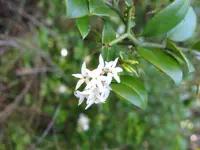
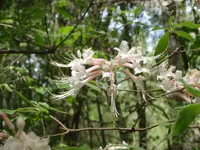
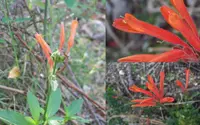
Uruguayan firecracker plant (Dicliptera squarrosa) is a small, shrubby perennial known for its bright tubular orange-red flowers that resemble tiny fireworks. It typically forms a compact, bushy mound with narrow green leaves and a long blooming season in warm conditions.

This species is native to parts of South America, including Uruguay and nearby regions, where it grows in sunny, open habitats. It is usually considered easy to moderate to grow, as it flowers freely but prefers consistent warmth and does not tolerate hard frost.

Gardeners who care for Uruguayan Firecracker Plant often value its reliable color and attraction for hummingbirds. It generally prefers full sun, well-drained soil, and regular but not excessive moisture.

Main Plant Requirements

Care Difficulty

Moderate Care

Light Preference

Full Sun

Water Requirements

Moderate Water

Temperature Preference

Tropical / Frost Sensitive

Hardiness Zone

9–11

Soil Texture

Sandy, Loamy, Organic-rich

Soil pH

Acidic (5.5–6.5), Slightly acidic (6.5–7.0)

Soil Drainage

Well-drained

Fertilization

Light (every 4–6 weeks)

Get Personalized Care Plan

Scan your plant to receive care tips personalized for your specific plant

Available on iOS and Android

How to Care for the Uruguayan Firecracker Plant

Dicliptera squarrosa thrives in bright outdoor light with some protection from harsh midday sun.

  • Provide 4–6 hours of direct sun daily, ideally morning sun with light afternoon shade, to support compact growth and abundant flowers.
  • Tolerates light or dappled shade for part of the day, but dense shade leads to weak stems and reduced blooming in the Uruguayan Firecracker Plant.
  • In hot summers, protect from intense sun between 12–4 pm to prevent leaf scorch; in cooler seasons, allow more direct sun to maintain vigor.

This shrub prefers evenly moist, well-drained soil that never stays soggy for long periods.

  • Water when the top 3–5 cm of soil feels dry, soaking the root zone thoroughly, then let excess drain away to prevent root rot.
  • In spring and summer, expect to water more often during active growth and heat; reduce frequency in cooler months as evaporation and plant demand drop.
  • Yellowing, soft leaves and a sour soil smell suggest overwatering, while wilting, crisp edges, and slow recovery after irrigation indicate Dicliptera squarrosa is too dry.

This species grows best in warm, frost-free conditions and reacts quickly to cold snaps.

  • Ideal growth occurs around 65–80°F (18–27°C), where foliage stays dense and flowering is most consistent.
  • Tolerates brief dips to about 35–40°F (2–4°C) but foliage may be damaged; prolonged exposure below freezing can kill stems or the whole plant.
  • Handles summer heat up to about 90–95°F (32–35°C) if soil moisture is maintained; in very hot spells, extra shade and water reduce stress and leaf scorch.

This species handles average indoor humidity but benefits from slightly raised moisture in very dry homes.

  • Target 40–60% humidity; Uruguayan Firecracker Plant usually tolerates brief dips lower without damage.
  • Crisping leaf tips, curled edges, and stalled growth during heated winters indicate humidity stress rather than underwatering.
  • Use a pebble tray or nearby humidifier instead of misting foliage, which adds little lasting humidity and can encourage leaf spotting.

Dicliptera squarrosa prefers loose, well-aerated soil that drains quickly yet holds moderate moisture.

  • Use a mix of 50–60% peat or coco coir, 20–30% compost, and 20–30% perlite or coarse sand for structure and drainage.
  • Aim for slightly acidic to neutral pH, roughly 6.0–7.0, which supports nutrient availability and root health.
  • Ensure the mix feels crumbly, not sticky; break up clods and avoid fine, compacted textures that restrict air around roots.
  • Avoid heavy clay, poorly drained sites, or pure sand; amend these with organic matter and mineral grit to balance moisture retention and flow.

This species is well-suited to container growing outdoors on patios or balconies.

  • Choose a wide, moderately deep pot to accommodate its spreading root system and reduce the risk of tipping in wind.
  • Select a sturdy, heavier container material if grown tall, so the plant mass does not make the pot unstable.
  • Elevate the pot on feet or bricks so drainage holes stay clear and water exits quickly after heavy rain or irrigation.

This sun-loving shrub from South America responds well to moderate feeding during its active season.

  • Apply a balanced liquid fertilizer (around 10-10-10 or 20-20-20) at 1/2 strength every 4–6 weeks in spring and summer.
  • Slow-release granules or a thin layer of mature compost can be used instead, worked lightly into the topsoil.
  • Stop feeding Uruguayan Firecracker Plant in late summer or early fall to allow growth to harden before winter.
  • Avoid fertilizing in winter when growth is minimal to reduce the risk of salt buildup and soft, weak shoots.

Thoughtful pruning keeps Dicliptera squarrosa compact, floriferous, and tidy.

  • Carry out main shaping in late winter or very early spring before new growth begins.
  • Remove dead, damaged, or crossing stems back to healthy tissue using clean, sharp hand pruners.
  • Lightly shorten lanky shoots after each main flush of flowers to encourage bushier side branching and more blooms.
  • Avoid cutting into very old, woody bases; focus on younger stems to maintain vigor and a balanced outline.

This species adapts well to both containers and garden beds when moved at the right time.

  • Repot or transplant every 2–3 years in early spring when roots circle the pot, drainage slows, or growth becomes stunted.
  • Choose a container 2–5 cm wider with drainage holes, using a free-draining mix such as peat-free potting soil with added perlite.
  • Water thoroughly 1–2 days before moving to ease root ball removal and reduce mechanical stress on fine roots.
  • After transplanting, firm soil gently, water well, then keep in bright, sheltered conditions for 7–10 days while roots re-establish.

New plants are most often raised from softwood or semi-ripe stem cuttings taken during the warm season.

  • Take 7–10 cm, non-flowering cuttings in late spring or summer, trimming just below a node and removing lower leaves.
  • Dip the cut end in rooting hormone and insert into a moist, free-draining mix of perlite and peat-free compost.
  • Maintain high humidity and bright, indirect light at 70–80°F using a propagator lid or clear plastic cover with vents.
  • For seed propagation, sow fresh seed on the surface of lightly firmed mix, keep just moist, and provide bottom warmth for even germination.

This plant prefers mild climates and benefits from extra protection in regions with freezing winters.

  • In USDA zones colder than 9, treat as a tender perennial or container plant and overwinter indoors in bright light.
  • Mulch the root zone with 5–8 cm of organic material in late fall to buffer soil temperature and conserve moisture.
  • If frost is expected, cover outdoor plants with breathable fabric, avoiding plastic in direct contact with foliage.
  • Move potted specimens to a frost-free area, watering sparingly while growth slows but not allowing the root ball to dry out completely.

Care Tips

Pinch For Bushiness

Regularly pinch back soft shoot tips in spring and early summer to encourage dense, branching growth and a heavier display of flowers rather than long, floppy stems.

Timed Hard Cutback

In mild-winter climates, schedule a hard cutback to 10–15 cm in late winter just before new growth starts, which refreshes the plant, removes tired wood, and synchronizes flowering for the coming season.

Seasonal Container Rotation

If grown in pots, rotate containers every 2–3 weeks during the growing season so all sides receive similar light, which keeps the plant evenly shaped and reduces bare, shaded sections.

Support In Windy Sites

In exposed gardens, insert low, discreet hoop stakes or small twiggy branches around the plant early in the season so new stems grow through them, providing support against wind without needing to tie individual stems later.

Monitor For Spider Mites

In hot, dry spells inspect the underside of leaves weekly for fine webbing or stippling, and if mites appear, hose foliage down thoroughly in the morning or use an appropriate insecticidal soap to protect flowering performance when growing Uruguayan Firecracker Plant.

Common Pests and Diseases

Spider mites

This pest thrives on Dicliptera foliage grown in hot, dry conditions, causing fine stippling, dulling of leaves, and fine webbing between stems and leaves.

Solution

Rinse stems and the undersides of leaves thoroughly with a strong but gentle stream of water, then increase ambient humidity and reduce heat stress; for persistent infestations, apply insecticidal soap or horticultural oil every 7–10 days, ensuring full coverage of leaf undersides.

Whiteflies

These insects often build up on the lush, tender growth and flower stems, sucking sap and leaving sticky honeydew that can lead to sooty mold on foliage.

Solution

Shake or tap stems to check for small white insects flying up, then use yellow sticky traps to monitor and reduce adults and treat the plant with insecticidal soap or neem oil, repeating applications until new growth appears clean and populations remain low.

Aphids

These insects cluster on young shoots, flower buds, and undersides of leaves, causing curling, distortion, and sticky honeydew deposits that may attract ants.

Solution

Prune off heavily infested shoot tips, wash remaining foliage with a firm water spray, and then treat tender growth with insecticidal soap, repeating weekly while monitoring new growth for signs of reinfestation; limit high nitrogen fertilization that encourages very soft, aphid-prone growth.

Powdery mildew

This disease appears as white, powdery patches on leaves and young stems, often during warm days with cool, humid nights, and can lead to yellowing and premature leaf drop.

Solution

Remove and discard affected leaves, then improve air circulation around the plant by spacing and pruning, avoid overhead watering in the evening, and, if needed, apply a sulfur or potassium bicarbonate fungicide labeled for ornamental plants, following the product directions closely as part of broader Dicliptera squarrosa care instructions.

Leaf spot

Symptoms include small brown or tan spots on leaves that may enlarge, merge, and cause partial defoliation in warm, humid conditions or where foliage stays wet for long periods.

Solution

Promptly remove and dispose of badly spotted leaves, water at the base to keep foliage dry, improve air movement around the plant, and if the problem persists over several weeks, use a copper-based fungicide during humid periods to protect new foliage from infection.

Interesting Facts

Hummingbird specialist shrub

The Uruguayan firecracker plant produces long, tubular orange to red flowers adapted to pollination by hummingbirds in its native range, offering nectar while the birds transfer pollen between blooms.

Winter-blooming display

In mild climates this species can flower through the cooler months, providing bright color and nectar when many other shrubs are dormant.

South American origin

This shrub is naturally distributed in parts of Uruguay, Argentina, Brazil, and Paraguay, where it often grows in sunny, open habitats with well-drained soils.

Botan icon

Did you know?

In some regions outside its native range, Dicliptera squarrosa has naturalized and is considered a garden escapee, showing how readily it can establish in suitable warm, open habitats when conditions resemble those of its South American home.

FAQs about Uruguayan Firecracker Plant

The tubular orange-red flowers produce ample nectar and are highly attractive to hummingbirds, butterflies, and many bee species. Planting several together creates a reliable nectar source and supports local pollinator populations throughout the warm season.

Grow Healthy Plants with Botan Care

Keep your plants happy and healthy with plant identification, disease detection, and easy care guidance.

Botan plant care app — identify plants on mobile

Explore More Plants