Tanacetum annuum Care

Tanacetum annuum

About Tanacetum annuum

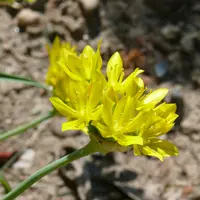
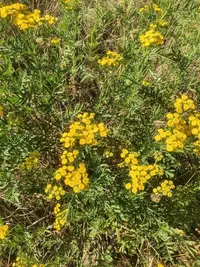
Tanacetum annuum is a aromatic, herbaceous perennial in the daisy family, grown mainly for its blue essential oil rather than ornamental display. It typically forms upright, branching stems with finely divided, fernlike foliage and small, button-like yellow flower heads.

In the wild, it occurs in Mediterranean-climate regions of northwestern Africa, especially Morocco, often in dry, open habitats. Its preference for sun, relatively poor soils, and moderate moisture makes it moderately easy to manage if drainage is good. Gardeners who care for Tanacetum annuum should note that it can be short-lived and may need regular replanting or reseeding.

Main Plant Requirements

Care Difficulty

Moderate Care

Light Preference

Full Sun

Water Requirements

Moderate Water

Temperature Preference

Warm Climate

Hardiness Zone

9–11

Soil Texture

Sandy, Loamy, Organic-rich

Soil pH

Acidic (5.5–6.5), Slightly acidic (6.5–7.0)

Soil Drainage

Well-drained

Fertilization

Light (every 4–6 weeks)

Get Personalized Care Plan

Scan your plant to receive care tips personalized for your specific plant

Available on iOS and Android

How to Care for the Tanacetum annuum

This sun-loving Mediterranean species performs best in open, bright positions with moderate protection from extreme heat.

  • Provide 6–8 hours of direct sun daily, with a preference for morning sun and light afternoon shade in hot, dry climates to prevent leaf scorch.
  • Plants tolerate light partial shade (around 3–4 hours of direct sun) but may grow taller, looser, and flower less if light is too low.
  • In summer, monitor for bleaching or crisped leaf edges as a sign of excessive sun; in fall and spring, slightly cooler, full sun promotes compact, dense Tanacetum annuum growth.

This plant prefers evenly moist but not saturated soil, especially during active growth and flowering.

  • Water when the top 3–5 cm of soil feels dry, applying a slow, deep soak so moisture reaches the root zone rather than frequent light sprinkling.
  • Use well-drained, sandy or loamy soil; persistent puddling, algae growth, or a sour smell around the roots signals overwatering and poor drainage.
  • In cool seasons reduce watering as growth slows; in heat, drooping foliage that recovers by evening suggests slight underwatering, while limp, yellowing leaves that stay soft point to excess moisture.

This species prefers mild, dry conditions and dislikes prolonged freezing or extreme, humid heat.

  • Aim for 60–75°F (16–24°C) for steady growth, with the strongest vegetative and flowering performance in the cooler end of this range.
  • Mature plants can tolerate brief drops to about 25–28°F (-4 to -2°C), but hard frost or repeated freezes damage foliage and may kill young specimens.
  • In hot summers above 90°F (32°C), flowering can slow; provide afternoon shade and avoid heat-reflecting surfaces to limit stress and leaf scorch, especially in exposed sites.

This species grows best in relatively dry air and does not need elevated humidity indoors or outdoors.

  • Aim for 30–50% humidity, similar to typical indoor conditions, without special humidification.
  • Dry indoor air is usually tolerated, but persistent wilting with moist soil can indicate combined heat and drought stress rather than humidity issues.
  • Improve comfort during extreme indoor heating by keeping the plant away from hot air vents and reflective surfaces that raise leaf temperature.

Tanacetum annuum prefers light, well-drained soil that stays slightly moist but never waterlogged.

  • Use a sandy or loamy mix, such as 2 parts peat-free potting mix, 1 part coarse sand, and 1 part perlite for structure and aeration.
  • Target a slightly acidic to neutral pH around 6.0–7.0, avoiding strongly acidic or alkaline soils that can limit nutrient uptake.
  • Ensure rapid drainage by avoiding compacted ground; incorporate coarse sand or fine grit if water lingers longer than a few hours after watering or rain.
  • Mulch lightly with fine gravel rather than heavy organic mulch to reduce evaporation without keeping the crown constantly damp, which raises rot risk.

This species is suitable for growing in containers on sunny patios or balconies.

  • Choose a pot at least 25–30 cm deep so the root system can anchor well and support the upright, branching stems in wind.
  • Select a relatively heavy material, such as clay or ceramic, to reduce tipping risk as the top growth becomes bushy.
  • Elevate the pot on feet or bricks so drainage holes stay clear and excess water escapes quickly after rain or irrigation, preventing root issues.

Light feeding supports flowering in Tanacetum annuum without causing weak, lush growth.

  • Use a balanced liquid fertilizer (around 10-10-10) at 1/2 strength every 4–6 weeks during the active growing season.
  • Alternatively, work a thin layer of well-rotted compost into the soil in spring to provide slow, gentle nutrition.
  • Avoid high-nitrogen products that encourage leafy growth at the expense of flowers and essential oil content.
  • Stop feeding in late summer to early fall so plants can harden off before winter dormancy.

Thoughtful pruning keeps Tanacetum annuum compact, healthy, and flowering well.

  • In late winter or early spring, remove dead, damaged, or weak stems with clean, sharp hand pruners.
  • After the main flush of blooms, deadhead spent flower stems to encourage a neater habit and possible repeat flowering.
  • Thin crowded interior stems to improve air flow and reduce fungal disease risk.
  • Lightly shape the plant by shortening overly long shoots, avoiding removal of more than 1/3 of total growth at one time.

This species is more often grown in beds than as a long-term container plant, so focus on transplanting young Tanacetum annuum starts.

  • Transplant in spring after frost risk has passed, when seedlings have several true leaves and handle disturbance better.
  • Signs a container plant needs shifting include roots emerging from drainage holes, circling the rootball, or noticeably slowed growth.
  • Move to a slightly larger pot or garden spot with well-drained soil, keeping the original soil level at the same height.
  • Water thoroughly after transplanting, shade from harsh sun for a few days, and maintain even moisture to limit root stress.

Gardeners commonly renew Tanacetum annuum through seeds and, less often, division.

  • Sow fresh seeds indoors in late winter or outdoors in spring, pressing them lightly into the surface as they need light to germinate.
  • Maintain 65–70°F and gently moist, well-drained seed mix until seedlings emerge, usually within 10–21 days.
  • Harden off indoor-raised seedlings gradually before planting them out to reduce transplant shock.
  • Mature clumps can be divided in early spring, replanting vigorous sections into prepared, free-draining soil.

In mild climates, Tanacetum annuum behaves as a short-lived perennial but benefits from simple winter precautions.

  • In regions with light frost, apply a 5–8 cm mulch layer around, not on, the crown to moderate soil temperature.
  • Cut back blackened or mushy stems after the first hard frost, leaving some stubble to mark plant locations.
  • In colder areas or for container plants, move pots to a sheltered, frost-free spot with good light and minimal watering.

Care Tips

Pinch For Bushiness

Pinch out 1–2 cm of soft shoot tips early in the season to encourage branching and a denser, more floriferous plant rather than a few tall, floppy stems.

Timed Deadheading

Shear off spent flower clusters promptly with clean scissors to extend the blooming window and reduce energy wasted on seed production.

Support Wind-Exposed Plants

In breezy or open sites, install low, discreet ring supports or soft twine between small stakes before stems reach 20–25 cm to prevent lodging and stem breakage.

Monitor Allelopathic Effects

Avoid planting directly next to sensitive herbs or young vegetable seedlings, and if growth seems suppressed in nearby plants, shift them at least 30–40 cm away from the root zone.

Targeted Pest Management

Regularly inspect undersides of leaves for mites or aphids and, at the first signs, use a directed spray of water or a horticultural soap rather than broad-spectrum insecticides, which preserves beneficial insects when caring for Tanacetum annuum.

Common Pests and Diseases

Powdery mildew

This disease often appears in warm, dry conditions with poor air circulation. Symptoms include white, powdery patches on leaves, stems, and flower stalks, followed by yellowing and reduced vigor.

Solution

Remove the most affected leaves and any plant debris around the base, then improve spacing and airflow so foliage dries quickly. If needed, apply a sulfur or potassium bicarbonate fungicide labeled for ornamentals, starting early in the infection and repeating as directed, and avoid overhead watering to support long-term Tanacetum annuum care instructions.

Botrytis blight

This disease develops in cool, humid weather and dense foliage. Symptoms include brown, water-soaked spots on leaves and flowers that turn into gray, fuzzy mold, especially on fading flower heads.

Solution

Cut off and discard all affected flower heads, stems, and leaves, and keep the planting area clean of dead material. Increase sun exposure and airflow where possible, water at soil level in the morning, and use a labeled fungicide for gray mold if the problem persists across seasons.

Aphids

These insects cluster on tender young stems, leaves, and flower buds, sucking sap and causing distortion, curling, and sticky honeydew deposits. This pest can also attract ants and encourage sooty mold growth on the honeydew.

Solution

Spray plants with a strong stream of water to dislodge colonies, focusing on shoot tips and the undersides of leaves. For ongoing infestations, use insecticidal soap or a light horticultural oil, applied thoroughly and repeated every 5–7 days until populations drop, while also controlling nearby weeds that can host aphids.

Leaf miners

These insects are the larvae of small flies that tunnel within leaf tissue. Symptoms include pale, winding trails or blotches on leaves that can reduce photosynthesis and make the plant look unattractive.

Solution

Remove and dispose of mined leaves as soon as damage is seen to reduce larval numbers and future adults. In larger infestations, consider using sticky traps for adult flies and, if needed, a systemic insecticide labeled for leaf miners, applied according to label directions and timed early in the season.

Tanacetum leaf spot

This disease causes small dark brown to black spots on leaves, often with a yellow halo, which can merge into larger dead patches. Symptoms include premature leaf drop in humid or wet conditions and denser plantings.

Solution

Prune out heavily spotted foliage and dispose of it in the trash, then water at soil level to keep leaves as dry as possible. Improve spacing, avoid overhead irrigation in the evening, and if outbreaks are severe or recurrent, use a copper- or chlorothalonil-based fungicide labeled for ornamental leaf spots, rotating products to reduce resistance risk.

Interesting Facts

Distinct blue essential oil

The essential oil distilled from its flower heads and upper leaves is naturally blue due to chamazulene, a compound formed from matricin during steam distillation at high temperatures.

Native Moroccan annual

This species is an aromatic annual herb native mainly to northern Morocco, where it grows in dry, open habitats and is often associated with disturbed, sunny sites.

Taxonomic confusion risk

Tanacetum annuum has often been confused with Tanacetum vulgare and other tansy species, which has led to mislabeling in horticulture and the essential oil trade and makes accurate identification important for reliable Tanacetum annuum care instructions.

Botan icon

Did you know?

Despite its common trade name blue tansy, the living plant has yellow flower heads and green foliage; the characteristic deep blue color appears only after distillation of its essential oil, not in the fresh plant tissues.

FAQs about Tanacetum annuum

The daisy-like flower heads provide nectar and pollen that attract bees, hoverflies, and some butterflies. Planting several clumps together increases visibility to pollinators and supports beneficial insects in mixed borders or herb gardens.

Grow Healthy Plants with Botan Care

Keep your plants happy and healthy with plant identification, disease detection, and easy care guidance.

Botan plant care app — identify plants on mobile

Explore More Plants