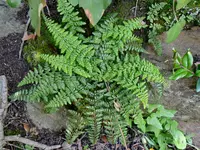
drooping forkedfern Care (Dicranopteris flexuosa)

Also known as: Net Fern
drooping forkedfern

About drooping forkedfern

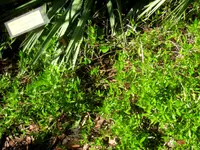
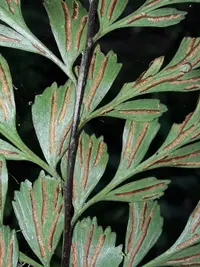
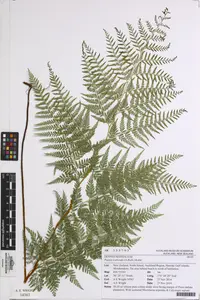
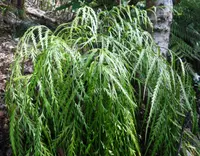
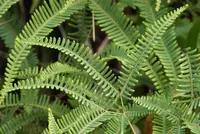
Drooping forkedfern (Dicranopteris flexuosa) is a scrambling, clumping fern that forms dense, low thickets with repeatedly forked, arching fronds. Its slender, wiry stems often layer over each other and can cover banks, open slopes, or disturbed ground.

This species occurs in tropical and subtropical regions, especially along roadsides, forest margins, and degraded sites where light is abundant. It is valued for erosion control but can spread aggressively in suitable climates.

Dicranopteris flexuosa prefers consistently moist, well-drained soils and bright, indirect light to light shade. In cultivation, understanding how to care for drooping forkedfern mainly involves managing its spreading habit and providing adequate humidity and moisture without waterlogging.

Main Plant Requirements

Care Difficulty

Moderate Care

Light Preference

Partial Shade

Water Requirements

Keep Soil Moist

Temperature Preference

Tropical / Frost Sensitive

Hardiness Zone

10–12

Soil Texture

Loamy, Sandy, Organic-rich

Soil pH

Acidic (5.5–6.5)

Soil Drainage

Moist but well-drained

Fertilization

Minimal (feed rarely)

Get Personalized Care Plan

Scan your plant to receive care tips personalized for your specific plant

Available on iOS and Android

How to Care for the drooping forkedfern

This fern thrives in bright, filtered light that mimics a forest edge or open woodland.

  • Provide 3–5 hours of gentle morning sun with dappled or filtered light for the rest of the day; avoid harsh, direct midday sun that can scorch fronds.
  • Site drooping forkedfern in partial shade; under taller plants or light tree cover works well, especially in warmer regions.
  • In summer, increase shade during hot afternoons; in winter, allow a bit more direct morning light if sun angles are low and temperatures are mild.

Dicranopteris flexuosa prefers consistently moist, never waterlogged soil.

  • Water when the top 1–2 cm of soil or surface layer feels just barely dry, aiming to keep the root zone evenly damp.
  • Improve drainage with loose, organic-rich soil so excess water drains away, reducing the risk of root rot and sour smell from anaerobic (low-oxygen) conditions.
  • In hot, dry periods, expect to water more often; crispy, browning frond tips indicate underwatering, while yellowing, limp fronds suggest overwatering.

This species favors warm, frost-free conditions similar to lowland or mid-elevation tropics.

  • Aim for 65–80°F (18–27°C) for steady growth; short spikes to 85°F (29°C) are tolerated if soil moisture and shade are adequate.
  • Protect from cold below 50°F (10°C); damage often appears if exposed to 40–45°F (4–7°C), especially with wind or wet soil.
  • Avoid frost entirely, as freezing kills fronds and may damage rhizomes; in very hot spells above 90°F (32°C), increase shade and soil moisture to prevent stress.

This fern prefers consistently moist air and reacts quickly to dry conditions.

  • Aim for 60–80% humidity, as dry central heating air often drops below this range.
  • Crisping tips, pale fronds, and stalled unfurling indicate humidity stress in drooping forkedfern.
  • Increase humidity with daily misting of frond undersides, grouped plants on pebble trays, or a nearby humidifier.

This species grows best in loose, moist, highly organic soil that drains freely but never dries out completely.

  • Use a mix of 50–60% peat or coco coir, 20–30% fine compost, and 20–30% perlite or fine bark to mimic Dicranopteris flexuosa’s forest floor habitat.
  • Aim for slightly acidic conditions around pH 5.5–6.5 to support nutrient availability and root health.
  • Ensure the mix is friable, meaning it crumbles easily, to keep roots aerated while still holding moisture evenly.
  • Avoid heavy clay, compacted mixes, or pure sand, which either suffocate roots or let water run through too quickly.

This fern can be grown in containers outdoors where temperatures stay mild year-round.

  • Choose a wide, shallow pot to accommodate its spreading rhizomes and prevent the root zone from staying waterlogged at depth.
  • Select a heavier material such as ceramic or clay to stabilize the plant as fronds become long and wind-catching.
  • Raise the container slightly on pot feet so excess water clears drainage holes quickly after rain or irrigation.

This fern grows in relatively poor soils and usually needs only light feeding in cultivation.

  • Use a balanced liquid fertilizer (for example 10-10-10) at 1/4–1/2 strength during active growth in spring–summer.
  • Apply every 4–6 weeks if growth appears weak or foliage pale; skip if planted in rich, organic soil.
  • In containers, a small amount of slow-release fertilizer or thin compost layer can support drooping forkedfern.
  • Stop feeding in fall–winter so new growth does not emerge when light and temperatures are low.

Pruning Dicranopteris flexuosa is mainly hygienic, helping maintain a tidy clump and healthy fronds.

  • Best time is late winter or early spring before vigorous new fronds unfurl.
  • Remove dead, yellowing, or damaged fronds at the base with clean, sharp scissors or pruners.
  • Thin out overcrowded or crossing fronds to improve air movement and reduce fungal problems.
  • Avoid hard cutting into woody bases; light, repeated clean-up pruning maintains a natural, arching form.

This fern spreads by rhizomes and is more often transplanted outdoors than repotted indoors.

  • Transplant when the clump outgrows its space, growth slows, or roots circle inside a container drainage area.
  • Best timing is in spring, when new growth begins and soil temperatures are rising.
  • Expect to repot or divide container-grown plants every 2–3 years to refresh substrate and manage spread.
  • Lift the root mass gently, keep rhizomes shaded and moist, replant at the same depth, and water thoroughly to limit transplant shock.

Propagation of Dicranopteris flexuosa is usually done by division rather than by spores in home settings.

  • Divide established clumps in spring when new fronds start emerging and soil is evenly moist.
  • Use a clean, sharp knife or spade to separate sections with several fronds and healthy rhizomes.
  • Replant divisions into humus-rich, well-drained, slightly acidic substrate, keeping rhizomes just below the surface.
  • Maintain high humidity, consistent moisture, and bright, indirect light until new fronds show firm, established growth.

This fern is frost-sensitive and needs protection in regions with cold winters, especially in containers.

  • In mild climates, add a 5–8 cm mulch layer around the root zone to buffer short cool spells.
  • Where frost occurs, grow Dicranopteris flexuosa in pots and move indoors or into a frost-free greenhouse.
  • Indoors, keep temperatures above 55°F, with bright, indirect light and slightly reduced watering in winter.

Care Tips

Manage Spreading Rhizomes

Install a shallow plastic or metal edging 10–15 cm deep around beds to limit the running rhizomes and keep this fern from overtaking neighboring plants.

Use Groundcover Layers

Combine the plant with slightly taller, clumping ferns or shrubs so the upright stems are visually supported and less likely to lodge or collapse in exposed sites.

Stabilize On Slopes

On banks or terraces, plant in staggered rows and lightly pin young rhizomes with biodegradable landscape pins to help the colony anchor soil and resist erosion as it spreads.

Allow Frond Turnover

Leave older, browning fronds in place until they are fully dry, then remove them at the base so nutrients have time to relocate into new growth while keeping the stand tidy.

Monitor Colony Edges

Walk the perimeter of the patch 2–3 times per year and slice back or lift any rhizomes crossing paths, driveways, or planting borders to keep growing drooping forkedfern confined to its intended area.

Common Pests and Diseases

Scale insects

This pest attaches to stems and frond midribs, feeding on sap and causing yellowing, stunted growth, and sticky honeydew on the foliage. Symptoms include small, dome-shaped bumps that do not move when touched.

Solution

Prune and discard heavily infested fronds, then wipe remaining stems and rachises with a cloth dipped in diluted insecticidal soap or horticultural oil, repeating every 7–10 days until no new scales appear. Improve light and air movement around the fern to reduce reinfestation and monitor regularly for early clusters along young stems.

Fern aphids

These insects cluster on tender fiddleheads and young fronds, sucking sap and causing leaf distortion, puckering, and pale patches. Sticky honeydew may encourage sooty mold on older fronds near the ground layer.

Solution

Rinse colonies off with a firm stream of water, focusing on undersides of young fronds, then follow with a targeted spray of insecticidal soap to remaining hotspots. Limit high-nitrogen fertilization that encourages very soft new growth and maintain good spacing so natural predators can access the plant in outdoor sites where you grow Dicranopteris flexuosa.

Rhizoctonia leaf blight

This disease produces irregular brown patches that start at frond bases or where fronds touch wet soil or litter, often with a water-soaked margin. In humid conditions, fine web-like fungal growth can appear between crowded fronds near the soil surface.

Solution

Remove and discard affected fronds, then reduce leaf wetness by watering at soil level and avoiding overhead irrigation late in the day. Improve drainage and airflow through thinning dense clumps, and in persistent cases apply a labeled fungicide containing azoxystrobin or chlorothalonil according to local regulations and product directions.

Sclerotial wilt and dieback

This disease starts as sudden wilting and browning of individual fronds, often on plants growing in compacted, poorly drained soil. Symptoms include tan to dark brown lesions at the frond base and hard, seed-like fungal bodies in decaying tissue at soil level.

Solution

Cut out and remove affected fronds along with any visibly discolored basal tissue, then loosen the soil, improve drainage, and avoid chronic overwatering. For landscape plantings, lift and discard severely affected clumps and replant only into well-drained, aerated sites, rotating away from previous infection zones when possible.

Interesting Facts

Pioneer on bare slopes

This fern is a classic pioneer species on disturbed tropical hillsides and road cuts, quickly colonizing poor, acidic soils where few vascular plants can establish.

Tangled climbing habit

Its long, forked fronds form dense, intertwined thickets that can sprawl over shrubs and small trees, creating almost impenetrable vegetation layers in lowland and montane habitats.

Fire and regrowth resilience

In some tropical regions it recovers rapidly after fire or clearing, resprouting from surviving rhizomes and stabilizing the soil while slower forest species return.

Botan icon

Did you know?

In parts of its range, this fern’s dense, mat-forming growth can strongly reduce tree seedling establishment, so it is sometimes managed as a competitive understory species in forestry and restoration projects.

FAQs about drooping forkedfern

This species spreads by long, running rhizomes and can form dense thickets in suitable climates. In mild, wet regions it may become difficult to control, so use physical edging and regular removal of unwanted runners.

Grow Healthy Plants with Botan Care

Keep your plants happy and healthy with plant identification, disease detection, and easy care guidance.

Botan plant care app — identify plants on mobile

Explore More Plants