Hard fern Care (Paesia scaberula)

Also known as: Lace fern, ring fern, Pig fern
Hard fern

About Hard fern

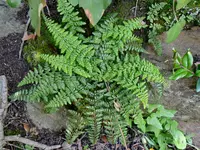
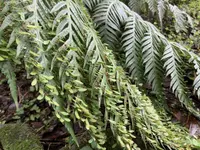
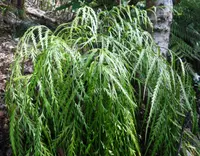
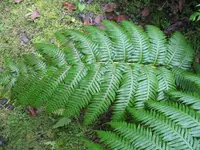
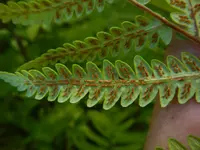
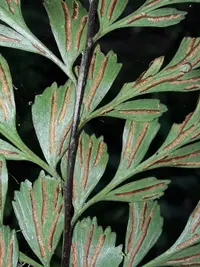
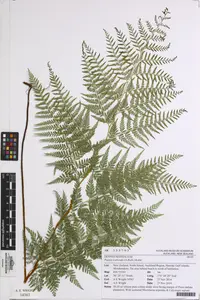
Hard fern, Paesia scaberula, is a fine-textured fern native to New Zealand, often found in open forest, scrub, and damp hillside habitats. It forms low, spreading clumps with delicate, lacy fronds that can create a soft, ferny groundcover.

This species tends to be more sun- and wind-tolerant than many woodland ferns, but still prefers cool, moist, and well-drained conditions. It suits gardeners who can provide steady moisture and do not expect a drought-proof plant.

For those who want to care for Hard fern successfully, it helps to mimic its natural cool, humid environment with light, free-draining soil and protection from extreme heat.

Main Plant Requirements

Care Difficulty

Moderate Care

Light Preference

Partial Shade

Water Requirements

Keep Soil Moist

Temperature Preference

Cool Climate

Hardiness Zone

7–10

Soil Texture

Loamy, Peaty, Organic-rich

Soil pH

Acidic (5.5–6.5)

Soil Drainage

Moist but well-drained

Fertilization

Minimal (feed rarely)

Get Personalized Care Plan

Scan your plant to receive care tips personalized for your specific plant

Available on iOS and Android

How to Care for the Hard fern

This fern prefers soft, forest-like light rather than strong, open sun.

  • Provide 2–4 hours of gentle morning sun with bright, filtered light the rest of the day, such as under high tree canopy or light shade cloth.
  • Aim for partial shade: dappled light or bright shade is ideal, while more than 2 hours of harsh afternoon sun can scorch fronds and cause bleaching.
  • In summer, shift plantings or add shade to reduce intense midday sun; in winter, allow slightly more open exposure to maintain vigorous Hard fern growth.

This species prefers evenly moist, cool soil without becoming waterlogged.

  • Keep soil consistently damp, allowing only the top 2–3 cm to lose surface moisture before the next watering, especially during active spring–summer growth.
  • Use humus-rich, well-drained soil so excess water can escape; soggy conditions cause blackened, limp fronds and a sour smell from the root zone.
  • Reduce watering slightly in autumn–winter, but never let the root zone fully dry; crisping frond tips and light, shrinking soil indicate underwatering in Paesia scaberula.

This fern is adapted to mild, temperate conditions with cool roots and moderate air temperatures.

  • Optimal growth occurs at 55–70°F (13–21°C), especially in sheltered, moist sites such as woodland edges or shaded banks.
  • It tolerates brief drops to about 25°F (-4°C) once established but young plants are more sensitive and benefit from leaf mulch in cold snaps.
  • Prolonged heat above 82°F (28°C), especially with dry air, can stress fronds, so provide extra shade, mulch, and soil moisture during hot, dry periods.

This fern prefers consistently moist air and benefits from elevated humidity.

  • Aim for 50–70% humidity, as Hard fern struggles in very dry, centrally heated rooms.
  • Crisping frond tips, pale new growth, and stalled unfurling indicate humidity stress rather than underwatering.
  • Increase humidity with a pebble tray under the pot, grouped plants, or a cool-mist humidifier rather than frequent misting.

This fern grows best in a light, humus-rich substrate that stays evenly moist yet drains freely.

  • Use a mix of roughly 50% peat-free compost, 25% fine bark, and 25% perlite or pumice for structure and air spaces.
  • Aim for slightly acidic to neutral pH around 5.5–7.0, avoiding liming materials that push pH higher.
  • Ensure rapid drainage by using a pot with large holes and filling the bottom with coarse material, not fine compacting grit.
  • Avoid heavy clay, pure garden soil, or mixes that stay waterlogged, which cause root and rhizome rot in Paesia scaberula.

This species can be grown in containers if moisture and drainage are carefully controlled.

  • Select a wide, shallow pot to accommodate its spreading rhizomes and prevent the medium from becoming a cold, wet column.
  • Choose plastic or glazed ceramic over bare terracotta if the site is breezy, to slow excessive moisture loss from the mix.
  • Place the container on a stable, level surface because the fern’s spreading top growth can make tall, narrow pots prone to tipping in wind.

This fern prefers lean, humus-rich soils and only light feeding in cultivation.

  • Apply a mild, balanced liquid fertilizer at 1/4–1/2 strength every 4–6 weeks during spring–summer active growth.
  • Use an organic option such as diluted fish emulsion or fine compost extract rather than high-salt synthetic products.
  • Skip feeding Hard fern in fall–winter to avoid soft, weak fronds and nutrient buildup.
  • Flush the pot with plain water occasionally to reduce excess salts if using liquid fertilizers.

Paesia scaberula benefits from light, periodic tidying rather than structural pruning.

  • Cut off dead, yellowing, or diseased fronds at the base whenever noticed, using clean, sharp scissors or snips.
  • Thin crowded or overlapping fronds in late winter or early spring to improve air movement and reduce fungal issues.
  • Avoid cutting into underground rhizomes; focus only on above-ground fronds to preserve the plant’s natural form.
  • Remove old fronds after new growth emerges to maintain a neat, fresh-looking clump.

This fern is more often grown in the ground, but container plants or nursery stock may need occasional transplanting.

  • Look for roots circling the pot, slow growth, or quick drying soil as signs it needs a larger container or in-ground planting.
  • Transplant in early spring or early fall, when temperatures are mild and soil moisture is stable.
  • Aim to transplant every 2–3 years at most, choosing a slightly larger pot or a sheltered, moist garden site.
  • Slide the root ball out gently, keep rhizomes intact, replant at the same depth, then water thoroughly and shade for 1–2 weeks.

Paesia scaberula is usually propagated by division rather than from spores or seed for home growers.

  • Divide established clumps in early spring as new croziers (unfurling fronds) appear, when soil is moist but not waterlogged.
  • Lift the plant carefully, then separate rhizome sections with several healthy buds and roots using a clean knife.
  • Replant divisions immediately into humus-rich, well-drained soil and water thoroughly to settle soil around roots.
  • Keep new divisions evenly moist in bright, indirect light and shelter from strong wind until vigorous new fronds develop.

This fern is reasonably cold hardy in many mild, temperate climates and usually needs only modest winter care.

  • Tolerates light frosts, but prolonged freezes below about 20°F can damage fronds and shallow rhizomes.
  • Apply a 5–8 cm mulch layer of leaf litter or bark over the root zone in late fall, keeping crowns just exposed.
  • In colder regions, grow Paesia scaberula in containers and move to a cool, frost-free, bright shelter over winter.

Care Tips

Shaded groundcover use

Plant in a broad, shallow drift under trees or shrubs so the creeping rhizomes can form a loose groundcover, which helps suppress weeds and maintain stable soil moisture around the fern.

Rhizome division timing

Divide established clumps in late winter to early spring while fronds are minimal, lifting sections with a sharp spade and replanting rhizomes at the same depth to expand a colony or rejuvenate older, congested patches.

Leaf-litter mulch layer

Use a thin layer of shredded leaf litter or fine bark as mulch rather than heavy wood chips, which mimics the fern’s natural forest floor habitat and allows new fronds to emerge without physical damage.

Wind-shelter placement

Site the plant where taller shrubs or a low windbreak protect it from strong, drying winds that can shred the delicate fronds and increase transpiration stress.

Slugs and snails patrol

Inspect young fronds regularly at dusk for slugs and snails and hand-pick or use low-toxicity traps around the planting area, since tender new growth is especially attractive and damage can quickly disfigure the plant when growing Hard fern.

Common Pests and Diseases

Scale insects

This pest attaches to fronds and stems, sucking sap and causing yellowing, stunting, and a general decline in vigor. Symptoms include small dome-shaped bumps and sticky honeydew on the fronds or nearby surfaces.

Solution

Remove light infestations by gently scraping or wiping fronds with a cotton pad dipped in diluted alcohol or insecticidal soap, taking care not to damage the thin leaf tissue. For persistent populations on outdoor plantings, use repeated applications of horticultural oil and reduce plant stress by keeping soil evenly moist and maintaining good shade and humidity as part of Paesia scaberula plant care.

Soft fern scale

This pest is a specific type of scale that favors ferns, forming flat, soft brown patches along frond midribs and undersides. Symptoms include patchy yellowing, weakened growth, and black sooty mold developing on honeydew deposits.

Solution

Prune and dispose of heavily infested fronds, then treat remaining foliage with a gentle horticultural oil spray, ensuring good coverage of undersides. Improve air circulation around the plant and monitor new fronds regularly, wiping off early infestations before they spread across the colony.

Aphids

These insects cluster on soft new fronds and rachises, feeding on sap and causing distortion, curling, and a sticky residue. This pest can also encourage sooty mold growth on the honeydew they excrete.

Solution

Wash fronds thoroughly with a gentle stream of water to dislodge colonies, repeating as needed during active growth. If populations persist, apply insecticidal soap to both sides of the fronds and avoid excess nitrogen fertilizer, which encourages flushes of tender growth that aphids prefer.

Leaf spot

This disease causes small brown or black spots on fronds that may merge into larger irregular patches, especially in damp, shaded conditions with poor airflow. Symptoms include premature browning and dieback of affected fronds from the tips inward.

Solution

Remove and discard affected fronds to reduce spore spread, and avoid overhead watering so fronds dry quickly. Increase air movement, space plants so fronds do not overlap excessively, and if needed use a labeled fungicide suitable for ferns during prolonged wet periods.

Crown blight

This disease starts at the dense crown where fronds emerge, leading to browning and collapse of young fronds and a thinning clump. Symptoms include a soft, decaying crown base, often after prolonged soil saturation or heavy mulch against the plant center.

Solution

Cut out and discard all soft, rotting tissue and any dead fronds, then allow the crown to dry slightly by improving drainage and reducing irrigation. Avoid piling mulch against the crown, water at soil level rather than over the fronds, and in severe outdoor cases consider replanting divisions into a better-drained site with similar shade and moisture levels.

Interesting Facts

New Zealand endemic fern

This fern is naturally found only in New Zealand, where it grows from lowland to montane habitats, especially in open, disturbed sites and along forest margins.

Distinctive harsh texture

The species name scaberula refers to its rough or harsh leaf texture, caused by tiny surface structures on the fronds that give them a slightly abrasive feel compared with many softer fern species.

Patch-forming colonizer

Paesia scaberula often forms extensive patches through its creeping rhizomes, allowing it to rapidly colonize slips, road cuttings, and recently disturbed ground, where it can act as an early-stage ground cover.

Botan icon

Did you know?

In some parts of New Zealand, dense stands of Paesia scaberula have been noted to influence regeneration patterns by shading and physically hindering the establishment of tree seedlings, subtly shaping the composition and pace of native forest recovery after disturbance.

FAQs about Hard fern

This species can spread steadily by creeping rhizomes and spores, forming loose colonies over time. In garden settings it is usually manageable, but in mild, moist climates it may slowly occupy open ground if not monitored.

Grow Healthy Plants with Botan Care

Keep your plants happy and healthy with plant identification, disease detection, and easy care guidance.

Botan plant care app — identify plants on mobile

Explore More Plants