Use acidic substrate
Spread this moss on a thin layer of long-fiber sphagnum, fine pine bark, or rotting conifer wood to mimic its natural acidic, low-nutrient habitat and improve anchoring.

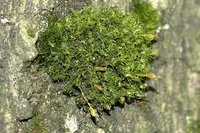
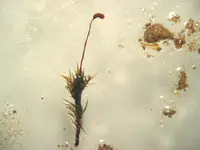
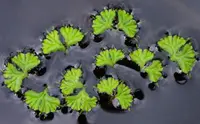
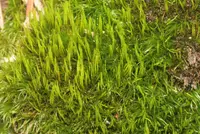
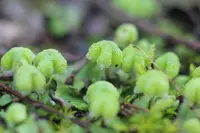
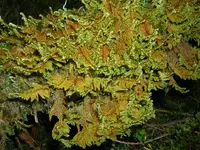
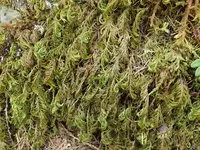
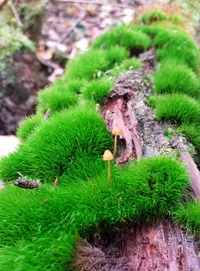
Dicranoweisia cirrata is a small, tuft-forming moss often found as dense, green to yellowish cushions on bark, old wood, rocks, and compact soil. It forms upright, fine shoots that create a soft, textured carpet rather than a trailing mat.
This moss is common in temperate regions, especially in mildly disturbed or urban habitats where moisture is available but not constant. It is relatively adaptable and can tolerate some dryness and air pollution, which makes it easier to keep in simple moss displays or terrariums.
Light shade, steady moisture, and a stable, neutral to slightly acidic surface support healthy growth and make it simpler to care for dicranoweisia moss.

Care Difficulty
Moderate Care

Light Preference
Partial Shade

Water Requirements
Regular Water

Temperature Preference
Cold Hardy

Hardiness Zone
3–8

Soil Texture
Rocky, Organic-rich

Soil pH
Strongly acidic (4.5–5.5), Acidic (5.5–6.5)

Soil Drainage
Moist but well-drained

Fertilization
Minimal (feed rarely)
Scan your plant to receive care tips personalized for your specific plant
Available on iOS and Android
This moss prefers cool, consistently moist locations with gentle, indirect light.
This species needs consistently moist but not waterlogged conditions.
This moss is adapted to cool to mild climates and tolerates moderate seasonal variation.
This moss prefers consistently moist air but adapts to a range of humidity levels.
This species thrives on thin, well-aerated, rocky or bark-like substrates rather than dense potting soil.
This moss is suitable for shallow containers, trays, and terrariums when moisture and drainage are controlled carefully.
This moss grows on nutrient-poor substrates and usually needs no added fertilizer for healthy development.
Dicranoweisia cirrata needs only minimal pruning, focused on cleanliness rather than shaping.
In cultivation, this species is usually grown on rocks, bark, or shallow trays, so transplanting is rare and should stay gentle.
This moss is typically spread by division of small clumps rather than by spores in home culture.
Outdoor Dicranoweisia cirrata in temperate climates is cold hardy and usually needs no special winter care.

Plant Health Check
Not sure what's wrong with your plant? Check your plant's health inside the app.
This moss is especially common on acidic, nutrient-poor bark and decaying wood, where it is often among the first bryophytes to colonize newly available surfaces in conifer and birch forests.
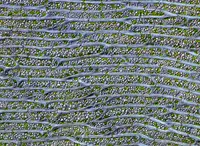
Its narrow leaves end in long, hair-like tips that twist together when dry, giving cushions a crisp, wiry look that helps reduce water loss between wetting events.
The species is widespread on trees, roofs, and old wood in towns and cities across Europe and introduced regions, indicating a relatively high tolerance of atmospheric pollution compared with many more sensitive mosses.

In parts of Europe, this species is used as a bioindicator in bryophyte surveys because its frequent occurrence on acidic tree bark and dead wood helps characterize specific woodland and urban microhabitats without the need for complex chemical testing.
Growth is slow to moderate. In suitable moist, cool conditions, new patches usually extend a few millimeters to about 1 cm per year. Disturbance, drying winds, or compacted substrates slow growth noticeably, while consistently damp, stable surfaces speed it up.
Keep your plants happy and healthy with plant identification, disease detection, and easy care guidance.