Anchor On Substrate
Press small tufts firmly onto rough, stable surfaces like aged bark, lava rock, or textured stone so the rhizoids can grip, and lightly pin with U-shaped wire or fine mesh for 2–4 weeks until they self-attach.

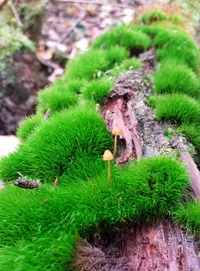
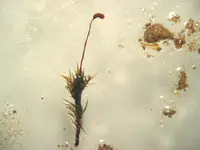
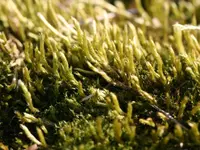
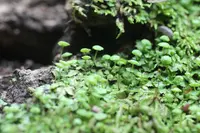
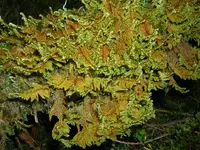
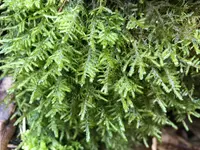
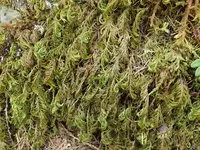
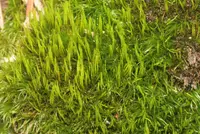
Dicranum tauricum is a cushion-forming moss often called dicranum moss. It creates dense, soft clumps of upright, slightly curved leaves that give a textured, forest-floor look. The shoots usually lean in one direction, which adds a subtle, windswept appearance in terrariums or shade gardens.
This species is native to temperate forests, typically growing on soil, rotting wood, or rocks in cool, humid environments. It is slow-growing but durable once established, and its need for steady moisture and shade makes it moderately easy if conditions are stable. Those conditions also explain how to care for dicranum moss in indoor displays or controlled outdoor spots.

Care Difficulty
Moderate Care

Light Preference
Partial Shade

Water Requirements
Keep Soil Moist

Temperature Preference
Cool Climate

Hardiness Zone
5–8

Soil Texture
Loamy, Peaty, Organic-rich

Soil pH
Strongly acidic (4.5–5.5), Acidic (5.5–6.5)

Soil Drainage
Moist but well-drained

Fertilization
Minimal (feed rarely)
Scan your plant to receive care tips personalized for your specific plant
Available on iOS and Android
This moss prefers cool, shaded woodland-style light with protection from strong sun.
Watering should mimic consistent woodland moisture without leaving the moss submerged or stagnant.
This moss is adapted to cool, temperate climates and tolerates moderate seasonal variation.
This moss prefers consistently moist, cool air and reacts quickly to dry conditions.
Dicranum tauricum grows best on a loose, moisture-retentive yet well-aerated substrate rather than dense potting soil.
This species is suitable for shallow container culture when moisture and airflow are carefully balanced.
Nutrient needs of Dicranum tauricum are very low, so added fertilizer is rarely required in typical indoor or terrarium setups.
Pruning Dicranum tauricum focuses on gentle grooming rather than structural shaping.
Transplanting Rather than frequent repotting suits Dicranum tauricum, which prefers stable, undisturbed conditions.
Propagation of Dicranum tauricum is typically done by division of existing cushions rather than by spores at home.
Dicranum tauricum is generally cold hardy and usually needs no special winter care when grown outdoors in suitable climates.

Plant Health Check
Not sure what's wrong with your plant? Check your plant's health inside the app.
This moss is native to shaded, humid forests of central and southern Europe, where it typically grows on acidic substrates such as rotting logs, humus-rich soil, and the bases of trees.
The leaves are narrowly lance-shaped and characteristically twisted when dry, which helps distinguish it from other Dicranum species that have straighter leaves or different drying patterns.
In parts of its range it frequently colonizes the bark of conifers and other acid-barked trees, reflecting a clear ecological preference for low-pH microhabitats rather than neutral or calcareous substrates.
Brown tips or patches usually result from drying out, low humidity, or strong air movement. Chronic saturation and poor air flow can also cause browning through rot. Check moisture balance, improve humidity, and avoid direct drafts.
Keep your plants happy and healthy with plant identification, disease detection, and easy care guidance.