Use acidic substrate
Establish the moss on a stable, acidic base such as aged conifer bark, rotting hardwood, or well-weathered sandstone to mimic its natural habitat and improve long‑term colony stability.

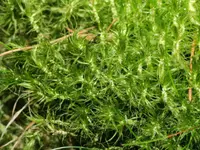
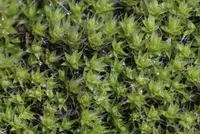
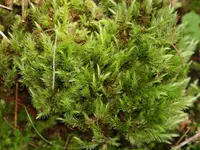
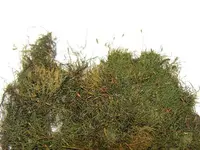
Dicranum polysetum, often called dicranum moss or fork moss, is a clump-forming moss that creates dense, soft, upright tufts of bright to deep green foliage. Each shoot carries narrow, slightly curved leaves that give the cushions a textured, almost bristly look when dry, and a smoother appearance when moist.
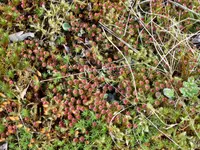
This species commonly grows on forest floors, rotting logs, and rocky banks in cool, humid woodlands across the Northern Hemisphere. It is generally slow-growing but durable when its moisture needs are met.
Dicranum polysetum prefers shaded, consistently damp, acidic substrates and clean, low-nutrient conditions, which shapes how to care for dicranum moss in home or terrarium setups.

Care Difficulty
Moderate Care

Light Preference
Partial Shade

Water Requirements
Keep Soil Moist

Temperature Preference
Cold Hardy

Hardiness Zone
3–7

Soil Texture
Loamy, Peaty, Organic-rich

Soil pH
Strongly acidic (4.5–5.5), Acidic (5.5–6.5)

Soil Drainage
Moist but well-drained

Fertilization
Minimal (feed rarely)
Scan your plant to receive care tips personalized for your specific plant
Available on iOS and Android
This species thrives in cool, moist forests with soft, filtered light rather than direct, intense sun.
Dicranum polysetum prefers consistently moist conditions but is sensitive to waterlogged substrates.
This moss is a cool- to cold-tolerant species that handles seasonal temperature shifts well.
This moss prefers cool, consistently moist air similar to a shaded forest floor.
This species grows best on moist, acidic, well‑aerated substrates that mimic decomposing forest litter.
This moss can adapt well to shallow containers when moisture and airflow are balanced carefully.
This moss is adapted to low-nutrient habitats and usually grows best with minimal or no fertilization.
Dicranum polysetum needs almost no true pruning, only light grooming to keep the cushion clean and healthy.
Transplanting this moss focuses on moving surface mats rather than disturbing roots, which are very fine and shallow.
Propagation of Dicranum polysetum is most practical through vegetative division of existing mats.
This moss is naturally cold hardy and usually needs no special winter care in outdoor settings.

Plant Health Check
Not sure what's wrong with your plant? Check your plant's health inside the app.
This species is most common in cool, boreal conifer forests of the Northern Hemisphere, where it forms extensive carpets on acidic soils and humus under spruce and pine canopies.
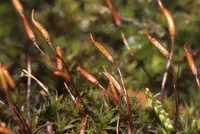
Its spore capsules sit on unusually long, stiff stalks that stand well above the leaves, a trait that helps distinguish it from closely related Dicranum species in the field.
Dense mats of this moss trap fine particles and stabilize the forest floor, reducing surface erosion on sloping, nutrient-poor sites.

In Scandinavian and other northern boreal forests, this moss is sometimes used as an ecological indicator of relatively undisturbed, old conifer stands, because it tends to persist and thrive where logging and soil disturbance have been limited.
This species is slow-growing, often adding only a few millimeters of height and spread per year. Growth speeds up slightly in consistently cool, moist, shaded conditions and slows or stops during drought, heat, or physical disturbance.
Keep your plants happy and healthy with plant identification, disease detection, and easy care guidance.