rigid didymodon moss Care (Didymodon rigidulus)

Also known as: Rigid Beard Moss
rigid didymodon moss

About rigid didymodon moss

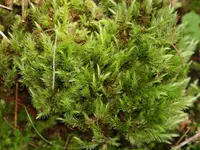
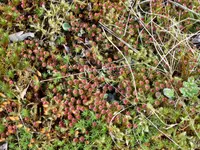
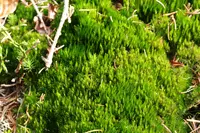
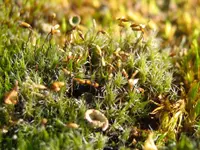
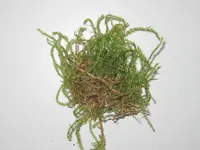
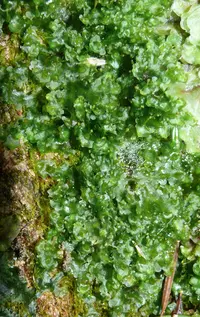
Rigid didymodon moss (Didymodon rigidulus) is a small, compact moss that forms dense, cushion-like mats on soil, rocks, and old walls. Its leaves are short, stiff, and often give the cushions a rough, textured look.

This species occurs widely across temperate regions, including much of North America and Europe, especially in open, sometimes disturbed sites. It is generally tough and adaptable, which makes it relatively easy to establish in moss gardens and terrariums if basic needs are met.

Those who want to care for rigid didymodon moss should provide consistent moisture, good air circulation, and a stable, lightly shaded spot with mineral-based or well-drained, low-organic substrate.

Main Plant Requirements

Care Difficulty

Moderate Care

Light Preference

Partial Shade

Water Requirements

Keep Soil Moist

Temperature Preference

Cold Hardy

Hardiness Zone

3–8

Soil Texture

Sandy, Loamy, Rocky

Soil pH

Acidic (5.5–6.5), Slightly acidic (6.5–7.0)

Soil Drainage

Moist but well-drained

Fertilization

Minimal (feed rarely)

Get Personalized Care Plan

Scan your plant to receive care tips personalized for your specific plant

Available on iOS and Android

How to Care for the rigid didymodon moss

This moss prefers bright, indirect light that mimics open but not fully exposed rock or soil surfaces.

  • Aim for 3–5 hours of gentle morning sun with dappled or filtered light the rest of the day, especially in spring and fall.
  • Provide partial shade or high, open shade at midday; harsh afternoon sun can dry and bleach rigid didymodon moss, reducing its dense green appearance.
  • In summer, increase shade during hot spells; in winter, allow more direct low-angle light where possible to support photosynthesis.

This species prefers consistent surface moisture but tolerates brief drying better than prolonged saturation.

  • Water when the upper 0.5–1 cm of its substrate feels barely damp rather than wet, using a soft spray or gentle flow to avoid dislodging cushions.
  • During warm, windy, or very sunny periods, monitor daily and rewet as soon as fronds begin to look slightly dull or stiff, early signs of drying.
  • Prevent standing water by ensuring gritty, fast-draining mineral soils; persistent sogginess, algae growth, or a sour smell indicate overwatering stress for Didymodon rigidulus.

This moss is naturally cold-hardy but grows best in cool to mild conditions.

  • Optimal growth occurs around 50–68°F (10–20°C), with steady moisture; growth slows noticeably outside this band but often resumes when temperatures normalize.
  • It tolerates winter lows down to about 10–15°F (-12 to -9°C) once established, though repeated freeze-thaw cycles on exposed rock can cause some cushion damage.
  • In hot spells above 80–85°F (27–29°C), provide shade and extra moisture; prolonged heat over 90°F (32°C) can desiccate and thin the mats if not protected.

This moss prefers moderately moist air and tolerates short dry spells if the substrate stays damp.

  • Aim for 50–70% humidity, keeping the moss cushion slightly moist rather than wet.
  • Dry indoor air causes pale, crispy leaf tips and thinning patches of rigid didymodon moss.
  • Increase humidity by clustering containers, using a nearby pebble tray, or lightly misting the surroundings without saturating the moss.

This species grows best on thin, mineral-based, sharply drained substrates rather than deep, rich potting mixes.

  • Use a mix of 60–80% sand or fine grit with 20–40% loam or sifted compost to mimic rocky ground.
  • Ensure very fast drainage; a shallow layer over rock, brick, or gravel prevents water from pooling around rhizoids.
  • Keep pH slightly acidic to neutral (pH 5.5–7.0), avoiding strongly alkaline or salty conditions that stunt growth.
  • For Didymodon rigidulus, avoid dense peat-heavy mixes; add extra grit or crushed lava rock to improve aeration and surface dryness.

This moss is suitable for shallow containers, trays, or stone troughs that allow a thin, well-drained substrate layer.

  • Use wide, shallow containers so the moss spreads across the surface while excess moisture drains quickly.
  • Place a coarse gravel or broken-pot shard layer beneath the substrate to prevent water from stagnating at the base.
  • Choose heavier materials like ceramic or stone trays outdoors so wind does not disturb the lightweight moss carpet.

This moss has very low nutrient demands and usually grows well without supplemental feeding in most settings.

Pruning for Didymodon rigidulus is minimal and mainly cosmetic, aimed at keeping mats even and healthy.

  • Trim small patches with fine scissors in spring or early summer to remove dead, browned, or decaying tufts.
  • Cut back crowded or overly thick areas to improve airflow and reduce moisture buildup on shaded substrates.
  • Shape edges gently rather than cutting deeply into the cushion to avoid tearing the mat from its substrate.

Transplanting this moss focuses on moving surface mats rather than disturbing roots, which stay shallow and fine.

  • Transplant when mats become patchy, overgrown, or when growth slows despite good moisture and light.
  • Choose cool, moist weather in spring or fall; harsh sun or heat increases transplant stress and desiccation risk.
  • Lift thin sections of the mat with attached substrate, then press firmly onto the new surface for close contact.
  • Mist well for 1–2 weeks after moving and keep the area evenly moist to encourage reattachment and new growth.

Propagation of this moss is straightforward and usually done by division of existing mats rather than by spores.

  • In spring or fall, gently tear or cut the cushion into small plugs, each with living green tips and some substrate.
  • Lay sections onto a clean, rough surface so rhizoids can anchor; stone, bark, or compact soil work well.
  • Maintain constant, gentle moisture and bright, indirect light; avoid waterlogged conditions or strong direct sun.
  • For how to take care of rigid didymodon moss during establishment, limit foot traffic and disturbance around new patches.

This moss is naturally cold hardy and typically needs no special winter protection in temperate climates.

  • In-ground mats usually tolerate freezing and thawing, provided the site drains well and does not stay waterlogged.
  • For container culture, keep pots in a shaded, sheltered position to reduce freeze–thaw cycling and drying winds.
  • Avoid thick mulches directly on top of the moss; instead maintain moderate moisture so tissues do not desiccate in dry winter air.

Care Tips

Substrate pre-compaction

Lightly firm the substrate with a flat board or hand tamper before applying fragments so the moss rhizoids can grip a stable surface and establish a more even, carpet-like mat.

Fragment anchoring

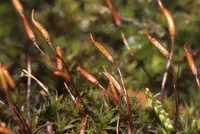
After sprinkling moist moss fragments, cover them with a thin layer of coarse mesh, jute netting, or sparse twigs for 2–4 weeks to keep pieces in place until they bind to the substrate.

Targeted mist cooling

During hot, dry spells, mist the moss and surrounding hardscape in the evening to slightly cool the microclimate and reduce desiccation stress without creating prolonged surface saturation.

Seasonal thinning

Once mats are dense, gently lift and remove small patches each year to reduce thatch buildup and improve air flow, then reapply the best-looking pieces to thin or bare edges.

Algae and liverwort control

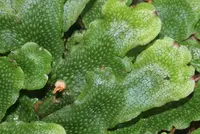
If green films or liverwort patches appear, briefly increase light and decrease nutrient input on that area, then gently scrub the surface with a soft brush to maintain clean, active growth when caring for rigid didymodon moss.

Common Pests and Diseases

Bryophyte rust fungus

This disease causes scattered orange to rust-brown pustules on moss cushions, often leading to thinning patches and reduced vigor. Symptoms include localized discoloration and a powdery spore layer on affected shoots.

Solution

Remove and discard heavily infected cushions, then thin surrounding growth to improve air circulation and reduce surface moisture duration. Avoid overhead irrigation, keep nearby leaf litter and dead plant material to a minimum, and if growing rigid didymodon moss in culture, adjust watering so surfaces dry slightly between misting cycles.

Algal overgrowth

This problem appears as a slimy green film covering moss surfaces, often in very wet, nutrient-enriched conditions. Symptoms include dull color, reduced new shoot formation, and slippery patches that outcompete the moss.

Solution

Reduce watering frequency, improve drainage, and increase light airflow over the substrate so surfaces do not stay constantly saturated. Physically rinse or gently brush away algal film, then limit fertilizer or nutrient-rich runoff reaching the moss to prevent rapid regrowth.

Slime mold colonization

This organism forms thin, whitish to yellowish plasmodial patches or crusts on the moss surface after extended warm, wet periods. Symptoms include temporary smothering of shoots and localized dieback where coverage is dense.

Solution

Allow the surface to dry slightly between waterings and increase airflow to make the habitat less favorable for slime molds. Gently remove visible patches with a soft brush or rinse, then reduce organic debris and decaying material around the moss to limit future outbreaks.

Moss mites

These arthropods are tiny soil and moss-dwelling mites that feed within the cushions, sometimes causing patchy thinning and frayed shoot tips. This pest is more common in long-established, very humid cultures or outdoor mats with abundant organic debris.

Solution

Lift and discard heavily infested clumps, then reduce organic litter and keep the moss slightly less humid while avoiding complete drying. For cultured material, briefly flood and drain the substrate to dislodge mites, and if necessary use a targeted, low-toxicity miticide labeled for moss or bryophyte habitats, following label directions carefully.

Sciarid larvae

These insect larvae, commonly called fungus gnat larvae, inhabit very damp substrates and can graze on fine rhizoids and young moss shoots, leading to weakened or thinning patches. This pest is especially relevant in indoor trays or laboratory cultures with constantly wet, organic-rich media.

Solution

Allow the substrate surface to dry slightly between waterings, improve drainage, and use fine sand or grit as a topdressing to create a less suitable environment for larvae. Sticky traps help reduce adult populations, and a biological larvicide containing Bacillus thuringiensis israelensis (Bti) can be applied to the substrate according to label directions to control larvae without harming the moss.

Interesting Facts

Cosmopolitan urban colonizer

This moss is one of the most widespread Didymodon species and is especially frequent on man-made substrates such as concrete, brick, mortar, and old tarmac in temperate cities across Europe and North America.

Rigid leaf anatomy

The narrow, stiff leaves have strongly thickened cell walls and a distinct, often excurrent costa (midrib that extends as a short point), which help the plant maintain structure and reduce water loss on exposed, dry surfaces.

Tolerance of lime-rich surfaces

Populations are particularly common on basic, lime-rich substrates such as mortar and calcareous rocks, reflecting an ecological preference for higher pH environments compared with many woodland mosses.

Botan icon

Did you know?

Didymodon rigidulus is often one of the first bryophytes to appear on newly exposed urban masonry and concrete, acting as a pioneer species that stabilizes fine particles and creates microhabitats that later allow less stress-tolerant mosses and lichens to establish.

FAQs about rigid didymodon moss

This moss spreads slowly to moderately by spores and short creeping stems. It usually forms small, dense patches rather than large mats, so it is unlikely to become aggressive in gardens, containers, or terrarium setups.

Grow Healthy Plants with Botan Care

Keep your plants happy and healthy with plant identification, disease detection, and easy care guidance.

Botan plant care app — identify plants on mobile

Explore More Plants