dicranum moss Care (Dicranum viride)

Also known as: Green Broom Moss
dicranum moss

About dicranum moss

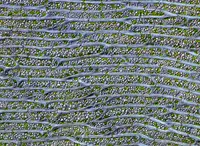
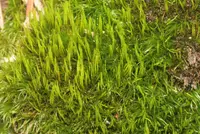
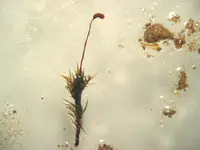
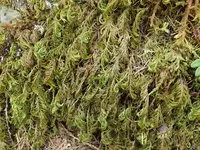
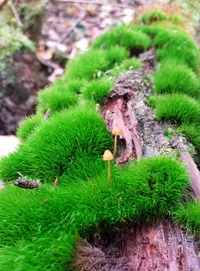
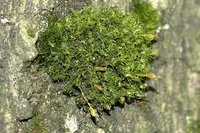
Dicranum viride, often called dicranum moss, is a small, tuft-forming moss that creates dense, velvety green cushions. Its upright, slightly curved leaves give it a soft, structured look.

This species occurs naturally on shaded rocks and tree bases in humid forests across parts of Europe and Asia, sometimes in North America. It prefers cool, moist, and stable conditions, which makes it sensitive to drying out and strong sun.

Because it grows slowly and dislikes disturbance, it can be more challenging than common mosses for beginners. Anyone wanting to learn how to care for dicranum moss benefits from starting with a stable, humid environment and gentle handling.

Main Plant Requirements

Care Difficulty

Moderate Care

Light Preference

Shade

Water Requirements

Keep Soil Moist

Temperature Preference

Cold Hardy

Hardiness Zone

4–8

Soil Texture

Loamy, Peaty, Organic-rich

Soil pH

Strongly acidic (4.5–5.5), Acidic (5.5–6.5)

Soil Drainage

Moist but well-drained

Fertilization

Minimal (feed rarely)

Get Personalized Care Plan

Scan your plant to receive care tips personalized for your specific plant

Available on iOS and Android

How to Care for the dicranum moss

This woodland moss prefers cool, shaded conditions that mimic a forest floor.

  • Provide dappled or filtered light with 1–3 hours of weak morning sun; avoid direct midday or afternoon sun, which can scorch and dry fronds.
  • Site dicranum moss under deciduous shrubs or trees where it receives bright shade in summer and slightly more light in winter.
  • Watch color and texture: pale, crispy tips indicate too much sun, while thin, elongated growth suggests the site is too dark.

This moss needs consistently moist but not waterlogged conditions around its rhizoids (anchoring structures).

  • Aim for evenly moist substrate; in mild weather, water lightly whenever the top surface begins to feel just barely dry, often every few days outdoors.
  • Use soft, low-mineral water if possible and ensure the soil or substrate drains freely so no standing water remains for more than 1–2 hours.
  • In cooler months, reduce watering frequency but prevent complete drying; gray, brittle pads signal underwatering, while slimy, discolored patches suggest overwatering of Dicranum viride.

This species grows best in cool, temperate conditions typical of shaded forests.

  • Maintain an ideal range of 50–70°F (10–21°C); growth slows above or below this but healthy colonies tolerate short swings outside it.
  • Protect from hard frost below about 20°F (-7°C); brief light frosts are usually tolerated if the moss is moist and shaded from morning sun.
  • Limit exposure to heat above 80°F (27°C); in hot periods increase shade and humidity, since repeated days near 90°F (32°C) can dry and weaken mats.

This moss prefers consistently moist air and reacts quickly to dry conditions.

  • Aim for 60–90% humidity, as dicranum moss naturally grows in damp, shaded forest microclimates.
  • It tolerates brief dips to 40–50% but fronds become crisp, pale, and curl inward when air stays too dry.
  • Increase humidity with a covered terrarium, pebble tray under the container, or frequent fine misting that keeps foliage damp but not dripping.

This species anchors in moist, acidic, organic substrates rather than traditional potting soil.

  • Use a loose, fibrous layer of shredded sphagnum, fine bark, and leaf mold to mimic a decaying forest floor.
  • Ensure constant moisture but rapid drainage, so water passes through instead of pooling around the rhizoids that act like roots.
  • Target a pH around 4.5–6.0 by using peat-based materials and avoiding lime, wood ash, or alkaline tap water.
  • Improve aeration by mixing in fine bark chips and avoiding compacted soil or dense clay-based mixes that stay soggy.

This moss can adapt to container culture when the setup mimics a shallow, moist forest substrate.

  • Choose a wide, shallow container that lets the cushion spread horizontally while keeping the entire surface evenly moist.
  • Use a solid, heavier pot or tray so the lightweight planting does not shift when watered from above.
  • Place a moisture-retentive substrate layer over a coarse drainage layer so excess water drains quickly while the top stays damp.

This moss species gains most nutrients from rainwater and substrates, so additional fertilization is usually unnecessary for healthy Dicranum viride.

Pruning needs are minimal for Dicranum viride and focus on hygiene rather than shaping.

  • Trim away brown, decayed, or moldy patches at any time using small scissors or tweezers.
  • Remove debris such as fallen leaves gently to keep light and air reaching the moss cushions.
  • Avoid cutting deeply into healthy green tufts, which can thin the colony and slow recovery.

Transplanting is done mainly when Dicranum viride needs relocation or a cleaner, more stable substrate.

  • Move clumps when growth looks patchy, substrate breaks down, or a display needs refreshing, rather than on a fixed schedule.
  • Choose cool, moist conditions in spring or early fall to reduce drying stress during transplanting.
  • Lift moss with a thin layer of attached substrate, keeping mats intact to limit disturbance of rhizoids.
  • Press clumps firmly onto the new, slightly acidic, rough surface and mist well until they reattach.

Propagation of Dicranum viride is typically done vegetatively rather than from spores in home settings.

  • Divide existing cushions in spring or fall, when moisture is reliable and temperatures are mild.
  • Tear or cut mats into small sections, each with healthy green shoots and some underlying substrate.
  • Press divisions onto a rough, moist, acidic surface and mist frequently to maintain high humidity.
  • Keep the site shaded from direct sun and protected from wind while new rhizoids anchor and spread.

This moss is generally cold hardy and needs little active winter care outdoors in suitable climates.

  • Dicranum viride tolerates freezing, but growth pauses during the coldest months.
  • Ensure the substrate drains well so ice does not stand around the colony for long periods.
  • In containers, place pots where freezing winds are reduced and moisture remains stable without waterlogging.

Care Tips

Use acidic substrate

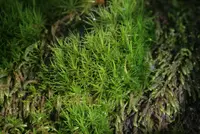
Mount the moss on decaying hardwood, bark, or a peat-heavy, low-nutrient substrate to mimic its natural acidic forest habitat and discourage competing algae and liverworts.

Secure with mesh

When establishing new patches, press cushions gently onto the substrate and hold them in place with loose plastic mesh or cotton thread until rhizoids (anchoring filaments) attach firmly.

Manage airflow gently

Provide light, indirect air movement around the colony to reduce fungal growth, but avoid direct fan drafts that dry the cushions and damage the delicate leaf tips.

Rinse to reduce dust

Every 4–8 weeks, gently rinse the moss with soft, chlorine-free water to wash off dust and spores that can shade the leaf surfaces and slow photosynthesis.

Seasonal moisture adjustment

In cool seasons allow slightly longer surface drying intervals, but in warm periods shorten intervals and mist lightly so the cushions never stay crispy-dry for more than a brief period when growing dicranum moss.

Common Pests and Diseases

Bryophyte aphids

This pest feeds on the tender moss shoots and can cause patchy yellowing and stunted new growth in cushions of Dicranum viride.

Solution

Rinse cushions gently but thoroughly with cool, clean water to dislodge aphids, then improve air movement and avoid overfertilization, which can attract them; in persistent cases, spot-treat with a dilute insecticidal soap spray and then rinse after 10–15 minutes to avoid residue buildup on the moss.

Springtails

These insects thrive in constantly saturated substrates around moss cultures and, when very numerous, can disturb fine shoots and new protonemata (young moss tissue).

Solution

Reduce standing water, allow the substrate surface to become just slightly less saturated between mistings, and improve ventilation; if populations remain high, repeatedly flush the container with clean water and use a fine mesh or tight lids around access points to limit reinfestation while still allowing filtered air exchange.

Fungal leaf blight

This disease develops in very still, humid air and leads to brown, water-soaked patches that spread through cushions, especially in closed terraria or dense mats.

Solution

Remove and discard affected tufts, then increase airflow, reduce continuous condensation on the moss, and avoid overhead misting late in the day; in valuable collections, a very light application of a moss-safe fungicide can be used as a spot treatment, followed by careful monitoring of moisture levels as part of general Dicranum viride care instructions.

Algal overgrowth

This problem occurs on constantly wet, nutrient-enriched surfaces and forms green, slimy films that smother moss shoots and block light.

Solution

Cut back on dissolved nutrients, reduce watering frequency slightly while keeping the moss evenly moist, and increase shade or diffuse light to moderate algal growth; gently rub or rinse affected rock or bark surfaces with clean water, then re-establish thinner moss layers to dry more quickly between mistings.

Slugs and snails

These pests graze on soft moss cushions, leaving irregular bare patches and ragged edges, particularly in outdoor or cold-frame culture.

Solution

Hand-pick slugs and snails during damp evenings, use physical barriers such as copper tape or fine mesh around trays, and keep surrounding debris and leaf litter to a minimum; in heavily affected outdoor areas, place shallow beer or yeast traps nearby to intercept them before they reach the moss mats.

Interesting Facts

Old-growth forest specialist

This moss is strongly associated with long-undisturbed, shaded broadleaf forests, especially ancient beech woodlands in Europe and parts of Asia, and is often used as an indicator of old-growth forest continuity.

Restricted global range

Dicranum viride has a scattered, mainly temperate distribution, with core populations in central and eastern Europe and parts of East Asia, while being absent from large areas where suitable climates exist, which highlights its specialized habitat requirements.

Conservation concern species

In several European countries this species is red-listed because of habitat loss and forest management changes, and conservation plans often mention it when prioritizing protection of humid, mature deciduous forests.

Botan icon

Did you know?

Dicranum viride frequently grows on the bases and lower trunks of living broadleaf trees, rather than on rocks or soil like many other Dicranum species, making its presence a useful signal for sites that have maintained cool, humid bark microhabitats for decades.

FAQs about dicranum moss

This species grows slowly, usually adding only a few millimeters each year. Growth is fastest in consistently cool, shaded, moist conditions on stable substrates like decaying wood or compact soil, with minimal disturbance and no prolonged drying.

Grow Healthy Plants with Botan Care

Keep your plants happy and healthy with plant identification, disease detection, and easy care guidance.

Botan plant care app — identify plants on mobile

Explore More Plants