small-flowered foxglove Care (Digitalis parviflora)

small-flowered foxglove

About small-flowered foxglove

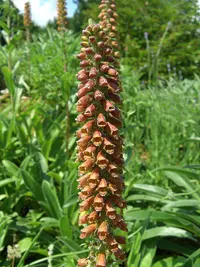
Small-flowered foxglove, Digitalis parviflora, is a compact perennial known for its narrow, upright flower spikes densely packed with tiny brownish to copper bell-shaped blooms. It forms low rosettes of green leaves, sending up slender flowering stems that suit mixed borders and cottage-style plantings.

This species is native to mountain regions of Spain and tends to thrive in cool, temperate climates. It is generally easier to manage than taller foxgloves, though it still prefers well-drained soil and consistent moisture. Understanding how to care for small-flowered foxglove starts with providing sun to light shade and avoiding waterlogged conditions.

Main Plant Requirements

Care Difficulty

Moderate Care

Light Preference

Partial Sun

Water Requirements

Moderate Water

Temperature Preference

Cool Climate

Hardiness Zone

4–8

Soil Texture

Sandy, Loamy, Organic-rich

Soil pH

Acidic (5.5–6.5), Slightly acidic (6.5–7.0)

Soil Drainage

Moist but well-drained

Fertilization

Minimal (feed rarely)

Get Personalized Care Plan

Scan your plant to receive care tips personalized for your specific plant

Available on iOS and Android

How to Care for the small-flowered foxglove

Digitalis parviflora prefers bright, gentle conditions that avoid intense afternoon heat.

  • Provide 4–6 hours of sun daily, ideally morning sun with light afternoon shade, especially in hotter regions.
  • Plant in a spot with partial shade or dappled light; small-flowered foxglove tolerates more shade in warm climates but may bloom less with under 3–4 hours of direct light.
  • Avoid full, all-day sun in summer, since strong afternoon exposure can scorch foliage and dry soil too quickly.

This species prefers evenly moist, well-drained soil without long periods of drought or saturation.

  • Water when the top 2–4 cm of soil feels dry, aiming for moisture that is damp but not soggy around the root zone.
  • Use well-draining soil or a raised bed to prevent standing water, which increases risk of root rot and yellowing, limp leaves.
  • In spring and early summer, check soil more often; in cooler or rainy periods, extend intervals and watch for wilting or crisp, browning leaf edges as signs of underwatering.

This foxglove is a hardy perennial suited to cool to mild outdoor conditions.

  • Optimal growth occurs around 55–70°F (13–21°C), with strong flowering in cool springs and mild summers.
  • Mature plants tolerate winter lows near 10–15°F (-12 to -9°C) with mulch; young plants benefit from protection from repeated freeze–thaw cycles.
  • In hot spells above 85°F (29°C), provide extra shade and consistent soil moisture to reduce stress, as prolonged high heat can shorten flowering and weaken plants.

Humidity is not a critical factor for Digitalis parviflora, which handles typical outdoor conditions well.

  • Performs reliably in 40–60% humidity commonly found in most temperate gardens.
  • Tolerates short periods of drier air if soil moisture is kept consistent and roots do not dry out completely.
  • Watch for browning leaf edges or drooping during hot, very dry winds and prioritize soil watering rather than misting to relieve stress.

Digitalis parviflora prefers evenly moist, well-structured mineral soil that drains freely but does not dry out too fast.

  • Use a loamy or sandy-loam soil with 20–30% compost mixed in to provide moderate organic matter and moisture retention.
  • Ensure sharp drainage by blending in coarse sand or fine grit, especially on heavier clay sites, to prevent waterlogging around the crown.
  • Aim for slightly acidic to neutral pH, roughly 6.0–7.0, avoiding very alkaline or chalky soils that can limit nutrient uptake.
  • Avoid compacted, heavy clay or constantly wet sites; improve aeration by loosening soil 20–30 cm deep before planting.

This species can be grown in containers if the pot is deep and stable enough for its vertical growth.

  • Choose a pot at least 30–35 cm deep to accommodate the taproot and prevent the plant from becoming unstable in wind.
  • Use a heavier material such as ceramic or stone in exposed spots to keep tall flower spikes from tipping the container.
  • Fill the container with a free-draining, gritty mix and elevate the pot slightly on risers so drainage holes never sit in standing water.

Digitalis parviflora benefits from modest feeding in poor or fast-draining soils but often manages on reasonably fertile ground.

  • Use a balanced, slow-release granular fertilizer (around 10-10-10) or a light top-dressing of compost in early spring.
  • Feed once at the start of the growing season; in very lean soils, add a second light application in midsummer.
  • Dilute liquid feeds to 1/2 strength to avoid soft, weak growth on small-flowered foxglove.
  • Skip fertilizer in late fall and winter, when growth slows or plants are dormant.

Pruning Digitalis parviflora focuses on tidiness and directing the plant’s energy into strong flowering and reseeding.

  • In late spring and summer, remove spent flower spikes at the base to encourage a neater clump and possible side flowering.
  • Cut away dead, damaged, or diseased leaves whenever noticed, using clean, sharp hand pruners or scissors.
  • Leave a few mature seed spikes if self-sowing and natural spread in the border are desired.
  • In late fall, trim back collapsed foliage to reduce fungal problems, but avoid cutting healthy green rosettes.

This foxglove is usually grown in beds and borders, so care focuses on careful transplanting rather than frequent repotting.

  • Transplant in early spring or early fall, when temperatures are mild and soil stays evenly moist.
  • Move plants only if necessary; look for overcrowding, poor flowering, or plants shading each other as signs to shift clumps.
  • Dig a wide, shallow hole, disturbing the root ball as little as possible, and replant at the same depth the rosette grew before.
  • Water thoroughly after transplanting and shade lightly for a few days to reduce stress while roots reestablish.

New plants are most often raised from seed, as Digitalis parviflora tends to self-sow under suitable conditions.

  • Sow fresh seed in late spring to late summer on the soil surface or barely covered, since light helps germination.
  • Use a free-draining, moist seed mix and keep at 60–70°F until seedlings appear in 2–4 weeks.
  • Thin or prick out seedlings when large enough to handle, spacing to avoid crowding and damping-off disease.
  • For more controlled stands, collect dry seed heads and sow in trays, then transplant young rosettes to final positions.

This species is generally cold hardy in much of the US and needs only modest winter care in the ground.

  • In zones with reliable winter snow cover, the basal rosette typically survives normal frost without extra measures.
  • Apply a 5–7 cm mulch of leaves or compost around, but not over, the crown in late fall, especially in exposed sites.
  • Container-grown plants are more vulnerable; move pots into an unheated garage, cold frame, or sheltered wall area before hard freezes.

Care Tips

Stake Flower Spikes

Install low, discrete stakes and soft ties when the stems reach 20–30 cm to keep the slender spikes upright and prevent wind damage or lodging in heavy rain.

Deadhead In Stages

Remove only the lowest spent flowers first, then work upward over several weeks so the plant continues to extend the spike and bloom longer before allowing a few final seed pods to mature if seed is desired.

Plan Successive Planting

Sow or plant a fresh group every 1–2 years in a nearby bed so that as older plants decline, younger ones are already established and flowering, which keeps the display continuous.

Use Gravel Mulch

Apply a 1–2 cm layer of fine gravel or grit around the crowns to keep the leaf bases drier, reduce soil splash, and limit fungal spotting on the lower foliage when caring for small-flowered foxglove.

Monitor For Self-Sowing

Mark plants with the best color and vigor, then let only those set seed so that natural self-sown seedlings resemble the strongest parents and weak or off-type plants are gradually phased out.

Common Pests and Diseases

Aphids

This pest feeds on tender flower spikes and foliage, sucking sap and causing curling, distortion, and sticky honeydew that can attract sooty mold.

Solution

Spray colonies off the stems and undersides of leaves with a firm stream of water, then use insecticidal soap or a neem oil spray every 5–7 days until populations drop; encourage natural predators such as lady beetles by avoiding broad-spectrum insecticides nearby.

Slugs and snails

These pests chew irregular holes in leaves and young flowering shoots, often leaving slime trails around the base of the plant, especially in cool, damp conditions.

Solution

Hand-pick pests in the evening, reduce hiding places like dense mulch against the crown, use iron phosphate bait around but not touching the plants, and improve airflow so foliage dries quickly after rain or irrigation.

Powdery mildew

This disease appears as white to gray powdery patches on leaves, which may become yellowed, distorted, and prematurely drop, especially in crowded plantings with poor air circulation.

Solution

Remove and discard heavily affected leaves, thin or divide clumps to improve airflow, water at soil level to keep foliage dry, and apply a sulfur or potassium bicarbonate-based fungicide at the first sign of symptoms according to label directions.

Leaf spot

This disease causes small brown or purple spots on leaves that can merge into larger blotches, starting on older foliage and sometimes leading to early defoliation in wet summers.

Solution

Remove and dispose of spotted leaves, avoid overhead watering, space plants to allow good airflow, and use a copper-based fungicide during extended wet periods if the problem recurs year after year.

Crown and root crown rot

Symptoms include wilting, yellowing, and collapse of the rosette from the base, often in poorly drained or waterlogged soils, with the crown tissue turning soft and brown.

Solution

Improve drainage by planting on a slight mound or raised bed, avoid heavy watering and standing water around the crown, remove and destroy severely affected plants, and avoid replanting foxgloves in the same poorly drained spot to support longer-term Digitalis parviflora plant care.

Interesting Facts

Narrow endemic range

This species is naturally restricted to northern Spain, where it grows on rocky slopes and open woodland clearings in montane areas, often on slightly acidic to neutral soils.

Rusty brown flower spikes

It produces dense, upright spikes of many small tubular flowers in shades of brown to coppery rust, an uncommon color range within the genus that gives it a distinct appearance in bloom.

Specialist bee pollinators

The small, tubular flowers are primarily visited by medium-sized bees that can navigate the narrow corolla, and the plant’s structure encourages these pollinators to brush against the reproductive organs as they enter and exit.

Botan icon

Did you know?

This species has been used in hybridization work within the genus to introduce its compact habit and distinctive brownish flower color into new ornamental foxglove cultivars, contributing genetic traits valued by plant breeders.

FAQs about small-flowered foxglove

The flowers are rich in nectar and strongly attract bees, especially bumblebees, as well as some butterflies. Planting several together creates a concentrated food source that supports pollinators from late spring into early summer.

Grow Healthy Plants with Botan Care

Keep your plants happy and healthy with plant identification, disease detection, and easy care guidance.

Botan plant care app — identify plants on mobile

Explore More Plants