Timing Your Mowing
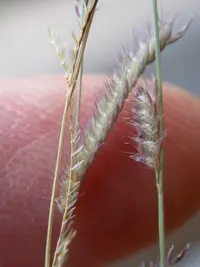
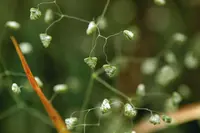
If using this species as a low-cover grass, set mower height to 5–7 cm and mow just before seed heads fully emerge to limit reseeding while keeping the stand dense and competitive.

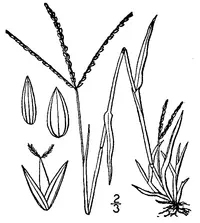
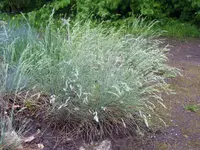
Smooth crabgrass (Digitaria ischaemum) is a low-growing annual grass that spreads outward in flat, radiating mats. It often appears in thin or disturbed lawns, garden edges, and along sidewalks and driveways. Native to Europe but now widespread across North America, it thrives in compacted soils and hot summer conditions. The plant produces narrow leaves and seed heads that rise slightly above the foliage, allowing it to reseed easily and spread quickly. Because it tolerates poor soil, drought, and regular foot traffic, it is considered hardy and persistent. Those who want to limit or care for smooth crabgrass should understand its fast growth and heavy seeding habit.

Care Difficulty
Easy Care

Light Preference
Full Sun

Water Requirements
Moderate Water

Temperature Preference
Warm Climate

Hardiness Zone
3–9

Soil Texture
Sandy, Loamy, Clay

Soil pH
Acidic (5.5–6.5), Slightly acidic (6.5–7.0)

Soil Drainage
Well-drained

Fertilization
Minimal (feed rarely)
Scan your plant to receive care tips personalized for your specific plant
Available on iOS and Android
Digitaria ischaemum grows best in open, bright sites with direct sun exposure.
This warm-season annual grass prefers evenly moist, well-drained soil without prolonged saturation.
This warm-season grass thrives in heat and slows markedly in cool conditions.
Humidity is not a significant factor for Digitaria ischaemum, which thrives in typical outdoor air conditions.
Digitaria ischaemum establishes fastest in light, well-drained mineral soils that do not stay waterlogged.
This species can be grown in containers mainly for observation or controlled studies, though it is naturally a ground-covering lawn weed.
This annual grass grows vigorously in average soils and usually needs no fertilizer in lawns or wild areas.
Pruning Digitaria ischaemum is mainly a management task in lawns or disturbed sites rather than a decorative practice.
This species is usually grown in open ground; work focuses on transplanting young plants rather than repotting mature clumps.
Reproduction of this grass is almost always done from seed due to its fast annual life cycle.
This is a warm-season annual that dies back completely with frost and needs no winter protection.

Plant Health Check
Not sure what's wrong with your plant? Check your plant's health inside the app.
Smooth crabgrass is a true annual grass that completes its life cycle in one growing season, germinating in late spring as soils warm and dying completely with the first hard frosts, leaving only its seeds to overwinter.
Unlike many lawn grasses, this species naturally forms low, spreading mats with stems that radiate outward and often root at the lower nodes, allowing it to occupy open soil between or beneath taller plants.
Each plant can produce many small seed spikes along its branched flowering stems, and these seeds are readily dispersed by mowing, foot traffic, and soil movement, helping explain why caring for smooth crabgrass in turf is often focused on preventing new seedlings rather than removing existing plants.
This species spreads rapidly by seed and prostrate stems that root at the nodes, especially in open, disturbed soil. In lawns and beds it often forms dense patches, so regular monitoring and removal are important to limit spread.
Keep your plants happy and healthy with plant identification, disease detection, and easy care guidance.