Staggered Succession Sowing
Sow small batches of seed every 10–14 days in early spring to keep flowering continuous and avoid having all plants age and decline at the same time.

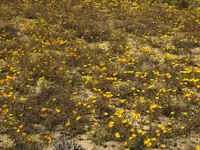
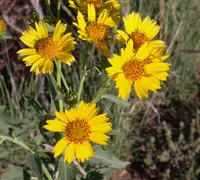
Glandular Cape marigold (Dimorphotheca sinuata) is a fast-growing annual daisy native to dry regions of South Africa and Namibia. It is widely grown for its vivid orange, yellow, or white flowers that open in sun and close in shade. Plants form low, branching mounds with narrow, sometimes sticky leaves and a long blooming season in mild conditions. This species suits sunny borders, rock gardens, and wildflower-style plantings where soil drains freely. It is generally easy to grow from seed if given full sun and not overwatered, so learning how to care for glandular Cape marigold is straightforward for most gardeners.

Care Difficulty
Easy Care

Light Preference
Full Sun

Water Requirements
Low Water

Temperature Preference
Tropical / Frost Sensitive

Hardiness Zone
9–11

Soil Texture
Sandy, Loamy

Soil pH
Slightly acidic (6.5–7.0), Neutral (7.0)

Soil Drainage
Well-drained

Fertilization
Minimal (feed rarely)
Scan your plant to receive care tips personalized for your specific plant
Available on iOS and Android
Dimorphotheca sinuata needs strong sun to produce dense, colorful flowering.
This species prefers dry-leaning conditions and is sensitive to prolonged soil moisture.
This annual thrives in mild, dry climates and declines in prolonged heat or hard cold.
Humidity is rarely critical for Dimorphotheca sinuata, which prefers dry, airy conditions typical of arid regions.
Dimorphotheca sinuata grows best in light, fast-draining, mineral soils that never stay wet for long.
This species is well suited to container growing in sunny, dry locations.
Dimorphotheca sinuata benefits from light, targeted feeding rather than rich soil.
Pruning Dimorphotheca sinuata focuses on deadheading and tidying to extend bloom and keep plants compact.
This annual is usually grown in the ground or small pots, so transplanting timing matters more than repotting size.
Dimorphotheca sinuata is most commonly propagated from seed, which germinates reliably in suitable conditions.
This warm-season annual does not need complex winter care because plants usually die back after frost.

Plant Health Check
Not sure what's wrong with your plant? Check your plant's health inside the app.
This annual is native to the winter-rainfall deserts of South Africa and germinates after seasonal rains, then completes its entire life cycle quickly before the soil dries and heat intensifies.
The orange daisy flowers open fully only in bright light and close in shade or cloudy weather, a response called nyctinasty that protects pollen and reproductive structures when pollinators are inactive.
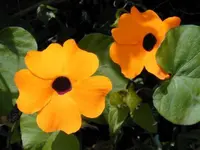
Many forms have orange outer petals with a dark, contrasting center ring; this acts as a visual nectar guide that helps bees and other pollinators locate the flower’s reward more efficiently.

In its native Namaqualand region of South Africa, mass germination of this species after good winter rains can create vast orange flower carpets so extensive they are visible from the air and have become a major seasonal ecological and tourism event.
Lack of flowers usually comes from insufficient light, overly rich or high‑nitrogen fertilizer, or warm nights above about 70°F. Deadhead spent blooms and avoid overwatering to keep energy going into buds instead of foliage.
Keep your plants happy and healthy with plant identification, disease detection, and easy care guidance.