Daylily Care (Hemerocallis 'Swirling Water')

About Daylily

Hemerocallis 'Swirling Water' is a deciduous perennial daylily grown mainly for its showy, flared flowers and clumping, arching foliage. It forms dense tufts that return each year from fleshy roots.

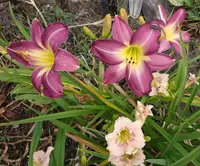
This cultivar produces multicolored blooms with swirling patterns, typically held on sturdy stems above the leaves. Flowers last a single day, but many buds open in sequence for an extended display.

Daylilies originate from East Asia but are now widely used in North American gardens and landscapes. They adapt well to a range of soils and are tolerant of urban conditions.

It suits beginners because it is robust, cold-hardy, and forgiving of minor care mistakes, which makes it easier to learn how to care for Daylily in mixed borders or mass plantings.

Main Plant Requirements

Care Difficulty

Easy Care

Light Preference

Full Sun

Water Requirements

Moderate Water

Temperature Preference

Cold Hardy

Hardiness Zone

3–9

Soil Texture

Loamy, Sandy, Clay

Soil pH

Acidic (5.5–6.5), Slightly acidic (6.5–7.0)

Soil Drainage

Moist but well-drained

Fertilization

Minimal (feed rarely)

Get Personalized Care Plan

Scan your plant to receive care tips personalized for your specific plant

Available on iOS and Android

How to Care for the Daylily

Hemerocallis 'Swirling Water' flowers best in full sun but tolerates some light shade, especially in hotter regions.

  • Provide 6–8 hours of direct sun daily, ideally with strong morning sun and some protection from intense late-afternoon sun in hot climates.
  • Allow light or dappled shade in the afternoon; in very hot zones this helps prevent leaf scorch and faded flower color on this Daylily.
  • In cooler climates, choose an open south or west-facing position; avoid dense shade where foliage elongates, blooms decrease, and plants become weak.

Hemerocallis 'Swirling Water' prefers evenly moist, well-drained soil rather than constant wetness or long dry spells.

  • Water deeply when the top 3–5 cm of soil feels dry, soaking the root zone so moisture reaches 15–20 cm deep, then allow the surface to dry slightly.
  • In spring and flowering season, increase watering during dry periods; in cool or rainy weather, reduce frequency to avoid soggy, airless soil.
  • Watch for yellowing, limp foliage as a sign of overwatering and crisp, browning leaf tips or stalled buds as signs the plant is staying too dry.

This perennial tolerates a wide temperature range but grows and flowers best within moderate, stable conditions.

  • Active growth is strongest around 65–80°F (18–27°C); expect faster foliage and bud development when nights stay above about 55°F (13°C).
  • Established plants tolerate winter lows near 0°F (−18°C) in the ground with mulch, dying back above ground but regrowing from hardy roots in spring.
  • In summer heat above 90°F (32°C), flowering usually continues if soil moisture is maintained, though blooms may be shorter-lived and foliage can scorch in full, reflected sun.

Humidity is not critical for Hemerocallis 'Swirling Water', which adapts well to typical outdoor air levels.

Hemerocallis 'Swirling Water' grows best in moderately fertile, loose ground that drains well yet retains some moisture.

  • Use a loamy mix with roughly equal parts garden soil, compost, and coarse sand to balance moisture retention and drainage.
  • Aim for slightly acidic to neutral pH around 6.0–7.0, avoiding strongly acidic or alkaline sites that limit nutrient uptake.
  • In heavy clay, amend the top 20–30 cm with compost and coarse sand or fine gravel to improve aeration and root penetration.
  • Avoid compacted, waterlogged, or very shallow soils, which encourage root rot and reduce flowering performance.

This cultivar is suitable for container growing when the pot is chosen to support its fleshy root system and seasonal growth.

  • Select a container at least 30–35 cm deep to accommodate thick, fibrous roots and maintain more even moisture between waterings.
  • Use a heavier material such as ceramic or thick plastic to keep the clump stable as foliage and flower stalks become tall and weighty.
  • Raise the container on pot feet or bricks so drainage holes stay clear, preventing water from pooling under the base after rain or irrigation.

This cultivar responds well to modest feeding but does not need heavy fertilization.

  • Apply a balanced slow-release fertilizer (around 10-10-10 or 14-14-14) once in early spring as new growth appears.
  • Supplement with a light application of compost around the clump during the growing season to support flowering in this Daylily.
  • During midsummer, use a half-strength balanced liquid feed only if growth seems weak or flowering is sparse.
  • Stop feeding in late summer and do not fertilize during fall and winter dormancy to avoid soft, frost-sensitive growth.

Pruning helps Hemerocallis 'Swirling Water' stay tidy and channel energy into new blooms and strong foliage.

  • Deadhead spent flowers daily or as they fade, cutting just above the scape node to encourage further blooming.
  • Remove yellowing or damaged leaves at the base throughout the season to improve air circulation and reduce disease risk.
  • After flowering, cut back spent flower scapes near ground level using clean, sharp pruners or scissors.
  • In late fall or early spring, shear away dead foliage to maintain a clean clump and promote vigorous new growth.

This daylily is usually grown in the ground and benefits from occasional lifting and dividing rather than frequent repotting.

  • Check clumps every 3–5 years; crowded fans, reduced flowering, or a tight root mass indicate a need to lift and divide.
  • Transplant or divide in early spring or immediately after flowering, allowing roots time to re-establish before heat or frost.
  • Dig up the clump carefully, shake off soil, and gently separate fans, keeping several healthy roots attached to each division.
  • Replant divisions at the same depth, water thoroughly, and keep soil evenly moist for 2–3 weeks to limit transplant stress.

Division is the standard method for propagating Hemerocallis 'Swirling Water' while keeping cultivar traits true.

  • Divide mature clumps every 3–5 years in early spring or late summer when temperatures are moderate.
  • Lift the entire clump with a fork, then tease apart fans by hand or cut with a clean knife, keeping strong roots intact.
  • Trim foliage to 15–20 cm to reduce transpiration, then replant divisions at original depth in well-drained soil.
  • Water divisions thoroughly and maintain consistent moisture and light mulch until new growth shows firm establishment.

This daylily is cold hardy in most temperate gardens and generally needs minimal winter care.

  • After hard frost, allow foliage to die back, then cut it to ground level to reduce pest and disease carryover.
  • Apply a 5–7 cm mulch layer over the root zone in late fall, especially in colder zones or exposed sites.
  • In containers, move pots to a sheltered, unheated area and keep soil slightly moist so roots do not dry out completely.

Care Tips

Deadhead With Care

Remove spent blooms daily by snapping or cutting the flower stem just below the ovary to reduce seed set and push energy into new scapes and roots instead of seed production.

Divide On Schedule

Split crowded clumps every 4–6 years in early spring or late summer, trimming foliage to 10–15 cm and replanting divisions at the same depth to keep flowering performance high and avoid center die-out.

Mulch For Consistency

Apply a 5–7 cm layer of bark or shredded wood mulch around, but not touching, the crowns to stabilize soil moisture and temperature and to reduce weed competition around the clump.

Scape Removal Timing

Cut flower scapes back to the base once all buds on that scape have finished to keep the plant tidy and reduce disease harboring tissue while leaving green leaves to photosynthesize through the season.

Check Foliage Health

Inspect leaves every 1–2 weeks during the growing season for streaks, spots, or distorted growth, and promptly remove and discard affected fans to slow the spread of daylily rust or other foliar diseases when caring for Daylily in mixed borders.

Common Pests and Diseases

Daylily rust

This disease causes orange to yellow powdery pustules on leaves, leading to reduced vigor and premature leaf dieback. Symptoms include narrow streaks or spots that release rust-colored spores when rubbed.

Solution

Remove and discard heavily infected foliage and any fallen leaves to reduce spore spread, and avoid overhead watering to keep leaves as dry as possible. Improve spacing and airflow, and in areas where rust is persistent, use a labeled systemic fungicide for daylilies, rotating active ingredients to limit resistance.

Daylily leaf streak

This disease produces yellow streaks starting at leaf tips that progress to brown, elongated lesions along the midrib. Symptoms include blighted, dried leaf tips and a general ratty appearance of the foliage.

Solution

Promptly remove and discard affected leaves to lower the amount of fungal spores and keep the plant looking cleaner. Water at soil level in the morning, improve airflow, and in severe or recurring cases apply a registered foliar fungicide according to label directions as part of broader Daylily care instructions.

Aphids

These insects cluster on scapes, buds, and young foliage, sucking sap and causing curling, distortion, and sticky honeydew deposits. This pest can also attract ants and promote black sooty mold growth on leaves and buds.

Solution

Wash colonies off with a strong stream of water, repeating as needed, and prune off heavily infested soft growth. If populations remain high, use insecticidal soap or a light horticultural oil, making sure to cover undersides of leaves and flower scapes while avoiding application in full hot sun.

Spider mites

These pests are tiny sap feeders that thrive in hot, dry conditions and cause stippled, dull foliage with fine webbing, especially on lower leaves. Symptoms include bronzing or yellowing of leaves and premature leaf drop in severe infestations.

Solution

Rinse foliage thoroughly with water, focusing on leaf undersides, and repeat several times per week to disrupt the mite life cycle. Increase humidity around the plants if possible and, when needed, apply a horticultural oil or miticide labeled for ornamental use, alternating products to maintain effectiveness.

Crown rot (daylily rust-associated complex)

This disease complex leads to soft, brown, rotting tissue at the crown, often following stress from rust or repeated foliage infections. Symptoms include stunted growth, yellowing fans, and easy crown collapse when gently pulled.

Solution

Dig up and discard severely affected plants, and inspect remaining clumps, cutting back to firm, white tissue with a clean knife. Replant only healthy divisions in well-drained soil, avoid overwatering and deep planting, and consider rotating the site or improving drainage before replanting daylilies there again.

Interesting Facts

Soft pastel bicolor bloom

This cultivar produces large, soft cream-to-pink flowers with a subtle lavender swirl pattern and a green throat, a color combination specifically selected by hybridizers rather than occurring in wild Hemerocallis species.

Extended flowering season

It is known among daylily growers for reblooming in suitable climates, sending up multiple flushes of scapes so that the garden display continues well beyond the short-lived individual flowers.

Stable modern hybrid

As a registered hybrid, it breeds true from division, meaning each clump maintains the same flower form, color pattern, and plant habit that were fixed by the original breeder through controlled crosses.

FAQs about Daylily

Lack of flowering is usually due to insufficient sun, overcrowded clumps, or depleted soil. Divide congested plants every 3–5 years, remove heavy shade if possible, and apply a balanced, low-nitrogen fertilizer in early spring.

Grow Healthy Plants with Botan Care

Keep your plants happy and healthy with plant identification, disease detection, and easy care guidance.

Botan plant care app — identify plants on mobile

Explore More Plants