Pinch Young Stems
Pinch out the soft tips of young plants once they reach 10–15 cm to encourage a bushier habit and more flowering stems instead of a few tall, floppy shoots.

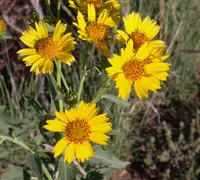
Golden crownbeard (Verbesina encelioides) is a fast-growing annual wildflower in the sunflower family, known for its bright yellow, daisy-like blooms. It often forms loose, bushy clumps with branching stems and rough, gray-green leaves.
This species is native to arid and semi-arid regions of North America but has naturalized in many warm, dry climates worldwide. It thrives in disturbed sites, roadsides, and open fields.
Golden crownbeard is generally easy to establish from seed and tolerates heat, drought, and poor soils, which can make it vigorous or even weedy. Understanding how to care for Golden Crownbeard starts with recognizing its preference for full sun, dry to moderately moist conditions, and well-drained soil.

Care Difficulty
Easy Care

Light Preference
Full Sun

Water Requirements
Low Water

Temperature Preference
Warm Climate

Hardiness Zone
7–11

Soil Texture
Sandy, Loamy, Rocky

Soil pH
Slightly acidic (6.5–7.0), Slightly alkaline (7.0–7.5)

Soil Drainage
Well-drained

Fertilization
Minimal (feed rarely)
Scan your plant to receive care tips personalized for your specific plant
Available on iOS and Android
This sun-loving annual thrives in bright, open sites with long daylight exposure.
This drought-tolerant species prefers infrequent, deep watering once established.
This warm-season annual grows best in hot, dry climates with mild winters.
This species tolerates a wide humidity range and does not need special humidity control.
This annual thrives in lean, well-drained, sandy to loamy soil.
This species can be grown in containers if the pot is prepared for its tall, somewhat sprawling growth.
This tough wildflower needs minimal feeding, but light fertilization can support flowering in poor soils.
Pruning helps manage size and flowering of Verbesina encelioides in garden settings.
This annual or short-lived perennial is usually grown in the ground, so focus on careful transplanting rather than frequent repotting.
Propagation of Verbesina encelioides is most efficient from seed and often happens by self-sowing.
This species is generally grown as a warm-season annual and needs little dedicated winter care in most gardens.

Plant Health Check
Not sure what's wrong with your plant? Check your plant's health inside the app.
This annual quickly colonizes disturbed, sandy, or overgrazed soils across arid and semi-arid regions, especially in the southwestern United States and northern Mexico, and is considered an invasive weed in several countries where it has been introduced.
Its leaves contain compounds that can inhibit germination and growth of nearby plants when they decompose or are leached into the soil, giving it a competitive advantage in disturbed habitats.
Populations growing near mining and industrial areas have shown the ability to tolerate elevated levels of heavy metals in soil, which is why it has been studied for possible use in phytoremediation, the use of plants to help rehabilitate polluted sites.

The seeds are a major food source for some desert granivorous birds and rodents, yet the plant’s chemical defenses and rough foliage make it largely unpalatable to many grazing livestock, which helps it persist and spread in heavily grazed rangelands.
This species self-seeds heavily and can spread quickly, especially in disturbed or open ground. Deadhead spent flowers before seeds mature and thin unwanted seedlings early if you want to limit its spread in gardens or wildflower areas.
Keep your plants happy and healthy with plant identification, disease detection, and easy care guidance.