Forest Elephantsfoot Care (Dioscorea sylvatica)

Also known as: Tortoise Plant
Forest Elephantsfoot

About Forest Elephantsfoot

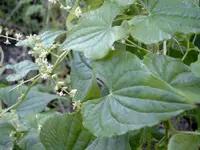
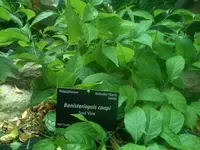
Forest elephantsfoot, Dioscorea sylvatica, is a caudiciform vine grown mainly for its unusual, woody tuber that sits partly above the soil. The thick, textured caudex stores water and supports slender climbing stems with heart-shaped leaves.

This species is native to forested regions of southern Africa, where it grows in dappled light and seasonally dry conditions. It is slow-growing and long-lived, which makes it attractive to collectors but less instant for impatient growers.

The need for support to climb, a careful balance of moisture, and protection from cold means it suits patient indoor growers. Understanding how to care for Forest Elephantsfoot helps maintain a healthy caudex and steady vine growth.


Main Plant Requirements

Care Difficulty

Hard Care

Light Preference

Partial Shade

Water Requirements

Moderate Water

Temperature Preference

Tropical / Frost Sensitive

Hardiness Zone

10–11

Soil Texture

Sandy, Loamy, Organic-rich

Soil pH

Acidic (5.5–6.5), Slightly acidic (6.5–7.0)

Soil Drainage

Well-drained

Fertilization

Light (every 4–6 weeks)

Get Personalized Care Plan

Scan your plant to receive care tips personalized for your specific plant

Available on iOS and Android

How to Care for the Forest Elephantsfoot

This caudiciform vine prefers bright, gentle light that mimics dappled woodland sun.

  • Provide 3–5 hours of soft morning sun with bright, filtered light the rest of the day; avoid harsh afternoon sun, especially in hot climates.
  • Tolerates partial shade, but very low light causes weak, elongated vines and small leaves; move gradually to brighter exposure if growth is sparse.
  • Outdoors, give Forest Elephantsfoot light shade under open trees; in summer heat, protect from sun above 85°F (29°C) to prevent leaf scorch and caudex overheating.

Watering Dioscorea sylvatica must respect its seasonal growth and dormant phases.

  • During active growth, water only when the top 3–5 cm of soil are dry; soak thoroughly, then let excess drain away to protect the caudex from rot.
  • In dormancy, after the vine yellows and dies back, reduce watering sharply and let the mix dry almost completely, giving only light sips every few weeks.
  • Use a fast-draining, gritty soil; signs of overwatering include soft spots or mold on the caudex, while deep wrinkling and very light weight indicate underwatering.

This species prefers warm, frost-free conditions with a distinct resting period in cooler seasons.

  • Aim for 65–80°F (18–27°C) during active growth, which supports steady vine and leaf development without stress.
  • Protect from cold below 45°F (7°C); brief dips to 40°F (4°C) may be survived by the caudex but can damage foliage and trigger early dormancy.
  • Avoid frost entirely and provide shade plus airflow if temperatures exceed 90°F (32°C), as extreme heat can scorch leaves and overheat the exposed caudex.

This caudiciform vine tolerates a wide humidity range but grows best with moderately moist air.

  • Aim for 40–60% humidity; typical indoor levels are usually adequate for Forest Elephantsfoot.
  • Leaves that curl, brown at the tips, or feel papery can indicate air that is too dry or hot drafts.
  • Increase humidity with a nearby pebble tray or grouping plants, rather than misting the foliage directly.

This species prefers a sharply drained, airy mix that prevents the caudex from sitting in prolonged moisture.

  • Use a sandy or gritty, organic-lean soil such as 40% cactus mix, 40% pumice or perlite, and 20% fine bark or compost.
  • Ensure fast drainage so water runs through within seconds, protecting the underground caudex from rot.
  • Target slightly acidic to neutral pH, around 6.0–7.0, which supports root health and nutrient uptake in Dioscorea sylvatica.
  • Avoid heavy, compacted, or clay-based substrates and avoid mixes that stay wet for more than 2–3 days.

This species is well suited to container culture due to its compact caudex and seasonal vine growth.

  • Select a pot wide and shallow rather than deep so the caudex sits near the surface and does not stay in a wet zone.
  • Choose a heavier material like ceramic if the climbing vine makes the container top-heavy on supports.
  • Raise the pot on feet or a stand so drainage holes never sit in a saucer of retained water.

Dioscorea sylvatica grows from a caudex and needs light, careful feeding to stay healthy without forcing soft, weak growth.

  • Use a balanced liquid fertilizer (around 10-10-10) at 1/4–1/2 strength during active vining in spring–summer.
  • Feed every 4–6 weeks only while new leaves are forming, skipping applications if growth slows or looks stressed.
  • Stop feeding in late summer as leaves yellow and the caudex enters dormancy; do not fertilize in winter.
  • For Forest Elephantsfoot in pots, flush the soil with plain water a few times each season to limit salt buildup.

Dioscorea sylvatica needs minimal pruning, mainly to manage the twining vine and keep growth tidy.

  • Cut back dead, yellowing, or damaged stems at the base at the end of the growing season.
  • Lightly shorten overly long or tangled vines in late spring to improve shape and light penetration.
  • Use clean, sharp scissors or snips to avoid tearing the thin stems and to reduce infection risk.
  • Avoid heavy pruning of green, healthy growth, as the caudex stores limited energy for each season.

This species forms a hard caudex and prefers stable conditions, so disturbance should be infrequent and gentle.

  • Check for roots circling the pot base, cracked containers, or very slow growth despite good care as signs it needs a larger pot.
  • Plan repotting or transplanting for late winter to early spring, just before new shoots emerge from the caudex.
  • Move up only 1 pot size, using a wide, shallow container with very free-draining mix to keep the caudex slightly raised.
  • Handle the caudex and roots carefully, keep them at the same depth, and water lightly afterward to limit shock and rot risk.

Dioscorea sylvatica is usually grown from seed, and propagation is slow but achievable with consistent warmth and moisture control.

  • Sow fresh seeds in late winter–spring in a shallow tray with sterile, free-draining mix kept at 70–80°F.
  • Cover seeds lightly, maintain gentle, even moisture, and provide bright, indirect light to encourage germination.
  • Once seedlings form small caudices and several leaves, pot individually into small, deep containers to avoid future disturbance.
  • Vegetative methods such as caudex division are risky and rarely used, as damage can lead to infection and loss of the plant.

This caudiciform vine is frost sensitive and needs specific winter care, especially in climates with cold, wet conditions.

  • Keep temperatures above 50°F; outdoor plants in cooler regions should be grown in containers and moved indoors for winter.
  • Allow vines to die back naturally, then keep the caudex dry to slightly barely moist, as excess winter moisture encourages rot.
  • In mild climates, use a coarse, dry mulch around but not covering the caudex to buffer temperature swings and heavy rain.

Care Tips

Seasonal vine management

Allow the vine to grow freely on a slim trellis or mesh during the active season, then remove and discard the dead vine once it naturally dries, leaving the caudex undisturbed to reduce rot risk and make space for next year’s growth.

Caudex exposure control

Sit the caudex half above the substrate line and brush away encroaching mix once or twice a year so the woody surface stays dry and well aerated, which lowers the chance of fungal problems and makes monitoring its condition easier.

Cool dry rest

Provide a distinct rest period after the vine yellows by keeping the caudex dry and cool at about 55–65°F for 2–3 months, which helps synchronize dormancy and encourages stronger regrowth in the next cycle when growing Forest Elephantsfoot.

Targeted pest checks

Inspect the twining stems and leaf undersides every 2–3 weeks for early signs of spider mites or mealybugs, especially in warm, dry rooms, and spot-treat with a cotton swab dipped in alcohol or a labeled horticultural soap before infestations reach the caudex.

Pot stability setup

Use a squat, heavy pot or add a top dressing of larger gravel around the base so the container remains stable as the vine climbs, preventing accidental tipping that could crack the caudex or damage its fine feeder roots.

Common Pests and Diseases

Tuber scale

This pest feeds on the woody caudex and underground tuber, sucking sap and leaving corky, yellowed, or sunken patches on the surface. Symptoms include slowed vine growth and poor leaf development despite normal watering and light.

Solution

Gently scrub the caudex and exposed tuber with a soft brush and lukewarm soapy water, then rinse and let dry thoroughly. For persistent infestations, apply a systemic insecticide labeled for ornamental vines to the soil according to directions and reduce overcrowding in the pot to keep the caudex dry and well ventilated.

Mealybugs

These insects gather in leaf axils, along the twining stems, and sometimes in fissures of the caudex, appearing as white cottony clusters. Symptoms include sticky honeydew, sooty mold on leaves, and gradual vine decline.

Solution

Dab visible mealybugs with cotton swabs dipped in 70% isopropyl alcohol and wipe affected areas, then rinse the plant after treatment. Isolate the plant, improve air movement around the foliage, and repeat spot treatments weekly until no new insects appear; for severe cases use a systemic insecticide suitable for indoor vines according to label instructions.

Spider mites

These pests prefer the thin, twining stems and small leaves, especially under warm, dry indoor conditions. Symptoms include fine webbing, stippled or silvery leaves, and premature yellowing and drop of foliage while the caudex still looks healthy.

Solution

Rinse vines and foliage thoroughly under a gentle shower, focusing on the undersides of leaves, then allow good drying with strong but indirect light. Increase humidity slightly around the foliage, avoid hot dry air, and use a labeled miticide or insecticidal soap in repeated applications if webbing and stippling persist as part of Dioscorea sylvatica plant care.

Soft rot of caudex

This disease affects the thickened caudex when it stays wet and airless, leading to soft, water-soaked tissue, a sour smell, and collapse of the vine. Symptoms include dark, mushy areas on the caudex surface that spread inward.

Solution

Cut away all soft, discolored tissue with a sterile knife until only firm, clean tissue remains, then dust cuts lightly with a dry fungicidal powder or sulfur and let the plant dry in warm air before replanting in a sharply draining mix. Adjust watering so the caudex stays mostly dry, using a pot with large drainage holes and watering only when the substrate is almost completely dry.

Leaf spot

This disease appears on the seasonal foliage as small brown to dark purple spots that may merge, especially in humid or overcrowded conditions. Symptoms include premature yellowing and loss of leaves while the caudex stays firm and apparently healthy.

Solution

Remove and discard affected leaves, avoid wetting the foliage, and space plants so vines and leaves have good airflow. Allow the top layer of the substrate to dry between waterings, keep the caudex itself dry, and use a broad-spectrum fungicide labeled for ornamental vines if new spots continue to appear despite improved cultural conditions.

Interesting Facts

Underground caudex strategy

This species forms a partly underground, turtle-shell-like caudex that stores water and carbohydrates, allowing it to survive long dry seasons in its native South African habitats.

Seasonally deciduous vine

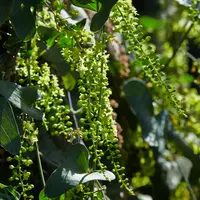
The plant produces a slender, twining vine with heart-shaped leaves during the growing season, then naturally sheds its foliage and may appear lifeless when it enters dormancy in the dry or cool season.

Sexes on separate plants

It is dioecious, meaning individual plants are either male or female, so both sexes must be present in the same area for viable seed production.

Botan icon

Did you know?

Dioscorea sylvatica is considered threatened in parts of its native range because wild populations have been heavily reduced by overharvesting of its unusual caudex and habitat loss, making conservation and responsible cultivation important for the species’ long-term survival.

FAQs about Forest Elephantsfoot

Growth is slow. The caudex enlarges only a few millimeters per year, and vines may extend 30–150 cm in a season. Patience is essential when trying to grow Dioscorea sylvatica to a noticeable size.

Grow Healthy Plants with Botan Care

Keep your plants happy and healthy with plant identification, disease detection, and easy care guidance.

Botan plant care app — identify plants on mobile

Explore More Plants