Pinch For Bushiness
Lightly pinch back soft shoot tips in late winter and early spring to encourage dense, branching growth and more flower-bearing stems.

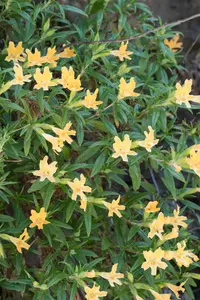
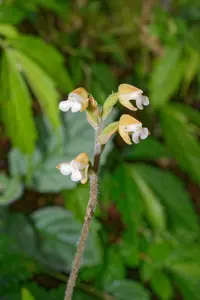
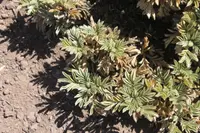
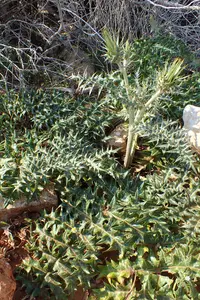
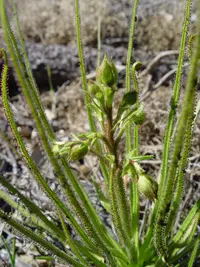
Southern bush monkeyflower (Diplacus longiflorus) is a small, shrubby perennial native to dry slopes and coastal scrub of California and northern Baja California. It typically forms a compact mound with narrow, evergreen leaves and showy tubular flowers that range from yellow to orange. These flowers attract hummingbirds and native pollinators, giving the plant strong value in wildlife gardens. Diplacus longiflorus is adapted to poor, well-drained soils and seasonal drought, which generally makes it low-maintenance once established. Understanding how to care for southern bush monkeyflower starts with providing sun, good drainage, and avoiding excessive summer watering.

Care Difficulty
Moderate Care

Light Preference
Full Sun

Water Requirements
Low Water

Temperature Preference
Warm Climate

Hardiness Zone
9–11

Soil Texture
Sandy, Loamy, Rocky

Soil pH
Slightly acidic (6.5–7.0), Neutral (7.0)

Soil Drainage
Well-drained

Fertilization
Minimal (feed rarely)
Scan your plant to receive care tips personalized for your specific plant
Available on iOS and Android
Diplacus longiflorus grows best in bright, direct conditions similar to its native coastal and foothill habitats.
This shrub prefers slightly dry, fast-draining conditions once established.
This species is adapted to mild, Mediterranean-type climates with warm, dry summers and cool, frost-light winters.
This coastal shrub handles a wide humidity range but prefers moderately dry air.
Diplacus longiflorus prefers sharply draining, sandy to gravelly soil that does not stay wet.
This species can be grown in containers if drainage and root space are carefully managed.
This drought-tolerant native shrub needs only light feeding to support flowering in lean soils.
Targeted pruning helps Diplacus longiflorus stay compact and extend its flowering performance.
This shrub is usually grown in the ground, so focus on careful transplanting rather than frequent repotting.
Diplacus longiflorus is commonly propagated from both semi-ripe cuttings and seeds under suitable conditions.
This species tolerates mild, frost-free climates but benefits from simple winter precautions in cooler regions.

Plant Health Check
Not sure what's wrong with your plant? Check your plant's health inside the app.
This species is native to dry slopes and coastal scrub of southern California, especially in Los Angeles and Orange counties, where it is adapted to sandy and rocky soils with low fertility.
Its long, tubular yellow to orange flowers produce nectar that supports native pollinators such as hummingbirds and certain long-tongued bees during late spring and summer in Mediterranean-type climates.
The plant shows strong tolerance to seasonal drought and heat typical of coastal southern California, often surviving long dry periods by slowing growth once the rainy season ends.

Diplacus longiflorus is considered part of the coastal sage scrub community, a highly threatened habitat type in southern California, so cultivating it in gardens can indirectly support regional conservation of this imperiled ecosystem.
In mild climates this shrub can flower from late spring through summer and often again in early fall. Light pruning of spent stems and avoiding heavy summer fertilization helps maintain repeat flushes of tubular blooms.
Keep your plants happy and healthy with plant identification, disease detection, and easy care guidance.