Mole-Ladder Care (Diplazium sibiricum)

Mole-Ladder

About Mole-Ladder

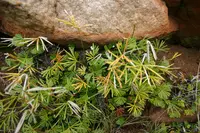
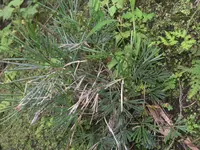
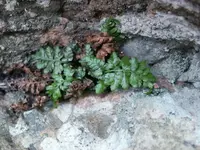
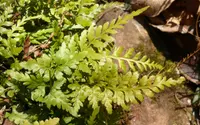
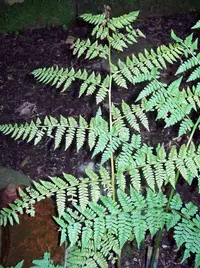
Mole-Ladder (Diplazium sibiricum) is a hardy deciduous fern known for its finely divided, ladder-like fronds that form graceful, upright clumps. It creates a soft, textured look in shaded plantings.

This species occurs naturally in cool, moist forests and streamside habitats across parts of northern Asia and eastern Europe. It prefers sheltered positions with consistent moisture and humus-rich, well-drained soil.

Gardeners generally find it moderate in difficulty, as it dislikes drying out and strong sun but tolerates cold well once established. Understanding how to care for Mole-Ladder mainly involves providing stable shade and even moisture without waterlogging.

Main Plant Requirements

Care Difficulty

Moderate Care

Light Preference

Partial Shade

Water Requirements

Keep Soil Moist

Temperature Preference

Cool Climate

Hardiness Zone

4–7

Soil Texture

Loamy, Silty, Organic-rich

Soil pH

Acidic (5.5–6.5)

Soil Drainage

Moist but well-drained

Fertilization

Minimal (feed rarely)

Get Personalized Care Plan

Scan your plant to receive care tips personalized for your specific plant

Available on iOS and Android

How to Care for the Mole-Ladder

This fern prefers cool, shaded woodland-style light with brief gentle sun at most.

  • Provide 2–4 hours of soft morning sun with bright dappled or filtered light the rest of the day; avoid direct afternoon sun for Mole-Ladder.
  • Site Diplazium sibiricum under open shrubs, trees, or on the north or east side of buildings where it receives consistent partial to full shade.
  • Watch fronds for stress: pale, scorched, or crisp edges indicate too much sun, while sparse, stretched fronds suggest insufficient light.

This species needs steadily moist but not waterlogged soil to maintain healthy fronds.

  • Water when the top 2–3 cm of soil feel slightly dry, then moisten the root zone thoroughly without leaving standing water.
  • Use humus-rich, well-drained soil; add leaf mold or compost to help retain moisture while allowing excess water to drain away from Diplazium sibiricum.
  • In hot, dry periods check soil every 1–2 days; drooping, crisp tips indicate underwatering, while yellowing, limp fronds and sour-smelling soil suggest overwatering.

This fern is adapted to cool, temperate climates and tolerates significant cold once established.

  • Active growth occurs around 55–70°F (13–21°C); it handles brief summer warmth up to about 80°F (27°C) if soil stays evenly moist and the site is shaded.
  • Dormant crowns usually survive winter down to about 0°F (−18°C) under snow or mulch, though young plants benefit from extra leaf litter protection.
  • During heat waves above 80–85°F (27–29°C), increase shade, maintain soil moisture, and use mulch to keep roots cooler and reduce temperature swings.

This fern prefers consistently moist air and reacts quickly to very dry conditions.

  • Aim for 60–80% humidity to mimic its woodland habitat and keep fronds lush.
  • Tolerates short dips near 40–50%, but frond tips may brown and curl from persistent dry air.
  • Increase humidity with a pebble tray or grouped plants, and avoid strong drafts or direct heater airflow around Mole-Ladder.

This species prefers a loose, moisture-retentive yet well-drained substrate rich in organic matter.

  • Use a mix of 50–60% peat or coco coir, 20–30% compost, and 20–30% perlite or fine bark for structure and drainage.
  • Aim for slightly acidic to neutral pH (5.5–7.0), which supports nutrient availability for Diplazium sibiricum.
  • Ensure the mix stays evenly moist but never waterlogged by avoiding heavy clay, unamended garden soil, or compacted substrates.
  • Improve aeration by incorporating chunky particles like bark fines and by gently loosening the top 2–3 cm if it starts to crust.

This fern adapts well to container culture when moisture and stability are managed carefully.

  • Select a pot slightly wider than the root mass but not overly deep to keep the root zone evenly moist without stagnation.
  • Choose a stable, heavier container if grown outdoors, as arching fronds can make light pots tip in wind.
  • Use a pot material with moderate moisture retention, such as glazed ceramic or thick plastic, to reduce rapid drying in warm conditions.

This woodland fern needs only modest feeding when grown in garden or container conditions.

  • Apply a light dressing of compost or leaf mold around the crown in early spring to mimic natural forest soil enrichment.
  • Use a diluted balanced liquid fertilizer (around 1/4–1/2 strength, such as 10-10-10) every 4–6 weeks in spring–summer for potted Mole-Ladder.
  • Stop feeding in fall and winter to allow natural dormancy and avoid forcing weak, elongated fronds.
  • Always water before applying fertilizer to reduce the risk of root burn in confined containers.

Pruning needs for Diplazium sibiricum are minimal and mainly hygienic.

  • Cut off dead, yellowing, or damaged fronds at the base using clean, sharp scissors or hand pruners.
  • Remove crowded inner fronds in early spring to improve air flow and reduce fungal issues in humid sites.
  • Avoid heavy cutting into the crown, as this can slow recovery and reduce the plant’s full, arching form.
  • Collect and discard diseased fronds rather than composting to limit spread of foliar problems.

This fern is usually grown in the ground, but container plants and crowded clumps benefit from occasional transplanting.

  • Look for roots circling the pot, water running straight through, or slowed growth as signs a container plant needs a larger home.
  • Plan repotting or dividing and transplanting for early spring, just as new croziers start to emerge but before heat builds.
  • Expect to move container plants every 2–3 years into a pot 2–5 cm wider, using loose, humus-rich, slightly acidic mix.
  • Handle roots gently, keep the crown at the same depth, water thoroughly, then shade and keep evenly moist for 1–2 weeks to reduce stress.

This fern is most practically increased by division of established clumps rather than by spores.

  • Divide mature Diplazium sibiricum in early spring when new fronds just show at the soil surface.
  • Lift the clump carefully, then split into several sections, each with healthy roots and at least 2–3 viable buds.
  • Replant divisions at original depth in moist, humus-rich soil and water well to settle soil around roots.
  • Maintain high, even moisture and light shade until strong new fronds expand, then resume routine care.

This fern is cold hardy in many temperate climates and generally needs only light winter care outdoors.

  • Tolerates freezing temperatures when established, but young plants benefit from extra protection in the first 1–2 winters.
  • Apply a 5–8 cm mulch of leaf mold or compost around the root zone after the ground cools, keeping mulch off the crown.
  • Allow fronds to die back naturally; they can be left as a light insulating layer, then removed in late winter.
  • Move container plants into a sheltered, frost-free but cool spot, keeping the soil just slightly moist, not wet.

Care Tips

Cool root zone

Mulch lightly with fine bark or leaf mold to keep the root zone cool and moist while avoiding heavy piles against the crown, which can cause rot.


Gradual site shifts

If moving a clump to a new location, first heel in a small test division in similar conditions for one season to confirm the site is cool and evenly moist before relocating the main plant.

Divide for vigor

Lift and divide crowded clumps in early spring, keeping several fronds or buds per division and replanting at the same depth to maintain vigor and reduce stress on older crowns.

Slug and snail management

Protect emerging croziers (young coiled fronds) with physical barriers like copper tape or coarse grit around the planting area, since tender new growth is especially attractive to slugs and snails.

Winter crown protection

In colder regions, leave fallen deciduous leaves or add a very loose layer of leaf litter over the crown after hard frosts to buffer freeze–thaw cycles without smothering the fronds, which supports long-term success when growing Mole-Ladder.

Common Pests and Diseases

Fern aphids

This pest feeds on young fronds and midribs, causing distortion, puckering, and sticky honeydew deposits that can lead to sooty mold on Diplazium sibiricum. Symptoms include slowed frond expansion and clusters of soft-bodied insects on the undersides of leaves or along the rachis (central frond stem).

Solution

Rinse fronds thoroughly with a strong but controlled stream of water, focusing on undersides and tender growth, and repeat every few days until populations drop. For persistent infestations, spot-treat colonies with a dilute insecticidal soap or horticultural oil, applied in the cool part of the day, and improve site ventilation to discourage re-infestation.

Fern scale

This pest appears as small, flat or dome-shaped bumps along the rachis and lower frond surfaces, where it sucks sap and causes gradual yellowing and thinning of the fronds. Symptoms include a patchy, faded appearance and weakened growth, often starting on older fronds in shaded, humid pockets around the clump.

Solution

Manually scrape or wipe off visible scales with a cotton pad dipped in diluted alcohol or soapy water, then rinse the plant gently. In heavier cases, use a horticultural oil spray targeted to the infested areas, ensuring thorough coverage while avoiding application during high heat or direct midday sun, and remove badly affected fronds to reduce the population.

Fern rust

This disease shows as orange to brown pustules or powdery spots on the undersides of mature fronds, sometimes with yellowing patches visible from above. Symptoms include premature browning and shedding of fronds, especially in plantings with poor air movement and prolonged leaf wetness.

Solution

Remove and discard affected fronds promptly to reduce spore spread, and avoid overhead watering so fronds dry quickly. Increase spacing and airflow around clumps, and in severe, recurring cases, apply a fern-safe fungicide labeled for rust, following label rates and timing carefully.

Bacterial blight

This disease causes water-soaked, translucent lesions on fronds that expand into irregular brown or black patches with a soft, collapsing texture. Symptoms include rapid deterioration of affected fronds, often starting where water sits on the leaf surface in warm, stagnant conditions.

Solution

Cut off and discard infected fronds with clean tools, disinfecting blades between cuts, and avoid misting or leaving water on the foliage. Improve air circulation, reduce crowding around the plant, and water only at the base so the soil is moist but the fronds stay dry, which is essential for good Diplazium sibiricum plant care.

Interesting Facts

Siberian stream specialist

This fern naturally occurs along cold, rocky mountain streams and shaded ravines in parts of Siberia and Northeast Asia, where it grows in persistently moist, cool soils with clean running water nearby.

Deciduous fern strategy

Unlike many evergreen ferns of milder climates, this species is summer-green to deciduous in its native cold regions, allowing fronds to die back and crowns to resist long, harsh winters under snow cover.

Tolerance of low temperatures

In its native range this fern endures very low winter air temperatures, surviving due to protected rhizomes in the soil and insulating snow, which makes it notably cold-hardy compared with many related Diplazium species.

FAQs about Mole-Ladder

Brown tips or margins usually result from low humidity, excess fertilizer salts, or inconsistent watering. Reduce feed strength, flush the soil occasionally, and maintain steady moisture with higher ambient humidity to prevent further tissue damage.

Grow Healthy Plants with Botan Care

Keep your plants happy and healthy with plant identification, disease detection, and easy care guidance.

Botan plant care app — identify plants on mobile

Explore More Plants