Diplomitoporus flavescens Care

Diplomitoporus flavescens

About Diplomitoporus flavescens

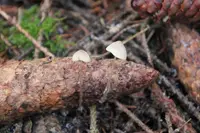
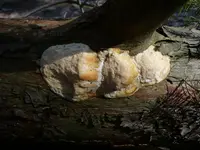
Diplomitoporus flavescens is a crust fungus, not a leafy houseplant. It forms thin, flat, cream to yellowish fruiting layers on dead wood, especially conifer logs. The surface often appears smooth to slightly bumpy and tightly attached to the substrate, rather than forming caps or stems.

This species occurs mainly in temperate forests of Europe, Asia, and North America, where it helps decompose fallen trunks and branches. In cultivation it is rarely grown on purpose and is best considered a specialist wood-decayer, so how to care for Diplomitoporus flavescens is mostly relevant to fungus enthusiasts working with sterilized wood substrates and stable, cool, moist conditions.

Main Plant Requirements

Care Difficulty

Moderate Care

Light Preference

Partial Shade

Water Requirements

Moderate Water

Temperature Preference

Warm Climate

Hardiness Zone

Unknown

Soil Texture

Loamy, Organic-rich

Soil pH

Slightly acidic (6.5–7.0)

Soil Drainage

Well-drained

Fertilization

Minimal (feed rarely)

Get Personalized Care Plan

Scan your plant to receive care tips personalized for your specific plant

Available on iOS and Android

How to Care for the Diplomitoporus flavescens

This crust-forming wood fungus prefers low to moderate light that mimics shaded forest conditions.

  • Site on the shaded side of logs or stumps, with dappled or indirect light for most of the day rather than direct sun.
  • Aim for 1–3 hours of weak morning sun at most; strong midday or afternoon sun can dry wood substrates and slow growth of Diplomitoporus flavescens.
  • In summer, increased canopy shade helps maintain moisture; in winter, brief indirect light is acceptable as long as the wood does not desiccate.

Moisture balance is critical because this species relies on consistently damp but not waterlogged wood.

  • Use well-drained, decaying hardwood that stays evenly moist; the surface should feel damp but not dripping when squeezed.
  • Allow the outer 2–5 mm of the wood surface to lose its wet sheen before misting or lightly rewetting, avoiding standing water around the substrate.
  • Reduce moisture inputs in cooler seasons to prevent sour or rotten smells, soft collapse of tissue, or slimy growths that indicate overwatering of the wood.

This wood-decaying fungus is adapted to cool to mild climates with moderate seasonal variation.

  • Optimal growth occurs around 50–68°F (10–20°C), with steady moisture; strong colonization typically slows outside this band.
  • The organism tolerates brief drops near 32°F (0°C) on wood but sustained hard freezes can halt activity until temperatures rise.
  • Heat above 77–80°F (25–27°C), especially with dry air, can stress the mycelium, so sheltered, humid, shaded sites are preferable in hot summers.

This wood-decay fungus is not suited to home cultivation and has no practical household humidity requirements.

In nature, this bracket fungus grows directly on dead or decaying wood rather than in soil.

  • Cultivation attempts should focus on providing well-decayed hardwood logs or thick branches instead of any soil-based medium.
  • If experimenting, choose non-resinous hardwood (such as beech, oak, or maple) with a firm yet decomposing structure that can hold moisture without becoming waterlogged.
  • Maintain the wood host evenly moist but not saturated to prevent anaerobic (oxygen-poor) conditions that inhibit fungal growth.
  • Avoid burying inoculated wood in dense or compacted soil, which can limit air exchange around the developing mycelium.

This species is not realistically suitable for conventional container growing.

This wood-decay fungus typically grows on dead hardwood and does not require supplemental fertilization in cultivation or in nature.

As a bracket-forming wood fungus, this species does not need horticultural pruning; management focuses on removing colonized wood if necessary.

This species naturally colonizes dead or dying wood and is not suited to conventional repotting; only substrate changes are relevant in culture.

  • Replace inoculated logs or wood blocks once they are heavily decomposed or fruited out, typically after several seasons.
  • Time transfers for late winter or early spring, before sustained warm, humid conditions promote new fruiting.
  • To move the culture, cut or saw colonized wood into sections and place onto fresh, compatible wood to allow gradual spread.
  • Avoid excessive drying or soaking during handling; maintain moderate, stable moisture to reduce stress on the fungal mycelium.

Propagation of Diplomitoporus flavescens is specialized and usually carried out only by mycologists or advanced growers using controlled techniques.

In its natural range this wood-decay fungus is cold hardy and normally needs no special winter care once established on outdoor wood.

Care Tips

Select suitable logs

Use freshly cut, disease-free hardwood logs or large branches with intact bark, as this sapwood-rich material supports faster colonization and more reliable fruiting.

Pre-drill colonization holes

Drill a regular grid of shallow holes or slots into the wood to increase surface area and entry points for the mycelium, which promotes more uniform spread through the substrate.

Maintain shaded placement

Place inoculated wood in consistent, dappled shade against a stable surface such as a fence or log stack to keep the substrate from drying and to mimic the fungus’s natural forest habitat.

Monitor moisture by weight

Lift or slightly tilt the wood pieces periodically and use their relative weight as a simple moisture check, rehydrating by soaking or heavy watering only when they feel noticeably lighter than when freshly wetted.

Retain natural bark cover

Avoid stripping bark from the substrate and instead allow mosses and lichens to develop, as this rough, insulated surface helps maintain a stable microclimate that supports growing Diplomitoporus flavescens on deadwood.

Common Pests and Diseases

Competing saprotrophic fungi

This disease involves other wood-decay fungi colonizing the same substrate and competing for the same wood resources. Symptoms include patchy, overlapping crusts or brackets of different colors and textures on the same log or board.

Solution

Remove and destroy wood sections with heavy mixed fungal growth if a pure culture of Diplomitoporus flavescens is desired, and start again with fresh, clean hardwood. Use well-seasoned, debarked, and, if possible, heat-treated or pressure-sterilized wood, and keep the culture in a sheltered, low-contamination environment with good airflow to reduce spore deposition from other fungi.

Wood-boring beetle larvae

These insects tunnel through the same dead hardwood that D. flavescens inhabits, breaking up the substrate and altering moisture levels. Symptoms include small round exit holes, frass (fine sawdust), and weakened, crumbly wood around the fungal crust.

Solution

Cut out and discard heavily bored sections of wood and keep remaining material drier at the surface but evenly moist inside by controlling exposure to rain and direct soil contact. Store inoculated wood on racks above ground, use tightly fitted mesh or netting around valuable culture logs, and avoid using timber that already shows beetle exit holes or fresh frass when starting to grow Diplomitoporus flavescens.

Mite grazing

These insects are actually tiny arachnids that feed on fungal tissue and spores, leading to pitted, uneven, or dulled pore surfaces on the crust. Symptoms include fine surface damage, patchy thinning of the fruiting layer, and sometimes small moving dots visible under close inspection.

Solution

Reduce mite pressure by improving hygiene around the culture area, removing decaying plant debris and old, heavily contaminated wood. Keep humidity moderate rather than constantly saturated, use fine mesh covers over small culture pieces if feasible, and, in controlled setups, isolate affected material and refresh it from clean source cultures to restore healthy fruiting surfaces.

Bacterial surface film

This disease occurs when bacteria colonize persistently wet wood and the fungal crust, forming slimy or greasy patches that can discolor or suffocate the pores. Symptoms include wet-looking, sometimes foul-smelling areas and reduced or distorted pore development.

Solution

Improve air movement around the substrate and prevent water from standing on the wood surface by adjusting orientation and shelter. Trim away heavily affected crust and allow the wood to dry slightly between wetting events, aiming for moist but not waterlogged conditions, and avoid direct soil contact that can increase bacterial contamination.

Interesting Facts

White resupinate crust

This species forms a thin, effused crust on dead wood rather than a cap-and-stem mushroom, with a smooth to slightly uneven white to cream hymenial surface that closely adheres to the substrate.

Soft, fragile texture

Unlike many woody polypores, its fruiting body is soft and fragile when fresh and becomes only moderately tough when dry, which assists microscopic preparation and identification.

Tiny angular pores

The fertile surface is covered with very small, angular pores that may be indistinct to the naked eye, and their size and shape, together with hyphal features, are key for distinguishing this species from similar white crust fungi.

FAQs about Diplomitoporus flavescens

This bracket fungus is not considered edible. It is tough, leathery, and lacks culinary value. There is limited toxicological data, so it should not be consumed. Treat it as inedible and avoid using it as food.

Grow Healthy Plants with Botan Care

Keep your plants happy and healthy with plant identification, disease detection, and easy care guidance.

Botan plant care app — identify plants on mobile

Explore More Plants