Substrate Layering
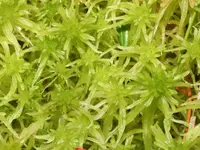
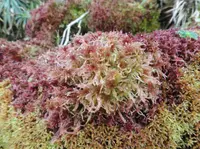
Create a thin, acidic, low-nutrient moss layer (such as finely shredded, well-rinsed sphagnum) over rocks or bark to mimic its natural bryophyte carpet and help Diplophyllum albicans attach and spread evenly.

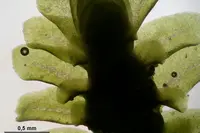
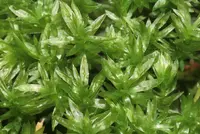
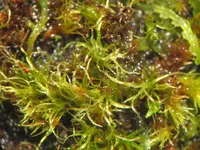
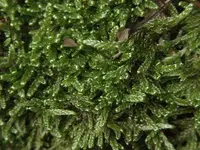
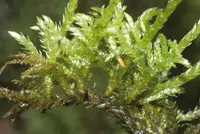
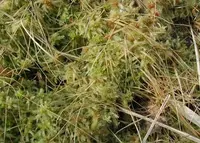
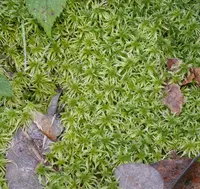
White earwort, Diplophyllum albicans, is a small leafy liverwort often found forming dense, soft mats on damp soil, rocks, or rotting wood. It is a non-vascular plant, meaning it lacks true roots and relies on surface moisture.
This species occurs mainly in cool, humid regions, especially in upland woodlands, heaths, and peaty slopes across parts of Europe and North America. It prefers shaded, consistently moist microhabitats with clean air, which makes indoor cultivation challenging.
Because it is sensitive to drying out and air movement, it is usually grown only by bryophyte specialists in controlled terrarium setups. Anyone wishing to care for White Earwort should focus on stable humidity, gentle light, and minimal disturbance.

Care Difficulty
Hard Care

Light Preference
Shade

Water Requirements
Keep Soil Moist

Temperature Preference
Cool Climate

Hardiness Zone
Unknown

Soil Texture
Peaty, Silty, Organic-rich

Soil pH
Strongly acidic (4.5–5.5)

Soil Drainage
Waterlogged tolerant

Fertilization
Minimal (feed rarely)
Scan your plant to receive care tips personalized for your specific plant
Available on iOS and Android
This moss prefers cool, shaded habitats with only brief gentle sun exposure.
This species thrives in constantly moist, never stagnant conditions.
This moss is adapted to cool, humid climates and dislikes temperature extremes.
This moss-like liverwort needs consistently high air humidity to stay hydrated and attached to its substrate.
This species prefers a constantly moist, fine-textured, organic substrate rather than typical potting soil.
This species can be grown in shallow containers or terrariums when high humidity and constant moisture are maintained.
Diplophyllum albicans usually thrives without additional fertilizer when grown on suitable moist, nutrient-poor substrates.
Diplophyllum albicans needs minimal pruning, mainly to maintain healthy, even mats in cultivation.
This liverwort is seldom grown in traditional pots, so care focuses on gentle transplanting of mats rather than frequent repotting.
In cultivation, Diplophyllum albicans is usually propagated by division rather than by spores, which are harder to manage.
This species is generally cold hardy in cool, moist temperate climates and usually requires little targeted winter care.

Plant Health Check
Not sure what's wrong with your plant? Check your plant's health inside the app.
Mature cushions often show conspicuously pale or whitish shoot tips caused by leaf cell oil bodies and air spaces, which help distinguish this species from similar leafy liverworts in the field.
This liverwort is strongly associated with humid, oceanic climates and is especially frequent in hyper-oceanic regions of western Europe, where persistent high humidity supports its growth on shaded rock and soil surfaces.
Populations are largely confined to areas with low atmospheric pollution, so its presence can act as a rough biological indicator of unpolluted, cool, moist habitats in montane and coastal landscapes.

Diplophyllum albicans is dioicous, meaning male and female reproductive organs grow on separate plants, and in many regions it reproduces mainly by vegetative spread rather than by producing visible sporophytes, which contributes to its often extensive but locally clonal mats.
This liverwort forms low, creeping mats that expand slowly across consistently moist, cool substrates. It is not considered aggressive, but in ideal conditions it can gradually carpet rock, soil, or decaying wood without smothering healthy neighboring plants.
Keep your plants happy and healthy with plant identification, disease detection, and easy care guidance.