Girgensohn's bog-moss Care (Sphagnum girgensohnii)

Also known as: Girgensohn's sphagnum, common green peat moss, white-toothed peat moss, Girgensohn's Peatmoss
Girgensohn's bog-moss

About Girgensohn's bog-moss

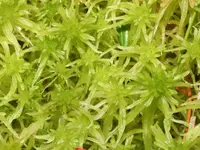
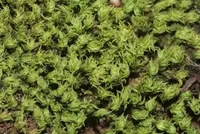
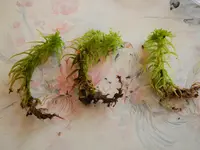
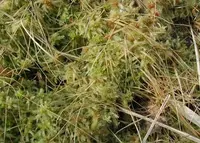
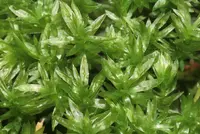
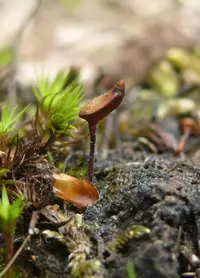
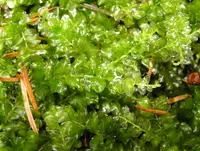
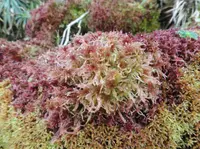
Girgensohn's bog-moss (Sphagnum girgensohnii) is a carpet-forming moss that builds thick, springy mats in cool, wet habitats. It is not a vascular plant and has no true roots, stems, or leaves, only tiny leaflike structures on delicate stems.

In nature it is common in boreal forests, peat bogs, and moist rocky slopes across northern Europe, Asia, and North America. Its dense growth holds large amounts of water, so it stays moist and creates a humid microclimate.

This species prefers constant moisture, acidic conditions, and soft, low-mineral water. For those learning how to care for Girgensohn's bog-moss, the main challenges are keeping it evenly wet, cool, and protected from strong direct sun and prolonged drying.

Main Plant Requirements

Care Difficulty

Moderate Care

Light Preference

Partial Shade

Water Requirements

Aquatic

Temperature Preference

Cool Climate

Hardiness Zone

2–8

Soil Texture

Peaty, Organic-rich, Silty

Soil pH

Strongly acidic (4.5–5.5)

Soil Drainage

Waterlogged tolerant

Fertilization

Minimal (feed rarely)

Get Personalized Care Plan

Scan your plant to receive care tips personalized for your specific plant

Available on iOS and Android

How to Care for the Girgensohn's bog-moss

This moss thrives in cool, consistently moist sites with soft, diffuse light rather than strong direct sun.

  • Provide bright shade or fully overcast conditions with no more than 1–2 hours of weak early-morning sun; avoid direct midday or afternoon sun that can scorch shoots.
  • Allow light levels similar to a forest floor or north-facing slope; Girgensohn's bog-moss stays greener and denser in filtered light under shrubs, grasses, or low tree canopy.
  • In summer, protect from intense exposure by using taller plants or site selection; in winter, low-angle sun is usually safe if the substrate stays wet and does not dry out.

This species demands constant moisture and is adapted to saturated, low-nutrient bog or seep conditions.

  • Keep the substrate saturated or very wet at all times; surface should glisten and never dry, with standing water often reaching the moss base but not burying the tips.
  • Use low-mineral, soft water if possible; brown, crispy tips and shrinking cushions suggest underwatering or high salts, while foul odor and decomposing stems indicate stagnant, low-oxygen water.
  • In warm, windy, or low-humidity weather, increase watering or flooding frequency so that any exposed top layer stays hydrated throughout the day, especially on raised hummocks.

This moss prefers cool to mild conditions and tolerates cold better than heat when moisture is constant.

  • Aim for 45–65°F (7–18°C) for strongest growth; it can still perform acceptably up to about 70°F (21°C) if humidity is high and the substrate remains saturated.
  • Tolerates winter cold well and can survive down to around 5–10°F (-15 to -12°C) under snow or ice cover, provided the bog or bed does not dry out during freeze–thaw cycles.
  • Heat above 75–80°F (24–27°C) can stress Sphagnum girgensohnii; increase shading, air movement, and watering during hot spells to prevent bleaching and collapse of the cushions.

This moss needs very high, stable humidity to stay actively growing and green.

  • Aim for 80–100% humidity, as the plant rapidly dehydrates in typical indoor air below 60%.
  • Dry, crisp tips, dull color, and slowed growth indicate humidity is too low for healthy Sphagnum girgensohnii.
  • Increase humidity with enclosed terrariums, covered trays with water beneath a mesh support, or by grouping containers inside a clear plastic dome.

This species prefers a loose, saturated, highly organic substrate rather than mineral soil.

  • Use almost pure, fibrous peat or long-fiber sphagnum packed loosely to keep structure open and spongy.
  • Maintain constant moisture with a waterlogged lower layer and a just-saturated upper layer that still holds air pockets.
  • Keep pH mildly acidic around 4.0–5.5, avoiding lime, wood ash, or calcareous gravel that push conditions toward neutral or alkaline.
  • Do not mix in heavy garden soil, clay, or rich compost, which collapse pore spaces and reduce oxygen around the moss stems.

This moss is suitable for shallow containers that hold constant moisture without strong water flow.

  • Choose wide, shallow trays so the mat can spread horizontally while all areas remain evenly moist.
  • Use containers without tall rims to prevent stagnant, airless pockets above the moss surface.
  • If using rigid plastic or glass, monitor closely, as these materials slow evaporation and can quickly turn the medium from saturated to anaerobic if overfilled.

This moss rarely benefits from added nutrients and in most cases Girgensohn's bog-moss should be grown with no fertilizer at all.

Pruning needs for Sphagnum girgensohnii are minimal and focus on hygiene rather than shaping.

  • Trim away dead, brown, or decaying segments whenever noticed to limit rot and fungal spread.
  • Lightly thin very dense patches by removing older inner strands to maintain airflow and stable moisture.
  • Use clean scissors or small snips and avoid cutting deeply into fresh, bright green growing tips.
  • After cutting, mist the area with clean, low-mineral water to reduce stress and encourage recovery.

Transplanting is mainly needed when the moss outgrows its tray or bog area or the substrate breaks down.

  • Move Sphagnum girgensohnii every 1–3 years or when growth becomes very dense, water drains poorly, or the mat lifts easily from the base.
  • Transplant in cool, moist weather or indoors in spring, keeping the moss shaded and consistently damp before and after moving.
  • Gently lift sections with as much attached substrate as possible and place them onto fresh, acidic, low-nutrient, water-retentive medium.
  • Firm sections lightly, water with soft or rainwater, and avoid direct sun and strong airflow for several days to limit stress.

Propagation of this species is straightforward and is usually done by division of living mats.

  • In spring or early summer, tear or cut healthy, bright green Sphagnum girgensohnii strands or clumps into smaller pieces.
  • Lay fragments on saturated, acidic, low-nutrient medium and press them gently to ensure good surface contact.
  • Maintain constant moisture with rainwater or distilled water and provide bright, indirect light and high humidity.
  • Avoid covering fragments deeply; a thin top layer of loose moss helps retain moisture without smothering new growth.

This moss is naturally cold hardy and usually needs little special winter attention outdoors.

  • In climates with freezing winters, allow natural dormancy; the moss may brown slightly but typically resumes growth in spring.
  • For container cultures, keep the substrate moist but not waterlogged when frozen to avoid structural damage to cells.
  • Move trays or terrariums to a cold, frost-free but bright place if containers are at risk of cracking from ice expansion.

Care Tips

Use rainwater baths

Periodically submerge the moss tray in clean rainwater or distilled water for 5–10 minutes, then drain fully to flush out accumulated minerals and fine debris that can slow growth.

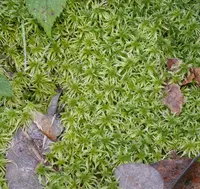
Create layered cushions

Build the colony in 2–3 loose layers rather than one dense mat, gently stacking strands so light and air can reach lower shoots and promote upright, fluffy cushion formation.

Rotate culture trays

Turn trays 90° every 1–2 weeks so all sides receive similar light exposure, which encourages even, upright growth instead of one-sided leaning or flattening.

Regular tip harvesting

Snip and replant only the top 2–3 cm of the healthiest green tips into fresh, saturated substrate to renew vigor and expand the colony while leaving older, browner bases as a moisture reservoir.

Cool-down management

During warm months, place trays over a shallow water-filled pebble layer or on the coolest shelf and increase airflow slightly, as moderate evaporative cooling helps when growing Girgensohn's bog-moss in indoor setups.

Common Pests and Diseases

Fungus gnat larvae

This pest lives in constantly wet moss and the larvae feed on decaying organic matter and delicate moss tissues. Symptoms include thinning green tips, weak new growth, and visible tiny white larvae in the saturated substrate.

Solution

Reduce standing water and allow the moss surface to drain between waterings while keeping it moist, not submerged. Use yellow sticky traps for adults, rinse and squeeze out heavily infested portions of the moss, and, if needed, apply a biological control containing Bacillus thuringiensis israelensis (BTI) to the water used for soaking the moss.

Algal overgrowth

This disease-like condition develops under constant high moisture, nutrient-rich water, and strong light, leading to a slimy green film that coats the moss surface. Symptoms include reduced moss vigor, loss of healthy structure, and patches where moss stops extending new capitula (growing tips).

Solution

Lower light intensity slightly, avoid any fertilizer or nutrient-rich water, and regularly flush the container with clean, low-mineral water. Manually remove slimy layers by gently rinsing and thinning the moss mat so more air and light reach the remaining healthy tissue.

Gray mold (Botrytis)

This disease appears in stagnant, overly humid setups with poor air exchange, especially when dead organic material accumulates among the moss. Symptoms include soft, brownish patches that collapse and develop a fuzzy gray mold on the surface.

Solution

Increase air movement and ventilation without allowing the moss to dry out, and promptly remove all moldy or dead moss with clean tools. Rinse the remaining healthy cushions with clean water, thin excessively dense clumps, and keep the container walls free of condensation by slightly lowering humidity or temperature.

Slugs and snails

These pests are attracted to constantly moist Sphagnum and feed on soft tissue, especially in outdoor or greenhouse setups. Symptoms include irregular chewing damage, missing clumps, and shiny slime trails on and around the moss.

Solution

Hand-pick slugs and snails at night, remove hiding spots such as loose debris around the container, and use physical barriers like copper tape on bench edges or pot rims. In outdoor bog beds, shallow beer traps or covered slug traps can reduce populations without contaminating the moss.

Desiccation damage

This physiological problem occurs when Sphagnum girgensohnii dries out, causing cells to collapse and lose their ability to rehydrate fully. Symptoms include bleached, straw-colored patches, brittle texture, and poor regrowth even after rewetting.

Solution

Maintain consistently moist to saturated conditions using rainwater or distilled water, avoiding any full drying of the moss layer. In exposed or indoor setups, use deeper trays, regular misting, and partial shading to keep humidity stable and to support Sphagnum girgensohnii plant care in the long term.

Interesting Facts

Boreal carpet former

This moss often dominates the ground layer in cool, moist conifer forests across the boreal zone, forming thick carpets that can slowly reshape local hydrology by holding water and creating raised, spongy hummocks.

Acidic microhabitat engineer

It acidifies its immediate environment through ion exchange, which helps exclude many competing plants and microorganisms and promotes the development of ombrotrophic bog conditions that depend mainly on rainwater inputs.

Cold-adapted growth pattern

Compared with several other Sphagnum species, it maintains relatively high photosynthetic activity at low temperatures, which contributes to its success in cool, shady forested wetlands and northern climates.

Botan icon

Did you know?

In permafrost and subarctic regions, long-persisting layers of this moss become part of the upper peat and can remain recognizable for centuries, providing paleobotanists with detailed records of past forest and climate conditions.

FAQs about Girgensohn's bog-moss

This species performs best outdoors in cool, consistently damp, acidic conditions, such as bog gardens or shaded water features. Girgensohn's bog-moss indoor care is possible only in controlled setups like terrariums, paludariums, or propagation trays with high humidity.

Grow Healthy Plants with Botan Care

Keep your plants happy and healthy with plant identification, disease detection, and easy care guidance.

Botan plant care app — identify plants on mobile

Explore More Plants