Gyromitra gigas Care (Discina montana)

Also known as: giants false morel, snow morel, snow false morel, calf brain, bull nose
Gyromitra gigas

About Gyromitra gigas

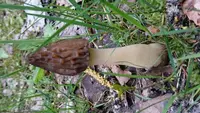
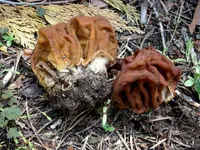
Gyromitra gigas, often listed under the older name Discina montana, is a large spring-fruiting cup fungus rather than a traditional green plant. It forms heavy, irregular, brain-like caps in shades of cream to tan, usually emerging on soil or decaying wood soon after snowmelt.

This species occurs mainly in cool, temperate forests of Europe and parts of North America, often near conifers. It has a specific seasonal and habitat preference, which makes it unreliable and challenging to cultivate at home, so how to care for Gyromitra gigas is still poorly established. In nature it favors moist, cool conditions and nutrient-rich forest substrates rather than regular garden soil.

Main Plant Requirements

Care Difficulty

Moderate Care

Light Preference

Partial Shade

Water Requirements

Regular Water

Temperature Preference

Cool Climate

Hardiness Zone

Unknown

Soil Texture

Loamy, Silty, Organic-rich

Soil pH

Acidic (5.5–6.5), Slightly acidic (6.5–7.0)

Soil Drainage

Moist but well-drained

Fertilization

Minimal (feed rarely)

Get Personalized Care Plan

Scan your plant to receive care tips personalized for your specific plant

Available on iOS and Android

How to Care for the Gyromitra gigas

Discina montana is a spring woodland fungus that depends on cool, shaded light conditions at ground level.

  • Provide bright shade or dappled woodland light, such as under deciduous trees with 1–3 hours of gentle morning sun and no harsh afternoon sun.
  • Mimic natural forest cover with leaf litter and low ground vegetation that filters direct rays; strong sun can dry the substrate and suppress fruiting.
  • Both Discina montana and Gyromitra gigas respond best to stable, seasonally increasing light in early spring, before dense canopy leaf-out reduces light too sharply.

Discina montana thrives in consistently moist but not saturated forest soil.

  • Aim for evenly damp conditions in the top 2–5 cm of soil or substrate; it should feel moist to the touch but not muddy or anaerobic.
  • Increase moisture during active spring growth and after dry spells, using gentle soaking that drains freely to avoid standing water around the developing cups.
  • Reduce added water when natural rainfall is frequent; sagging, pale, or collapsing fruiting bodies often signal excess moisture and poor aeration, while brittle, shriveled edges indicate drying.

This fungus favors cool to mild conditions that mirror early spring forest temperatures.

  • Optimal fruiting usually occurs around 45–60°F (7–16°C), with cool nights and slightly warmer days supporting stable development in moist leaf litter.
  • Discina montana tolerates near-freezing conditions down to about 32°F (0°C) but extended hard freezes can damage emerging fruiting bodies.
  • Sustained heat above 70°F (21°C) tends to shorten the fruiting period; protect sites from strong sun and drying winds as temperatures rise later in the season.

Humidity is not a key factor for Discina montana, which grows in cool, naturally moist outdoor habitats rather than controlled indoor air.

Discina montana develops best on moist, loose forest substrates with ample decaying organic matter.

  • Use a loose, humus-rich mix made from leaf mold, fine bark, and coarse sand to mimic decomposing forest litter.
  • Ensure very high drainage so water moves through quickly but the organic fraction stays evenly damp, never waterlogged.
  • Aim for slightly acidic conditions around pH 5.5–6.5, which favor the fungi and associated soil microorganisms.
  • Avoid compacted, clay-heavy, sterilized, or heavily fertilized substrates that limit aeration and disrupt its natural fungal ecology.

This species is not suitable for conventional container growing, as it relies on complex soil and fungal interactions in natural forest ground.

Discina montana is a wild, mycorrhizal fungus that usually needs no fertilization when grown in suitable forest soil, similar to caring for Gyromitra gigas.

Discina montana does not respond to pruning in the way vascular plants do, so intervention is rarely needed.

  • Remove only clearly rotten or moldy fruiting bodies using clean gloves or a knife to limit contamination in cultivation beds.
  • Avoid cutting or disturbing surrounding tree roots and leaf litter, since these support the fungal mycelium below ground.
  • Do not trim developing cups; allow them to mature and release spores to maintain the population.

Discina montana is typically not grown in containers; management focuses on establishing or moving colonized substrate rather than classic repotting.

  • Attempt transplanting only during the natural dormant period, after fruiting has finished and cups have decayed.
  • Move blocks of colonized soil, leaf litter, and associated host roots together to reduce disturbance to the mycelium.
  • Keep the substrate composition similar at the new site, matching moisture, shade, and organic matter levels as closely as possible.
  • Water lightly after transplanting to settle soil around roots and fungal strands, then allow normal forest moisture cycles.

Discina montana propagation targets spore dispersal and habitat management rather than standard plant-style techniques.

  • Allow mature cups to remain in place until fully expanded and releasing spores, which appear as a fine dust.
  • Encourage natural spread by maintaining moist, cool, humus-rich soil under suitable host trees and minimizing soil disturbance.
  • For experimental culture, move small amounts of colonized substrate to similar sites, keeping it shaded and evenly moist.

Discina montana is naturally cold hardy in temperate climates and usually requires no special winter care.

  • Maintain a light layer of leaf litter or forest mulch over the area to insulate soil and support stable moisture.
  • Avoid deep soil cultivation or raking in winter, which can damage the mycelium near the surface.
  • Container experiments, if any, should be overwintered in a cold, sheltered spot to mimic natural outdoor chilling without extreme drying winds.

Care Tips

Use hardwood debris

Establish the fungus in an outdoor bed rich in well-rotted hardwood sticks, branches, and leaf litter, since it fruits best where it can slowly decompose lignin-rich material.

Shade edge placement

Site the bed at the cool, shaded edge of a woodland or under deciduous shrubs, where spring light reaches the soil but the substrate does not dry out quickly in early warmth.

Minimal disturbance

Mark the fruiting area and avoid raking, digging, or compacting the soil there, as the underground mycelium is sensitive to physical disturbance and may stop fruiting if repeatedly disrupted.

Remove old fruitbodies

After spores are released and cups start to collapse, gently remove and compost the old fruitbodies to reduce mold growth on-site and to keep the bed from harboring excessive fungal competitors.

Fruiting season records

Keep simple notes or photos of first appearance dates, weather, and location each year, since tracking patterns over several seasons improves timing of any moisture support or habitat adjustments when trying to grow Discina montana.

Common Pests and Diseases

Fungal fruit rot

This disease affects the fleshy apothecia (fruiting bodies), causing soft, water-soaked, or moldy tissue, especially in prolonged wet or warm conditions. Symptoms include collapse and rapid decay of the cups or discs.

Solution

Remove and discard affected fruiting bodies promptly to limit spread, and avoid handling or storing them in tightly closed, humid containers. Harvest only firm, dry specimens, spread them in a single layer with good airflow, and if needed use gentle forced air drying to reduce surface moisture and slow decay as part of practical Discina montana care.

Saprobic competitor fungi

This problem occurs when faster-growing saprobic fungi colonize the same woody or litter substrate, outcompeting Discina montana and suppressing its fruiting. Symptoms include dense growth of other molds or bracket fungi on the wood where Discina montana previously or typically appears.

Solution

Select and cut fresh to moderately decayed hardwood or conifer wood for any attempted cultivation or observation and keep it in a cool, well-aerated location. Remove heavily overgrown, moldy pieces and replace them with cleaner, recently cut material to reduce competition and improve the chance of growing Discina montana.

Mycophagous springtails

These insects feed on developing fungal tissue and spores, sometimes tunneling into young cups and leaving pitted or ragged surfaces. This pest is more active in very moist, organic substrates rich in decaying litter.

Solution

Gently shake or brush off visible springtails when collecting fruiting bodies, and avoid storing them in overly moist, organic debris where populations can build up. For observation or study containers, use well-drained, pasteurized substrate, limit excess moisture, and increase ventilation so surfaces dry slightly between mistings.

Fungivorous mites

These arthropods graze on hymenial surfaces, consuming spores and damaging the fertile inner cup, which can lead to discolored or roughened patches. This pest tends to concentrate on older or stressed fruiting bodies kept in confined, humid conditions.

Solution

Inspect collected specimens and discard any that show heavy mite movement or webbing-like debris, and avoid long-term storage in sealed boxes or bags. For short-term indoor culture or display, use fine mesh covers instead of solid lids, lower humidity slightly, and periodically replace aging, infested material with fresh, healthy fruiting bodies.

Interesting Facts

Early spring fruiting

This fungus typically appears soon after snowmelt in mountain conifer forests, often making it one of the earliest cup fungi seen in late winter to early spring.

Preference for conifer litter

It is most often recorded on soil and decomposing conifer litter, especially under spruce and pine, where it contributes to breaking down needles and woody debris.

Wrinkled ear-shaped cups

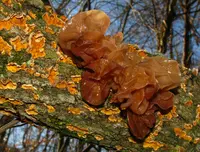
The fruiting bodies form shallow, tan to brown cups with irregularly wrinkled, ear-like margins, a shape that helps distinguish it from darker, more deeply cup-shaped relatives.

Botan icon

Did you know?

Discina montana has a disjunct distribution, being reliably documented both in montane conifer forests of Europe and in parts of North America, which has made its taxonomy and relationship to closely similar Discina and Gyromitra species a subject of ongoing study.

FAQs about Gyromitra gigas

This fungus is considered poisonous and should not be eaten, even after cooking or drying. It contains unstable toxins that can damage the liver and nervous system. For safety, treat it as strictly inedible at all times.

Grow Healthy Plants with Botan Care

Keep your plants happy and healthy with plant identification, disease detection, and easy care guidance.

Botan plant care app — identify plants on mobile

Explore More Plants