Smooth Puffball Care (Lycoperdon molle)

Also known as: Soft Puffball
Smooth Puffball

About Smooth Puffball

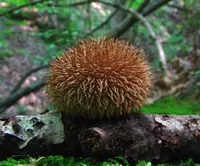
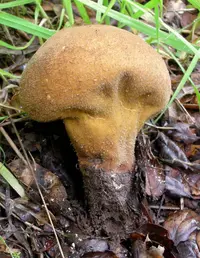
Smooth puffball, Lycoperdon molle, is a small, rounded mushroom-forming fungus rather than a leafy plant. It produces soft, pale fruiting bodies that resemble tiny balls sitting on soil, leaf litter, or short grass. As it matures, the outer surface often becomes slightly cracked and a central pore opens to release spores. This species is typically found in temperate woodlands, forest edges, and grassy clearings, often in late summer to autumn. It is not a typical houseplant, but understanding how to care for Smooth Puffball outdoors focuses mainly on providing undisturbed, mildly moist soil rich in organic matter and avoiding excessive disturbance of its growing site.

Main Plant Requirements

Care Difficulty

Moderate Care

Light Preference

Partial Shade

Water Requirements

Regular Water

Temperature Preference

Cool Climate

Hardiness Zone

Unknown

Soil Texture

Loamy, Silty, Organic-rich

Soil pH

Slightly acidic (6.5–7.0), Neutral (7.0)

Soil Drainage

Moist but well-drained

Fertilization

Minimal (feed rarely)

Get Personalized Care Plan

Scan your plant to receive care tips personalized for your specific plant

Available on iOS and Android

How to Care for the Smooth Puffball

This fungus prefers dappled woodland light that mimics its natural forest-floor habitat.

  • Provide bright, filtered light or light shade under trees, with 2–4 hours of gentle morning sun and protection from strong afternoon rays.
  • Avoid full, exposed sun in open ground, as intense summer light can dry the substrate quickly and inhibit fruiting of Smooth Puffball.
  • In late summer to autumn, when fruiting bodies appear, ensure consistent partial shade so the surface does not crack or bleach from excess sun exposure.

Moist, but not waterlogged, soil supports reliable fruiting of this woodland puffball.

  • Aim for soil that stays evenly moist; allow the top 2–3 cm to dry slightly before rewetting leaf litter or mulch layers around Lycoperdon molle.
  • Use loose, well-drained, humus-rich soil so excess water can drain away, preventing rot and the collapse of young fruiting bodies.
  • During dry spells in late summer and autumn, monitor for shrinking, hardening, or cracking surfaces, which indicate underwatering; soft, slimy bases suggest overwatering or poor drainage.

This species fruits best in mild, temperate conditions that resemble a cool woodland floor.

  • Optimal fruiting occurs around 55–70°F (13–21°C), often from late summer into autumn when nights are cool and days are mild.
  • It tolerates brief drops near 32°F (0°C), but repeated hard frosts below 28°F (-2°C) can damage or halt new puffball formation.
  • Prolonged heat above 80°F (27°C) with dry air can cause rapid drying and deformation, so shade and consistent soil moisture become more important in hot spells.

Humidity is not a primary factor for this terrestrial fungus, which tolerates a broad range of ambient conditions outdoors.

This fungus prefers loose, well-drained, organic-rich ground that mimics a natural woodland or grassland floor.

  • Use a friable, humus-rich substrate with plenty of decayed leaf litter or compost to mimic the natural habitat of Lycoperdon molle.
  • Ensure rapid drainage by mixing mineral material such as coarse sand or fine grit through the organic base to prevent waterlogging.
  • Aim for a slightly acidic to neutral reaction, around pH 6.0–7.0, avoiding strongly alkaline or saline conditions that suppress fungal activity.
  • Maintain a crumbly structure by avoiding compaction; do not tread or press the substrate firmly, so air can penetrate and mycelium can spread.

This species is generally not suited to container growing, as it relies on complex interactions with soil organisms in the ground rather than confined substrates.

Lycoperdon molle usually grows in nutrient-balanced woodland substrates and does not require routine fertilization in cultivation.

Lycoperdon molle needs no structural pruning, but limited cleanup can support hygiene and spore production in managed settings.

  • Carry out any cleanup during dry weather in late summer to early autumn, after fruiting bodies have matured and dispersed spores.
  • Remove only clearly decayed, moldy, or insect-damaged puffballs to limit unwanted fungal competitors or pests.
  • Use clean gloves or a small knife, cutting at the base and avoiding disturbance of surrounding leaf litter and soil.
  • Minimal intervention maintains the natural growth pattern and supports ongoing colonization of the substrate.

This fungus is rarely grown in containers, so management focuses on transplanting or recreating suitable habitat rather than classic repotting.

  • Transplant only when a colony occupies decaying wood or soil that must be moved, as disturbance can reduce future fruiting.
  • Best timing is late autumn to early spring, when active fruiting has finished and temperatures are cool and stable.
  • Move intact chunks of substrate with visible mycelium, keeping them shaded and slightly moist during transfer to limit stress.
  • Recreate similar conditions at the new site, using comparable soil organic content, leaf litter, and wood debris to support recolonization.

Propagation of Lycoperdon molle is typically indirect, relying on spore dispersal and suitable habitat rather than controlled horticultural techniques.

Smooth Puffball is naturally cold hardy in temperate climates and generally needs no special winter care once established in the ground.

Care Tips

Spore habitat mapping

Flag or mark the exact spots where fruiting bodies appear so you can gently disturb and loosen the surrounding leaf litter in late summer, which encourages repeated spore release and helps maintain a productive microhabitat year after year.

Minimal disturbance harvesting

When collecting mature puffballs, cut or twist them off carefully at the base instead of raking or pulling up surrounding material, so the underground mycelium stays intact and can re-fruit in the same location.

Leaf litter management

Maintain a thin, even layer of natural leaf litter over the colony rather than a deep mat, since a moderate layer stabilizes moisture and temperature while still allowing the small fruit bodies to emerge easily.

Targeted irrigation timing

If irrigation is used, apply a light, even soak 12–24 hours before a forecasted cool period, because this timing often triggers more uniform and synchronized fruiting in puffball colonies.

Gentle site enrichment

To support growing Smooth Puffball in semi-natural beds, top-dress with a thin layer of well-aged hardwood leaf mold once a year instead of digging or turning the soil, which preserves the fungal network structure.

Common Pests and Diseases

Mycoparasitic fungi

This disease involves other fungi parasitizing the puffball fruiting body, leading to deformed, discolored, or partially overgrown spheres. Symptoms include patchy fungal crusts or tufts on the outer surface and failure of spores to mature normally.

Solution

Carefully remove and discard affected fruiting bodies so the parasitic fungi do not spread to nearby specimens, and avoid handling healthy puffballs after touching infected ones. In managed settings, reduce crowding of organic debris and improve air circulation around developing puffballs to lower persistent surface moisture that favors mycoparasites.

Bacterial soft rot

This disease causes the puffball interior to become wet, mushy, and foul smelling instead of maturing into dry, powdery spores. Symptoms include rapid collapse of the fruiting body, slimy texture, and off odors when cut or broken.

Solution

Promptly remove and dispose of any soft, foul-smelling puffballs and avoid stepping on or crushing damaged ones to limit bacterial spread. In areas where a person wants to grow Lycoperdon molle for observation, avoid excessive irrigation and standing water around fruiting sites and handle only intact, dry specimens.

Fungus gnat larvae

These insects use the interior of the puffball as a food source and nursery, tunneling through the tissue and disrupting normal spore development. Symptoms include small entrance holes, fine frass, and premature collapse or drying of the fruiting body.

Solution

Collect and discard heavily infested puffballs to break the life cycle of the gnats and reduce emerging adults. In outdoor or semi-managed sites, limit overly wet, compact organic layers and, if necessary, place fine mesh covers over small patches of developing puffballs to physically exclude egg-laying adults.

Slugs and snails

These pests feed on the outer surface and sometimes the interior of young puffballs, leaving ragged holes and exposed tissue that decays quickly. Symptoms include slime trails, chewed patches on the peridium, and partial loss of the spherical form.

Solution

Hand-pick slugs and snails around fruiting zones in the evening or early morning and dispose of them away from the site. In gardens or managed habitats, reduce dense groundcover and moisture-retentive debris near puffballs, and if necessary, use barriers such as copper tape or rough, dry mulch to make access more difficult.

Interesting Facts

Soft, felty surface

Young fruit bodies of this species have a distinctively soft, velvety outer skin, which is where the epithet molle (meaning soft) originates. This texture helps distinguish it from many other small puffballs that have a smoother or more warted surface.

Color change with age

The fruiting body is typically pale cream to light buff when young, then gradually darkens and develops a central pore as spores mature. This color shift signals the transition from spore development to spore release.

Grassland specialist

This puffball is most often found in unimproved grasslands, lawns, and pasture edges rather than dense forests. It typically fruits directly from soil among low vegetation, often in small scattered groups rather than large fairy rings.

FAQs about Smooth Puffball

Young, firm specimens with pure white interior flesh are considered edible in many regions, once correctly identified. Any yellowing, browning, or presence of gills inside indicates inedibility. Always confirm identification with a local expert before consumption.

Grow Healthy Plants with Botan Care

Keep your plants happy and healthy with plant identification, disease detection, and easy care guidance.

Botan plant care app — identify plants on mobile

Explore More Plants