sooty cup Care (Dissingia leucomelaena)

Also known as: white-footed elfin cup
sooty cup

About sooty cup

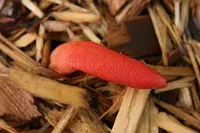
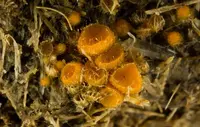
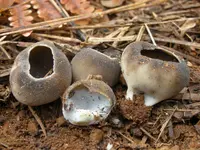
Sooty cup, Dissingia leucomelaena, is not a typical leafy houseplant but a small cup fungus that appears on soil, decaying wood, or plant debris. It forms dark, saucer-shaped fruiting bodies with a velvety or sooty surface, often in scattered groups.

This fungus occurs mainly in cool, temperate regions, especially in forests where organic matter stays moist. It relies on humid, shaded conditions and decomposing material, which makes deliberate cultivation challenging for most home growers.

Because it is a specialized saprophyte, it is usually observed rather than actively managed, so information on how to care for sooty cup in cultivation is limited.

Main Plant Requirements

Care Difficulty

Moderate Care

Light Preference

Partial Shade

Water Requirements

Moderate Water

Temperature Preference

Warm Climate

Hardiness Zone

Unknown

Soil Texture

Loamy

Soil pH

Slightly acidic (6.5–7.0)

Soil Drainage

Well-drained

Fertilization

Minimal (feed rarely)

Get Personalized Care Plan

Scan your plant to receive care tips personalized for your specific plant

Available on iOS and Android

How to Care for the sooty cup

Dissingia leucomelaena prefers bright but gentle light that mimics its cool, open woodland habitat.

  • Provide 3–5 hours of soft morning sun with bright, filtered light for the rest of the day; avoid harsh afternoon sun that can scorch the cup-shaped fruiting bodies of sooty cup.
  • Allow light partial shade, especially in summer; plants in deeper shade grow slower and may produce fewer fruiting structures.
  • In hot climates, increase shade from midday onward and use dappled light under shrubs or open trees to prevent desiccation.

Moist but fast-draining, humus-rich soil best supports Dissingia leucomelaena on the forest floor or similar sites.

  • Water when the top 2–3 cm of soil feel dry, aiming for consistently moist but never saturated conditions around the rooting zone.
  • Reduce watering in cooler seasons when growth slows, but do not allow the substrate to dry out completely for more than a day or two.
  • Watch for signs of overwatering such as soggy, sour-smelling soil, and improve drainage with leaf litter or fine bark if water lingers on the surface.

Stable, cool to mild temperatures support reliable development of this temperate woodland fungus.

  • Target 50–68°F (10–20°C) for best growth; short periods up to 72°F (22°C) are usually tolerated if humidity stays moderate.
  • Protect the habitat from hard frost below 26–28°F (-3 to -2°C), which can damage developing fruiting bodies and reduce seasonal emergence.
  • In warmer regions, site the organism where summer highs stay below 77°F (25°C) at ground level, using shade and organic mulch to buffer heat swings.

This species prefers moderate humidity but adapts to typical indoor levels if watering is well managed.

  • Aim for 40–60% humidity to reduce desiccation of the sooty cup fruiting bodies and surrounding mosses or substrates.
  • In very dry air, watch for brittle, shrinking cups and faster substrate drying as signs of humidity stress.
  • Increase humidity locally with a nearby open tray of water and stone, grouping moisture-loving specimens, or using a small room humidifier away from direct airflow.

Provide a loose, sharply drained, low-organic substrate that mimics rocky, mineral-rich natural sites.

  • Use a gritty mix such as 40% coarse sand, 40% fine gravel or pumice, and 20% low-organic loam or mineral topsoil.
  • Aim for slightly acidic to neutral pH around 6.0–7.0, avoiding strongly alkaline lime-heavy materials that can alter fungal community balance.
  • Improve aeration by using large-particle minerals (pumice, lava rock) rather than peat-heavy mixes that compact and hold excess water.
  • Avoid waterlogged, clay-heavy, or pure compost substrates, which restrict gas exchange and encourage rot around Dissingia leucomelaena colonies or host roots.

This species can be maintained in containers when the pot and substrate are chosen to stay free-draining and stable.

  • Select a wide, shallow container to spread a thin mineral substrate layer, which dries evenly and prevents prolonged saturation around the fungal zone.
  • Use a rigid, heavier pot material such as ceramic to reduce tipping when the substrate is rocky and unevenly distributed.
  • Raise the container slightly on feet or spacers so drainage holes stay clear and runoff leaves the pot quickly after irrigation.

Dissingia leucomelaena, sometimes called sooty cup, usually needs little supplemental nutrition when grown in suitable woodland soil.

  • If grown in containers or poor soil, use a balanced liquid NPK fertilizer at 1/4–1/2 strength during active growth.
  • Feed lightly every 4–6 weeks in spring and early summer only, then stop by late summer.
  • Avoid heavy compost layers directly on the colony; use a thin, well-decomposed top-dressing if soil is very lean.
  • Do not fertilize during winter or dormancy, as excess nutrients can encourage weak, disease-prone tissue.

Pruning Dissingia leucomelaena is generally minimal and aimed at keeping nearby host vegetation healthy rather than shaping the fungus itself.

This fungus is not suited to conventional container culture, so focus on careful transplanting of associated substrate rather than standard repotting.

  • Attempt transplanting in early spring or early autumn, when temperatures are mild and moisture is consistent.
  • Move a generous block of original soil and leaf litter, minimizing disturbance to roots of associated plants and fungal mycelium.
  • Choose a new site with similar shade, moisture, and soil structure to reduce stress and improve establishment.
  • Water gently after transplanting to settle soil, then keep the area evenly moist but not waterlogged for several weeks.

Propagation of Dissingia leucomelaena is specialized and usually left to natural spore dispersal in stable woodland habitats.

This species is adapted to cool, temperate climates and typically needs no special winter care in the ground.

Care Tips

Substrate renewal

Replace the entire substrate every 1–2 years to remove accumulated salts and decomposed material, which helps maintain the sharply drained, low‑nutrient conditions this fungus prefers.

Cool rest period

Provide a distinct cool, slightly drier rest period in winter by reducing moisture and keeping the culture in a 40–50°F environment to mimic its natural alpine or subalpine habitat and support regular fruiting.

Airflow management

Ensure gentle but constant air movement around the culture using a small fan on a low setting to minimize fungal contaminants that can overgrow the sooty cup fruiting bodies.

Hygienic handling

Sterilize tools and containers with 70% isopropyl alcohol before any work and avoid touching the substrate with bare hands to limit competing microbes and maintain stable Dissingia leucomelaena care.

Light orientation rotation

Rotate trays or culture containers 90° every few days under the light source so cups develop evenly and do not lean strongly in one direction, which improves uniform spore production when growing sooty cup.

Common Pests and Diseases

Fungus gnats

These insects are small, dark flies whose larvae feed in constantly moist, organic-rich substrates such as living sphagnum often used around this species. Symptoms include tiny flies hovering near the pot and slow, weakened growth from root disturbance.

Solution

Let the top layer of moss or substrate dry slightly between waterings, use yellow sticky traps for adults, and flush the pot with a biological control such as Bacillus thuringiensis israelensis (BTI) to target larvae. Reducing decaying organic matter and improving drainage lowers reinfestation risk when growing sooty cup in kept collections.

Soft scale

These insects form small, dome-shaped, often tan or brown bumps along the bases of fronds and on lower rachises, feeding on sap and excreting sticky honeydew. Symptoms include tacky fronds, sooty mold growth on surfaces, and gradual decline in vigor.

Solution

Manually remove scales with a cotton swab dipped in isopropyl alcohol, then rinse fronds gently with water to remove honeydew and mold. Improve air movement and, if needed, apply a horticultural oil spray labeled for ferns, ensuring thorough coverage of rachises and undersides while avoiding application in direct sun or high heat.

Mealybugs

These insects appear as white, cottony clusters hidden in leaf bases, along the rhachis, and in protected crevices, where they suck sap. This pest causes distorted new growth, sticky residue, and general weakening of the clump over time.

Solution

Inspect crowns and frond joints closely, then spot-treat visible colonies with isopropyl alcohol on a cotton swab or soft brush and rinse with lukewarm water. In more established infestations, repeat treatments weekly and use a low-toxicity insecticidal soap formulated for ferns, testing on a small area first to check for sensitivity.

Botrytis blight

This disease is a gray mold that develops on shaded, persistently wet fronds and fertile cups, especially under cool, stagnant conditions. Symptoms include water-soaked lesions that turn brown, followed by fuzzy gray sporulating growth on dead tissue.

Solution

Remove and discard affected fronds and any dead plant debris, then increase air circulation and reduce overhead misting so surfaces dry more quickly. If conditions remain very humid, use a fungicide labeled for Botrytis on ferns, applying as a light, even spray after improving cultural conditions.

Bacterial leaf spot

Symptoms include small, water-soaked, translucent spots on fronds that enlarge, turn dark, and may develop a yellow halo, often starting on older tissue exposed to standing water. This disease tends to spread rapidly where fronds remain wet for long periods and air movement is poor.

Solution

Promptly remove and discard spotted fronds, avoid splashing water from plant to plant, and water at the base or from below to keep foliage drier. Improve spacing and air flow, sanitize tools, and if spread continues, use a copper-based bactericide labeled for ornamental ferns, following label directions closely to avoid phytotoxicity.

Interesting Facts

Arctic tundra specialist

This cup fungus occurs in high-latitude and alpine habitats, especially in Arctic and subarctic regions, where it grows on moist, often mossy or organic-rich ground exposed after snowmelt.

Distinctive bicolored cups

The fruiting bodies form small cup-shaped structures with a pale to whitish interior and a contrasting dark, often sooty-looking exterior, which makes the species recognizable in the field.

Cold-season fruiting pattern

Fruiting typically coincides with colder seasons or shortly after snowmelt, reflecting adaptation to short growing periods and low temperatures in its native range.

FAQs about sooty cup

This fungus is not suited to typical indoor cultivation. It develops outdoors on decaying wood in cool, moist conditions. Attempts at sooty cup indoor care usually fail because it relies on complex interactions with natural substrates and microclimate.

Grow Healthy Plants with Botan Care

Keep your plants happy and healthy with plant identification, disease detection, and easy care guidance.

Botan plant care app — identify plants on mobile

Explore More Plants