Lilac Bonnet Care (Mycena pura)

Lilac Bonnet

About Lilac Bonnet

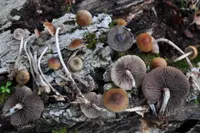
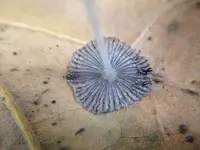
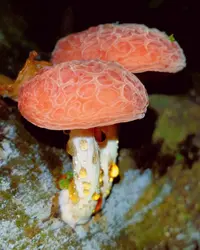
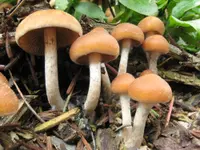
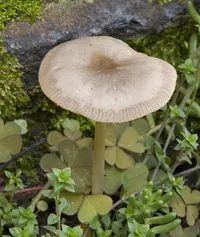
Lilac bonnet, Mycena pura, is a small saprophytic mushroom that breaks down decaying leaf litter and wood in forests and gardens. It is not a houseplant but often appears naturally outdoors. The cap ranges from pale lilac to pinkish tones and fades with age, with a slender stem and gills of similar color. It usually grows in scattered groups on moist, organic-rich soil. This species tends to appear in cool, damp seasons and can be short-lived. Gardeners do not typically cultivate it on purpose, and it can be difficult to manage conditions closely enough to care for Lilac Bonnet, since it depends on complex soil fungi communities rather than standard plant care methods.

Main Plant Requirements

Care Difficulty

Hard Care

Light Preference

Shade

Water Requirements

Keep Soil Moist

Temperature Preference

Cool Climate

Hardiness Zone

Unknown

Soil Texture

Loamy, Peaty, Organic-rich

Soil pH

Strongly acidic (4.5–5.5), Acidic (5.5–6.5)

Soil Drainage

Moist but well-drained

Fertilization

Minimal (feed rarely)

Get Personalized Care Plan

Scan your plant to receive care tips personalized for your specific plant

Available on iOS and Android

How to Care for the Lilac Bonnet

Mycena pura prefers low, woodland-style light rather than direct sun exposure.

  • Provide bright shade or dappled light, similar to a forest floor under trees, with at most 1–2 hours of weak early-morning sun.
  • Avoid direct midday or afternoon sun, which can dry the substrate quickly and bleach the delicate Lilac Bonnet caps.
  • Choose locations with filtered light through shrubs, leaf litter, or understory vegetation, especially in spring and autumn when canopy cover changes.

Moist, humus-rich substrate is essential for stable Mycena pura development.

  • Keep the substrate evenly moist but not waterlogged, allowing the top 1–2 cm to feel just barely damp rather than saturated.
  • Improve drainage with leaf litter, fine bark, or well-rotted wood to prevent standing water, which leads to rotting and collapse of fruiting bodies.
  • Watch for shriveling, pale caps as a sign of drying, and for soft, slimy bases or a sour smell as early indicators of excess moisture.

This woodland fungus favors cool to mild conditions rather than heat.

  • Aim for 50–65°F (10–18°C) during active growth, which reflects typical cool forest conditions in spring and autumn.
  • Tolerates brief drops to around 32°F (0°C), but repeated hard frosts or frozen substrate can halt or damage fruiting.
  • Avoid prolonged heat above 75°F (24°C); higher temperatures combined with low humidity shorten cap life and reduce reliable fruiting.

This woodland fungus prefers consistently humid air similar to a damp forest floor.

  • Aim for 60–80% humidity, avoiding prolonged exposure below 50% which can slow fruiting.
  • In very dry indoor air, caps may crack or shrivel and mycelium can dry at the surface.
  • Increase humidity with a covered but ventilated tub, frequent fine misting of the substrate, or a humidity tent over trays.

This species fruits best on loose, decaying organic material rather than standard potting soil.

  • Use a substrate of well-rotted hardwood chips, leaf mold, and a small amount of compost to mimic forest litter.
  • Keep structure loose and airy so water drains freely yet the mix stays evenly moist, never waterlogged.
  • Aim for slightly acidic to neutral conditions (pH 5.5–7.0), avoiding limed or highly alkaline media.
  • For Mycena pura, refresh or top up the woody organic layer regularly to maintain decomposition and aeration.

This species is only moderately suitable for containers and needs conditions close to a shaded forest floor to fruit.

  • Choose a wide, shallow tub or tray so the woody substrate layer is broad and not deeper than 10–15 cm.
  • Drill several side ventilation holes above the substrate line to balance fresh air with moisture retention.
  • Use an opaque or dark container to reduce light on the colonizing substrate and help stabilize surface humidity.

Mycena pura, commonly called Lilac Bonnet, does not need routine fertilization when growing in a natural, humus-rich substrate.

Pruning Mycena pura is not part of normal care, since each mushroom is short-lived and replaced naturally.

Transplanting Mycena pura focuses on moving colonized substrate rather than handling individual mushrooms.

  • Identify dense, healthy mycelium in leaf litter, wood chips, or soil with fine white threads binding the material.
  • Transplant in cool, moist weather, ideally in fall, to reduce drying and temperature stress on the mycelium.
  • Lift and move intact chunks of colonized substrate, keeping them shaded and moist during transfer.
  • Reinstall the material at the same depth, water gently, and maintain consistent moisture until growth resumes.

Propagation of Mycena pura is specialized and generally left to expert mycologists rather than home growers.

Mycena pura is a hardy woodland fungus that needs no intentional winter care in outdoor settings.

Care Tips

Sterilize Substrate

Before inoculation, pressure-sterilize sawdust, grain, or wood-based substrate at 15 psi for 60–90 minutes to reduce competing fungi and bacteria and improve colonization success when growing Lilac Bonnet.

Use Proper Inoculum

Use fresh, uncontaminated spawn or agar wedges from a reliable culture collection and handle them in a still-air box or under a flow hood to minimize airborne contamination during transfer.

Control Moisture Gradient

Maintain a moist but not waterlogged substrate and add a top layer of slightly coarser, well-drained material to keep the mycelium zone humid while preventing pooling water that can suffocate it.

Encourage Air Exchange

Drill or cut small ventilation holes in containers or bags and cover them with fine filter material so the developing mycelium receives enough oxygen without exposing it to spores of competitor fungi.

Manage Fruiting Cycles

After a flush of mushrooms, remove spent fruiting bodies promptly, lightly disturb only the very top surface of the substrate, and then rehydrate it evenly to encourage a second, cleaner flush of caps.

Common Pests and Diseases

Fungivorous springtails

These insects live in damp substrates and feed on fungal fruiting bodies and mycelium, sometimes scarring caps and stems. Symptoms include small feeding pits, surface roughness, and tiny jumping white or gray insects around the mushrooms.

Solution

Reduce constant saturation of the substrate, improve drainage, and allow the surface to dry slightly between misting to discourage high springtail populations. For cultivation setups, remove heavily infested flushes, use fine mesh or tight lids to limit entry, and, if needed, introduce biological controls such as predatory mites suited to mushroom production systems.

Sciarid fungus gnats

These insects lay eggs in moist substrates, and their larvae can tunnel through mycelium and young fruiting bodies, causing malformed or collapsing mushrooms. This pest often appears where organic substrates remain constantly wet and poorly ventilated.

Solution

Use yellow sticky traps near the growing area to monitor and reduce adult populations and cover substrate surfaces with a breathable barrier such as fine mesh to block egg laying. Improve airflow, avoid standing water, and, in controlled cultivation, apply biological agents like Bacillus thuringiensis israelensis (Bti) to the substrate following mushroom-safe label directions.

Mucor contamination

This disease is caused by fast-growing Mucor molds that overrun Mycena mycelium and fruiting sites, forming fluffy gray or white patches on the substrate. Symptoms include stunted or aborted mushroom primordia and a dense, cottony overgrowth that quickly covers the surface.

Solution

Remove and discard heavily colonized substrate, tools, or containers to prevent further spread, as Mucor is difficult to eliminate once established. For anyone attempting to grow Mycena pura, improve hygiene by sterilizing tools and containers, tightening control of substrate moisture, and increasing fresh air exchange so that the mushroom mycelium has a better competitive advantage.

Green Trichoderma mold

This disease develops as rapidly spreading white mycelium that turns bright green as spores form, outcompeting Mycena mycelium and suppressing fruiting. Symptoms include patchy green areas on the substrate, reduced mushroom numbers, and premature decay of caps near contaminated zones.

Solution

Physically remove and dispose of contaminated sections and avoid opening infected containers indoors to limit spore spread. For future cycles, pasteurize or sterilize substrates thoroughly, keep tools and containers clean, and maintain slightly lower substrate moisture and better airflow to reduce conditions favorable to Trichoderma while focusing on Mycena pura care in a cleaner environment.

Interesting Facts

Distinct lilac odor

Fresh fruiting bodies often release a noticeable odor similar to lilac flowers, especially when crushed, which is due to volatile aromatic compounds produced in the tissues.

Pigment-based coloration

The cap’s lilac to pinkish-violet color is linked to specific fungal pigments that can fade toward pale brown or whitish as the mushroom ages or in strong light exposure.

Neurotoxin LBM status

This species has been reported to contain the neurotoxin muscarine in low amounts, and is therefore classified among the so‑called little brown mushrooms (LBMs) that are generally considered risky to eat.

Botan icon

Did you know?

Mycena pura often fruits in small troops or scattered groups on leaf litter and decaying plant debris in mixed and coniferous woodlands, where it plays an important ecological role as a saprotroph, breaking down organic matter and recycling nutrients back into the forest soil.

FAQs about Lilac Bonnet

This mushroom is considered mildly toxic and is not recommended for consumption. It contains muscarinic-like compounds that may cause gastrointestinal upset and neurological symptoms. For safety, treat it as inedible and avoid tasting or cooking it.

Grow Healthy Plants with Botan Care

Keep your plants happy and healthy with plant identification, disease detection, and easy care guidance.

Botan plant care app — identify plants on mobile

Explore More Plants