pale ditrichum moss Care (Ditrichum pallidum)

Also known as: Pale Cow-hair Moss, Saffron Moss
pale ditrichum moss

About pale ditrichum moss

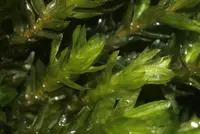
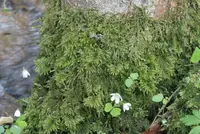
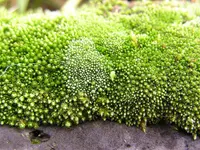
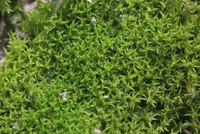
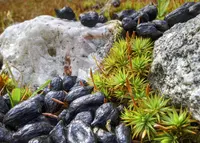
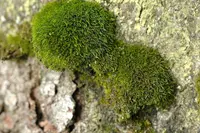
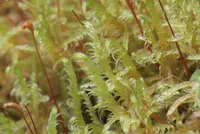
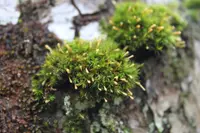
Pale ditrichum moss (Ditrichum pallidum) is a small, acrocarpous moss that forms low, somewhat loose tufts or cushions on soil, rock, or decaying wood. Its leaves are narrow and slightly curved, giving a fine, bristly texture when viewed up close.

This moss occurs widely across temperate regions, often in open, disturbed, or seasonally dry habitats such as pathsides, banks, and thin forest soils. It is relatively adaptable but prefers moderate moisture, good air circulation, and low competition from taller plants.

Because it tolerates some drying and poorer soils, it is considered moderately easy to establish in suitable microclimates, especially for those who want to learn how to care for pale ditrichum moss in simple, small-scale setups.

Main Plant Requirements

Care Difficulty

Moderate Care

Light Preference

Partial Shade

Water Requirements

Keep Soil Moist

Temperature Preference

Cold Hardy

Hardiness Zone

3–8

Soil Texture

Sandy, Loamy, Rocky

Soil pH

Strongly acidic (4.5–5.5), Acidic (5.5–6.5)

Soil Drainage

Moist but well-drained

Fertilization

Minimal (feed rarely)

Get Personalized Care Plan

Scan your plant to receive care tips personalized for your specific plant

Available on iOS and Android

How to Care for the pale ditrichum moss

This moss favors soft, indirect light that mimics its natural woodland and rocky habitats.

  • Provide 2–5 hours of dappled or filtered light daily, ideally with gentle morning sun and shaded or indirect exposure for the rest of the day.
  • Allow partial shade; pale ditrichum moss often grows in north-facing or understory sites where direct midday sun is blocked by rocks, logs, or taller plants.
  • Limit strong midday and afternoon sun, which can dry and bleach the moss; in open sites, use nearby stones or groundcover to create broken, shifting shade, especially in summer.

Moist but not waterlogged conditions support steady growth for this small acrocarpous moss.

  • Aim for consistently damp substrate, letting only the upper surface film start to look matte before rewetting with a gentle spray or fine flow of water.
  • Increase moisture during warm, windy, or very sunny periods, while in cool, cloudy seasons allow slightly longer intervals between soakings to reduce stagnation.
  • Watch for pale, crisp, and curling shoots as signs of underwatering, and for limp, dark, or slimy patches as signs of poor drainage or chronic overwatering around Ditrichum pallidum.

This species copes with a wide temperature range but grows best in cool to mild conditions.

  • Support active growth at roughly 45–70°F (7–21°C), where moisture loss is moderate and tissues can repair between drying events.
  • Tolerate short dips to around 15–20°F (-9 to -6°C) when the moss is hardened and often insulated by snow, though repeated freeze–thaw on exposed rock can cause desiccation damage.
  • Protect from prolonged heat above 85°F (29°C), especially in full sun; increase shading and surface humidity during hot, dry spells to limit rapid drying and thermal stress.

This moss prefers consistently moist, cool air and is moderately sensitive to dry indoor conditions.

  • Aim for 60–80% humidity, especially when establishing pale ditrichum moss in terrariums or shaded outdoor containers.
  • Crisping tips, dull color, and slow recovery after watering indicate humidity stress and excessive air dryness.
  • Increase humidity with a loose vented cover, frequent fine misting, or grouping containers on a shallow pebble tray with water below the pot base.

Ditrichum pallidum prefers a moist, airy, organic-rich substrate that mimics cool forest or rock-crevice conditions.

  • Use a fine-textured mix of sifted leaf mold or peat, sand, and a little compost to create a loose, humus-rich surface layer.
  • Ensure rapid drainage with 30–50% inert grit or sand so water moves through quickly but the top layer stays evenly damp.
  • Maintain slightly acidic to neutral conditions around pH 5.5–7.0 to support stable growth and discourage nutrient-related stress.
  • Avoid compacted, sticky, or strongly fertilized substrates, which encourage algae and smother the delicate rhizoids that anchor the moss.

This species adapts well to shallow container culture, especially in trays, bonsai plantings, or terrariums.

  • Select wide, shallow trays so the moss can spread horizontally while staying close to a consistently moist surface layer.
  • Choose heavier ceramic or clay containers outdoors to reduce tipping and buffer rapid moisture swings from sun and wind exposure.
  • Raise the container slightly on feet or mesh so runoff can escape freely and the base does not stay waterlogged against the shelf or ground.

This moss rarely needs feeding, as it is adapted to nutrient-poor substrates.

Pruning needs for Ditrichum pallidum are minimal and mainly cosmetic.

  • Trim only browned or clearly dead patches using small scissors to maintain a tidy mat.
  • Remove debris, fallen leaves, and algae growth to keep light reaching the moss surface.
  • Avoid cutting deep into healthy cushions, which can slow regrowth and cause bare spots.

Transplanting is more relevant than repotting, since this moss is usually grown on rocks, soil surfaces, or wood.

  • Transplant when growth thins out, the substrate breaks down, or you need to relocate a patch.
  • Best timing is in cool, moist weather in spring or fall to reduce desiccation stress.
  • Lift thin mats gently with a knife or spatula, keeping as much underlying substrate as possible.
  • Firm the moss onto the new surface and mist thoroughly; keep evenly moist for several weeks.

This moss is most practically propagated by division rather than from spores.

  • In spring or fall, peel off small cushions, keeping them attached to a thin layer of original substrate.
  • Press divisions onto a clean, moist, slightly acidic surface such as sandy loam or rock crevices.
  • Maintain high humidity and gentle, indirect light until new green tips show spreading growth.
  • Avoid burying the moss; it should sit on top of the substrate with good air circulation.

Outdoor colonies are generally cold hardy and need little specific winter care in most temperate climates.

  • In the ground, natural snow cover usually provides adequate insulation for the moss cushions.
  • For containers, keep substrates barely moist; do not allow complete drying during prolonged freezes.
  • Move shallow trays under cover in very exposed sites to lessen freeze–thaw heaving and wind desiccation.

Care Tips

Substrate Surface Prep

Before planting, lightly roughen compact soil or rock surfaces with a brush or fork so the fine rhizoids can anchor securely and form an even carpet rather than patchy tufts.

Use Shredded Starters

Break existing cushions into small, moist fragments and press them gently onto the prepared surface to increase contact points and speed up colony establishment when growing pale ditrichum moss.

Mesh Sheet Stabilization

For vertical or erosion-prone sites, press the moss fragments under a loose plastic or natural-fiber mesh and pin it down; remove the mesh only after the plants have visibly attached and started new growth.

Control Competing Algae

If green film algae or liverworts appear, slightly increase air movement and reduce surface wetness duration by misting earlier in the day so the substrate dries at the surface while the moss remains hydrated deeper down.

Gentle Rinse Maintenance

Periodically rinse the colony with low-pressure, chlorine-free water to wash away dust and fine debris that can smother shoots and reduce light penetration into the moss canopy.

Common Pests and Diseases

Bryophyte rust fungus

This disease causes scattered yellow to orange spots or patches on moss cushions, which can lead to thinning and dieback of affected shoots. Symptoms include reduced vigor in dense, moist patches, especially in shaded, stagnant air conditions.

Solution

Remove and discard heavily affected clumps to reduce spore load, then improve air movement and avoid constant oversaturation by allowing short drying intervals between misting or irrigation. Where feasible, reduce organic debris around the colony and, in outdoor settings, limit overhead watering to lower surface wetness duration.

Slugs and snails

These pests graze on tender moss shoots, leaving irregular bare patches and ragged edges in cushions, especially in cool, wet conditions. This pest often hides in nearby leaf litter, rocks, or wood during the day.

Solution

Hand-pick slugs and snails at dusk or after rain and remove nearby hiding places such as thick mulch or stacked debris. In outdoor settings, use physical barriers (copper tape, sharp grit rings) and, if necessary, iron phosphate-based baits placed away from the main moss patch to reduce populations.

Moss mites

These insects (tiny arachnids) feed within dense moss mats, sometimes causing a dull, uneven appearance and slow thinning of cushions under very humid, stagnant conditions. Symptoms include fine debris and slight patchiness when examined closely with a hand lens.

Solution

Gently rinse the moss surface with clean, non-chlorinated water to flush out mites, then improve ventilation and reduce excess organic dust or litter around the colony. In enclosed displays or terrariums, temporarily lower humidity slightly and introduce more air exchange to make conditions less favorable for mite buildup.

Green algal overgrowth

This disease-like overgrowth occurs when free-living algae form a slick, bright green film on the substrate and over the moss, competing for light and moisture. Symptoms include a shiny or crusty surface layer and reduced new moss growth beneath the algal coating.

Solution

Physically remove or gently brush off the algal layer, then reduce nutrient-rich runoff or fertilizer drift reaching the moss surface. Increase light airflow balance by providing moderate, indirect light and allowing brief surface drying between misting events, which supports growing pale ditrichum moss while discouraging algae dominance.

Interesting Facts

Pioneer of bare soil

This moss commonly colonizes exposed, nutrient-poor mineral soils such as road banks, trail edges, and disturbed forest patches, helping stabilize loose substrates early in succession.

Wide temperate distribution

The species occurs across much of the Northern Hemisphere in cool to temperate regions, from parts of North America to Europe and Asia, reflecting strong adaptability to different climates and soil types.

Distinctive pale shoots

Its shoots often appear yellow-green to pale green rather than deep green, a color that makes patches easy to distinguish from many darker acrocarpous mosses in the field.

FAQs about pale ditrichum moss

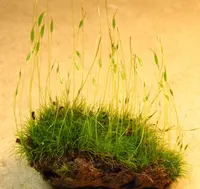
This species stays very low and compact, usually only a few millimeters to about 1–2 cm tall. It forms short, tufted cushions or patches rather than tall shoots, making it suitable for detailed ground-level planting and terrariums.

Grow Healthy Plants with Botan Care

Keep your plants happy and healthy with plant identification, disease detection, and easy care guidance.

Botan plant care app — identify plants on mobile

Explore More Plants