

Acidic substrate choice
Establish moss on a stable, slightly acidic base such as aged conifer bark, rotting softwood, or sandstone rather than bare potting soil, which helps the colony anchor and maintain its preferred chemistry over time.

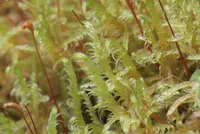
Sanionia uncinata, commonly called sanionia moss, is a creeping carpet moss often found in cool, moist climates. It forms dense, low mats with fine, slightly curved stems and small overlapping leaves that give it a soft, feathery texture.
In nature it grows on soil, rocks, rotting wood, and tree bases, especially in boreal forests and tundra regions. It is relatively adaptable but prefers steady moisture, cool temperatures, and indirect light.
This moss is generally slow-growing and stable once established, which makes it suitable for terrariums, moss gardens, and naturalistic aquascapes. Understanding how to care for sanionia moss mainly comes down to keeping its environment consistently damp and sheltered from harsh sun and drying air.

Care Difficulty
Moderate Care

Light Preference
Partial Shade

Water Requirements
Keep Soil Moist

Temperature Preference
Cold Hardy

Hardiness Zone
2–7

Soil Texture
Loamy, Peaty, Organic-rich

Soil pH
Strongly acidic (4.5–5.5), Acidic (5.5–6.5)

Soil Drainage
Moist but well-drained

Fertilization
Minimal (feed rarely)
Scan your plant to receive care tips personalized for your specific plant
Available on iOS and Android
This moss prefers cool, consistently moist sites with soft, indirect light rather than strong sun.
This moss prefers consistently moist conditions and reacts quickly to drying out.
This moss is cold-tolerant and adapted to cool, moist climates with moderate summer warmth.
This moss needs consistently moist, high-humidity conditions to stay dense and green.
Sanionia uncinata prefers a moist, soft, and highly organic substrate that mimics damp forest or streamside conditions.
This species is suitable for shallow container culture where stable surface moisture can be maintained.
This moss needs minimal feeding, as it is adapted to nutrient-poor habitats.
Sanionia uncinata benefits from light, occasional pruning to maintain a clean, even mat.
Sanionia uncinata is usually transplanted rather than repotted, and it tolerates disturbance poorly if allowed to dry.
Sanionia uncinata plant care includes simple vegetative propagation using small moss fragments.
This moss is naturally cold hardy and usually requires no special winter care outdoors.

Plant Health Check
Not sure what's wrong with your plant? Check your plant's health inside the app.
This moss is naturally abundant in high-latitude and high-altitude regions, where it forms dense carpets on moist soil, rocks, and around melting snowbeds in boreal and subarctic habitats.
It can grow as loose, trailing mats in wetter sites or as tighter, cushion-like patches in more exposed, drier spots, adjusting shoot density and length to local microclimate conditions.
In tundra and boreal ecosystems, its thick mats slow decomposition and help store organic matter, contributing to long-term carbon accumulation in cold soils.

This species often dominates ground layers around bird nesting cliffs in polar regions, where it benefits from nutrient enrichment by seabird droppings and in turn stabilizes the soil and retains moisture in these harsh, wind-exposed environments.
This species generally performs better outdoors in cool, moist, shaded sites with stable humidity. Indoors it is harder to maintain constant moisture and airflow, so growth is usually slower and patchier unless conditions are carefully controlled.
Keep your plants happy and healthy with plant identification, disease detection, and easy care guidance.

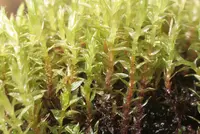
common green bryum moss
Bryum pseudotriquetrum
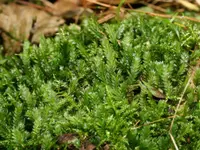
fissidens moss
Fissidens adianthoides
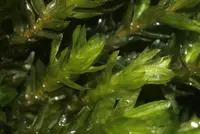
Smaller Lattice-moss
Cinclidotus fontinaloides
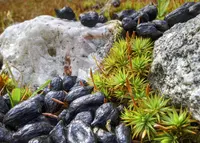
pogonatum moss
Pogonatum urnigerum
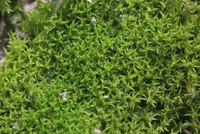
Hornschuch's pseudocrossidium moss
Pseudocrossidium hornschuchianum
fissidens moss
Fissidens fontanus
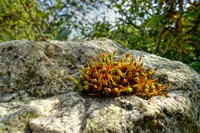
Ulota bruchii
Ulota bruchii
dicranella moss
Dicranella heteromalla