Secure To Substrate
Tie small tufts to rocks or wood with fine thread or use mesh to hold them in place for 3–4 weeks so the rhizoids can anchor firmly and form an even carpet rather than washing away or clumping.

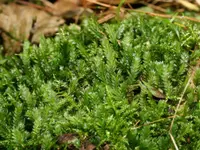
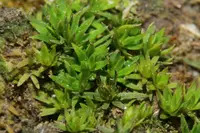
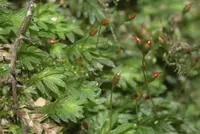
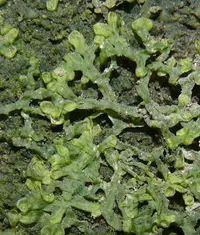
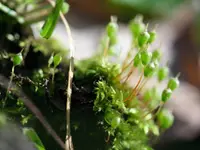
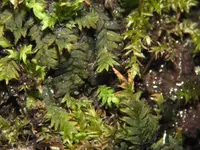
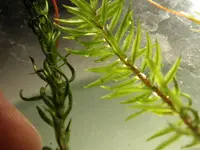
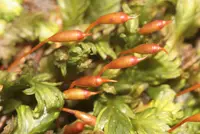
Fissidens adianthoides is a small aquatic and semi-aquatic moss often used in aquariums, terrariums, and paludariums. It forms neat, flat fronds that resemble tiny fern leaves.
In nature it typically grows on rocks, wood, and stream banks in cool, clean, slow-moving water across parts of North America and Europe. Its compact growth and strong attachment to surfaces make it stable and long-lasting in designed layouts.
This moss grows slowly but is quite adaptable once established, which makes it manageable if you understand how to care for fissidens moss. It prefers consistent moisture, gentle water movement, and soft, filtered light rather than harsh, direct sun.

Care Difficulty
Moderate Care

Light Preference
Partial Shade

Water Requirements
Keep Soil Moist

Temperature Preference
Cold Hardy

Hardiness Zone
3–8

Soil Texture
Loamy, Silty, Organic-rich

Soil pH
Acidic (5.5–6.5), Slightly acidic (6.5–7.0)

Soil Drainage
Waterlogged tolerant

Fertilization
Minimal (feed rarely)
Scan your plant to receive care tips personalized for your specific plant
Available on iOS and Android
This moss thrives in cool, consistently shaded sites with very gentle, indirect light.
This species prefers constantly moist conditions and reacts quickly to drying out.
This moss is adapted to cool to mild climates and tolerates a fairly wide outdoor temperature range.
This moss prefers consistently high humidity to stay dense and green.
This species thrives on moist, stable, fine-textured substrates rather than typical potting soil.
This moss is suitable for shallow containers, trays, or terrariums where moisture can be carefully controlled.
This moss species grows well with very little nutrient input, so fertilizing should be minimal and carefully diluted.
Pruning Fissidens adianthoides is mainly a light grooming task to maintain shape and health.
This moss is usually grown attached to stone, wood, or substrate, so transplanting is more common than true repotting.
Fissidens adianthoides is mainly propagated by division of existing mats rather than by spores in home culture.
This moss is quite cold tolerant outdoors and generally needs little special winter care once established.

Plant Health Check
Not sure what's wrong with your plant? Check your plant's health inside the app.
This species often grows partially or fully submerged along cold, fast-flowing streams, anchoring to rock, wood, or soil in splash zones where many other mosses cannot persist for long periods.
Its leaves are arranged in two neat rows on either side of the stem and have a clear midrib and border cells, giving a flattened, fern-like appearance that helps distinguish it from many other Fissidens species.
Populations are typically found in cool, well-oxygenated, low-nutrient waters, so their presence can indicate relatively unpolluted stream and river habitats in temperate regions.
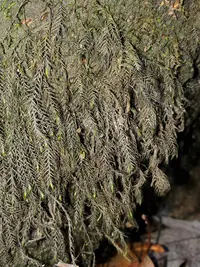
Growth is slow to moderate. New fronds usually appear over several weeks, with visible spreading over 3–6 months. It forms dense mats over time, especially on stable, moist surfaces with consistent conditions and low physical disturbance.
Keep your plants happy and healthy with plant identification, disease detection, and easy care guidance.