Rock Veilwort Care (Metzgeria conjugata)

Rock Veilwort

About Rock Veilwort

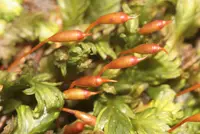
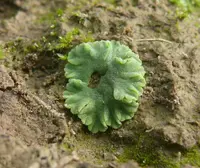
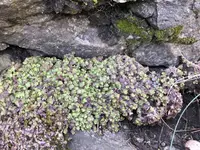
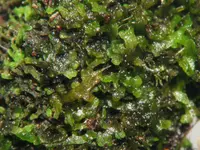
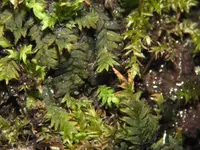
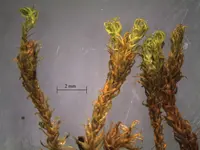
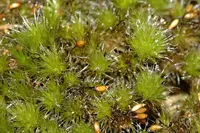
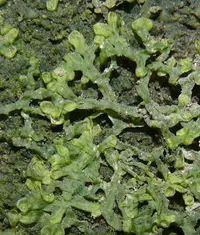
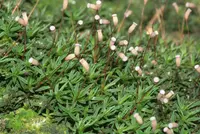
Rock veilwort, Metzgeria conjugata, is a small thallose liverwort that forms thin, flat green ribbons closely pressed to bark, rocks, and damp surfaces. It often appears as soft, overlapping patches that create a fine green veil.

This species is common in humid, shaded habitats such as woodland ravines, stream banks, and moist rock faces in temperate regions. It prefers consistently moist conditions, clean air, and protection from direct, drying sun.

Because it is delicate and sensitive to drought, it can be challenging to care for Rock Veilwort indoors or in exposed spots. It suits growers who can provide stable humidity and gentle, indirect light.

Main Plant Requirements

Care Difficulty

Moderate Care

Light Preference

Shade

Water Requirements

Keep Soil Moist

Temperature Preference

Cool Climate

Hardiness Zone

Unknown

Soil Texture

Peaty, Organic-rich, Rocky

Soil pH

Strongly acidic (4.5–5.5), Acidic (5.5–6.5)

Soil Drainage

Waterlogged tolerant

Fertilization

Minimal (feed rarely)

Get Personalized Care Plan

Scan your plant to receive care tips personalized for your specific plant

Available on iOS and Android

How to Care for the Rock Veilwort

This small liverwort prefers low, gentle light similar to a shaded forest floor.

  • Provide bright, indirect light or full shade with dappled sun, such as under shrubs or on north- or east-facing surfaces, 1–3 hours of weak morning sun is acceptable.
  • Protect Rock Veilwort from direct midday or afternoon sun, which can scorch fronds, dry out surfaces quickly, and stop growth.
  • In summer, increase shade or filtered light; in winter, allow slightly more open light while still avoiding harsh sun on exposed colonies.

This species needs consistently moist conditions and does not tolerate drying out.

  • Keep the substrate constantly damp, not flooded; surfaces such as rock or bark should feel moist to the touch at all times, never fully dry.
  • Use gentle watering like fine misting or slow dripping so Metzgeria conjugata is not physically disturbed or washed away, especially on vertical or sloping surfaces.
  • In hot or windy weather, increase misting frequency; signs of underwatering include crisp, pale patches, while overwatering shows as slimy, dark, decaying tissue.

This liverwort thrives in mild, cool to moderate temperatures with high humidity.

  • Aim for 50–70°F (10–21°C) for steady growth; growth slows noticeably above or below this range but can resume when conditions improve.
  • Avoid prolonged exposure below 32°F (0°C); light, brief frosts may be survived in sheltered crevices, but repeated freezing damages tissues.
  • Protect colonies from hot, dry conditions above 80°F (27°C); combine shade, moisture, and airflow to prevent overheating and desiccation during summer heat waves.

This species needs very high ambient humidity to grow well in cultivation.

  • Aim for 80–95% humidity, mimicking constantly damp, shaded rock or bark surfaces.
  • Tissue curling, shrinking, or turning dull and brittle signals humidity stress and desiccation risk.
  • Increase humidity by using enclosed terrariums, covered jars, or humid cabinets rather than open shelves.

This liverwort anchors best on consistently moist, fine-textured, organic-rich substrates rather than standard potting mixes.

  • Use a thin layer of milled sphagnum moss mixed with fine bark or leaf mold to create a soft, moisture-retentive surface.
  • Ensure the substrate is moist but never waterlogged by using a shallow tray or pot with free drainage beneath the moss layer.
  • Maintain a slightly acidic reaction, roughly pH 5.0–6.5, similar to natural habitats favored by Metzgeria conjugata.
  • Avoid coarse, gritty, or fast-drying mineral mixes that allow the delicate thallus to dry between waterings.

This species can be grown in very shallow containers when managed as a terrarium or humidity-controlled specimen.

  • Choose low, wide dishes or tiles to support creeping growth and keep the photosynthetic surface close to light.
  • Place the container inside a closed or semi-closed case so moisture released from the substrate remains around the plant.
  • Use inert mounting pieces such as smooth bark or rocks set in the container so the thallus can attach instead of sinking into loose media.

This small epiphytic liverwort needs very little feeding, as it is adapted to low-nutrient habitats.

Metzgeria conjugata requires almost no pruning, since its growth remains very fine and low.

This species is usually grown on bark, rock, or terrarium hardscape rather than in traditional pots.

  • Transplant only when mats overgrow their support, dry out too fast, or need repositioning in a terrarium.
  • Plan moves in mild seasons, avoiding temperature extremes that increase transplant shock.
  • Lift small patches gently with tweezers, keeping the substrate film and rhizoids attached.
  • Mist lightly and maintain high humidity for 1–2 weeks after moving to limit desiccation stress.

Metzgeria conjugata is commonly propagated by vegetative fragments rather than by spores in home culture.

  • Take tiny thallus pieces from healthy, actively growing edges in spring or early summer.
  • Press fragments onto moist, rough surfaces such as bark, lava rock, or unglazed clay.
  • Maintain constant, gentle moisture and high humidity with bright, indirect light.
  • Avoid strong water flow or handling until new growth clearly anchors to the substrate.

Outdoors in mild, frost-free or only lightly freezing climates, this liverwort usually needs little special winter care.

  • In regions with hard frost, grow Metzgeria conjugata on movable mounts or in terrariums.
  • Bring mounted or container-grown specimens indoors before temperatures drop below 32°F.
  • Keep winter conditions cool, humid, and shaded, avoiding drying indoor heating vents.

Care Tips

Substrate anchoring

Press small pieces of the thallus gently onto rough, permanently moist surfaces like lava rock, old bark, or porous cork so it can firmly anchor and spread instead of lifting or drying at the edges.

Gentle mist cleaning

Every 1–2 weeks use a fine mister or soft artist brush to remove settled dust, algae film, or peat particles from the thalli, which helps photosynthesis and prevents smothering of new growth.

Airflow management

Provide very light, indirect air movement using a small fan on a low, distant setting to reduce stagnant air and fungal issues, but avoid direct drafts that cause rapid surface drying.

Fragment propagation

To expand a colony, cut or tear small healthy fragments and place them flat onto fresh, moist substrate under high humidity, keeping them shaded until new growing tips appear and spread.

Terrarium micro-zoning

In a terrarium, place colonies on the shadiest, coolest vertical surfaces or rock crevices where water drains but does not pool, which creates a stable microclimate ideal for growing Rock Veilwort.

Common Pests and Diseases

Mite infestations

This pest often appears in warm, dry indoor setups or very sheltered terraria and can cause pale, speckled thalli and a dusty webbing on the liverwort surface. Symptoms include slowed growth and a dull, bleached look to the fronds.

Solution

Rinse the colony gently but thoroughly with clean, chlorine-free water and increase ambient humidity while improving air circulation without direct drafts. In terraria, temporarily lower temperature slightly, avoid strong drying air movement, and if needed introduce predatory mites or apply a very dilute insecticidal soap as a brief dip, then rinse again to protect the delicate tissue.

Springtail overpopulation

These insects are usually harmless decomposers but in very dense populations they can graze on tender new growth and damaged tissue of the thallus. Symptoms include ragged edges on new fronds and tiny white or gray insects jumping when the substrate is disturbed.

Solution

Reduce overfeeding of organic fertilizers, remove excess decaying plant material, and allow the surface to dry slightly between mistings while keeping the substrate just moist. In closed terraria, open the container more often, add more ventilation, and if needed physically remove some substrate or trap springtails with small pieces of moist vegetable matter that are discarded after they congregate.

Algal overgrowth

This disease-like condition occurs when free-living algae colonize the thallus and surrounding substrate, forming slick green films that compete for light and gas exchange. Symptoms include a shiny, slimy green coating on the rock or bark and a decline in vigor of the liverwort mat.

Solution

Reduce light intensity slightly, shorten light duration to about 8–10 h, and improve air movement so surfaces dry between mistings while the substrate stays lightly moist. Gently wipe or rinse affected surfaces with clean water, avoid nutrient-rich fertilizers, and, if possible, increase distance from bright artificial lights to limit algal growth while still supporting Metzgeria conjugata care.

Fungal leaf spots

This disease can develop in very still, saturated air and appears as small translucent, brown, or blackish patches that spread across the thin thallus. Symptoms include soft, water-soaked areas that later turn dry and necrotic, causing gaps in the mat.

Solution

Remove and discard heavily affected sections with clean scissors and avoid splashing water directly onto the thalli for a time. Increase gentle air circulation, keep humidity high but not dripping wet, and sterilize tools and containers; if problems persist, a very dilute bio-fungicide labeled safe for mosses and liverworts can be tested on a small area first.

Interesting Facts

Transparent leaf blades

This liverwort has extremely thin, almost transparent thalli (leaf-like bodies) that often appear as fine, glassy ribbons on rock faces, making it difficult to spot unless viewed very closely or with magnification.

Rock-dwelling specialist

It typically grows as a lithophyte on shaded, often vertical siliceous rocks near streams and waterfalls, tolerating constant surface moisture and periodic water splash but not prolonged drying.

Distinctive oil bodies

Its cells contain specialized oil bodies that are relatively uniform and diagnostic under a microscope, which bryologists use as an important character to separate it from closely related Metzgeria species.

FAQs about Rock Veilwort

This species generally thrives better outdoors in cool, shaded, constantly moist microhabitats such as rock faces, tree bark, or masonry. Indoors, it is challenging to maintain stable humidity and airflow, so Rock Veilwort indoor care is more advanced.

Grow Healthy Plants with Botan Care

Keep your plants happy and healthy with plant identification, disease detection, and easy care guidance.

Botan plant care app — identify plants on mobile

Explore More Plants