Triquetrella papillata Care

Triquetrella papillata

About Triquetrella papillata

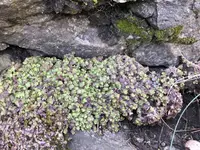
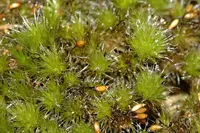
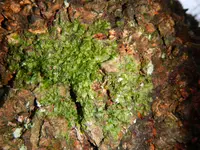
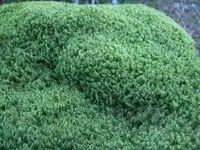
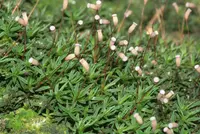
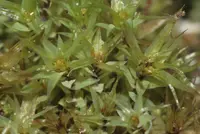
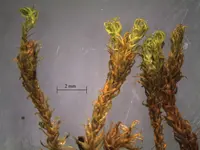
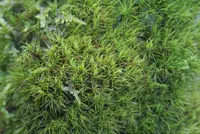
Triquetrella papillata is a small, cushion-forming moss that creates dense, bright to olive green mats on rocks, soil, or tree bases. It has fine, delicate leaves arranged around slender stems, giving it a soft, velvety texture.

This species is typically found in moist, temperate regions, often in sheltered, humid microhabitats such as shaded rock faces or woodland banks. It is relatively easy to maintain in cultivation if stable moisture and gentle, indirect light are provided.

Those who want to learn how to care for Triquetrella papillata should focus on consistent humidity, good air circulation, and a neutral to slightly acidic, well-drained substrate.

Main Plant Requirements

Care Difficulty

Moderate Care

Light Preference

Partial Shade

Water Requirements

Keep Soil Moist

Temperature Preference

Warm Climate

Hardiness Zone

Unknown

Soil Texture

Peaty, Organic-rich, Loamy

Soil pH

Strongly acidic (4.5–5.5), Acidic (5.5–6.5)

Soil Drainage

Moist but well-drained

Fertilization

Minimal (feed rarely)

Get Personalized Care Plan

Scan your plant to receive care tips personalized for your specific plant

Available on iOS and Android

How to Care for the Triquetrella papillata

This moss prefers soft, filtered light similar to a shaded forest floor.

  • Provide bright shade or dappled light, such as beneath shrubs or trees, with no more than 1–2 hours of gentle morning sun per day.
  • Protect Triquetrella papillata from direct midday or afternoon sun, which can dry and bleach the delicate shoots within a few days.
  • In summer, increase shade or use finer mulch to reduce light intensity, and in winter allow more open, indirect light where possible.

Moist, cool conditions are essential for healthy growth of this moss.

  • Maintain consistently damp substrate, allowing only the upper 2–3 mm to dry slightly before rewetting, rather than waiting for deeper drying.
  • Use gentle, low-pressure watering or misting so the cushions are moistened without being physically disturbed or washed away.
  • Reduce watering frequency in cooler seasons but do not let the moss become crispy; pale, brittle shoots signal underwatering, while slimy, foul-smelling patches indicate overwatering and stagnation.

This moss prefers mild, cool to moderate temperatures with good ambient humidity.

  • Aim for an active growth range of 50–70°F (10–21°C), where cushions stay dense and retain strong green color.
  • Protect from hard frost; short dips near 25°F (−4°C) may be tolerated if the substrate is moist, but repeated freezing and thawing can lift and damage mats.
  • In hot weather above 80°F (27°C), provide deeper shade and extra moisture, since sustained heat and drying winds can cause thinning and browning of exposed patches.

This moss prefers consistently moist air and benefits from elevated humidity.

  • Aim for 60–80% humidity; growth slows and fronds crisp at prolonged levels below 40%.
  • Dry air causes browning tips, shrinking cushions, and dull color in Triquetrella papillata.
  • Increase humidity with covered terrariums, humidity trays, or grouping near evaporating water, while maintaining steady air movement.

This moss anchors best on a fine, moisture-retentive yet aerated substrate rather than dense mineral soil.

  • Use a mix of milled sphagnum, fine bark, and a little sand to create a loose, fibrous structure that stays evenly moist.
  • Ensure rapid drainage so water does not pool; soggy, stagnant conditions quickly cause moss decay and algae overgrowth.
  • Aim for slightly acidic conditions around pH 5.0–6.5, which support healthy cushion formation and greener color.
  • Avoid heavy clay, compacted garden soil, or substrates enriched with synthetic fertilizers, which burn delicate tissues and reduce aeration.

This species is well suited to container culture, especially in shallow dishes, trays, or terrariums.

  • Choose a wide, shallow container to allow spreading mats while keeping the entire substrate profile consistently moist but not flooded.
  • Select plastic or glazed ceramic pots to slow evaporation, which helps maintain the high moisture microclimate moss requires.
  • Raise the container slightly on feet or mesh so excess water can drain away freely without leaving the base sitting in a tray of water.

This moss typically grows on nutrient-poor substrates, so Triquetrella papillata needs little to no supplemental fertilizer in cultivation.

Pruning needs are minimal, focused on maintaining a clean, healthy moss mat rather than shaping growth.

  • Best timing is during active growth in spring or early autumn, when recovery is fastest.
  • Gently remove dead, browned, or decayed patches using clean tweezers or small scissors.
  • Lift and thin out thick, compacted cushions to improve air flow and reduce rot risk.
  • Avoid cutting deeply into healthy green tissue to prevent desiccation and bare patches forming.

This species is usually grown on rocks, soil surfaces, or wood, so transplanting focuses on shifting whole cushions rather than traditional repotting.

  • Transplant when mats detach easily, growth slows, or the substrate breaks down and stays soggy.
  • Best timing is in cool, moist weather during spring or autumn to limit moisture stress.
  • Typical frequency is every 2–4 years, or only when the existing substrate is clearly degrading.
  • Lift moss gently with a thin tool, keep the underside moist, press onto fresh, stable substrate, then mist thoroughly.

Propagation of this moss is straightforward and mostly relies on division and re-establishing small fragments.

  • Best season is spring or a mild, moist autumn period for faster establishment.
  • Break or cut healthy cushions into small pieces and press gently onto fresh, clean substrate.
  • Maintain constant, gentle moisture and bright, indirect light to support new rhizoid and shoot formation.
  • For spore-based propagation, use sterile, fine substrate, keep evenly moist, and expect slow, gradual establishment.

This moss is generally cold hardy, so winter care is minimal in most temperate climates.

  • Tolerates light to moderate frost when kept evenly moist and not exposed to harsh drying winds.
  • In very cold regions, place container-grown mats in a sheltered, unheated but frost-sheltered spot.
  • Avoid freeze–thaw cycling on shallow trays by using a shaded, stable location or light insulating cover.

Care Tips

Use low-profile mounts

Attach the moss thinly to flat, inert materials like cork, lava rock, or plastic mesh to encourage even spreading and reduce stagnant pockets where rot and algae can build up.

Promote steady airflow

Place mounted patches where there is gentle, constant air movement from a small fan or open vent to keep the moss surface just-dry-between-mistings and discourage fungal growth.

Rinse to reduce buildup

Every 4–6 weeks, gently rinse the colony with low-mineral water to wash away dust and dissolved salts that can accumulate from tap water and slow growth.

Use shaded water trays

If increasing local humidity with a water tray beneath the culture, keep the tray in shade and refresh the water frequently to prevent algae and mosquito larvae from developing.

Divide and reset

Periodically peel and divide older, crowded cushions into smaller sections and remount them onto fresh substrate to maintain vigor and encourage compact new growth when caring for Triquetrella papillata.

Common Pests and Diseases

Mite desiccation damage

This pest causes fine bleaching, bronzing, and a dry, patchy appearance across moss cushions, especially in hotter, exposed spots. Symptoms include very fine webbing between shoots and crumbly, dehydrated tips that stop growing.

Solution

Rinse the moss gently but thoroughly with clean, soft water to dislodge mites, then increase ambient humidity and reduce direct air drafts or heat sources. In persistent cases, use a targeted acaricide labeled safe for mosses at low concentration and repeat after 7–10 days, avoiding strong soaps or oils that can smother the gametophytes, which are the green, leaf-like structures.

Springtail overpopulation

These insects normally live harmlessly in moist moss but can become problematic when populations explode in saturated, poorly ventilated setups. Symptoms include dense swarms moving through the moss surface and gradual thinning where they continually disturb young shoots and spores.

Solution

Allow the substrate to drain more fully between waterings, improve airflow, and siphon off excess standing water in terrariums or culture trays. If numbers remain very high, flood-rinse the moss with dechlorinated water to wash out springtails, then re-establish it on clean, well-drained substrate and feed less organic material so colonies stay balanced while growing Triquetrella papillata.

Algal overgrowth

This disease-like condition occurs when green algae coat the moss surface under constant saturation and strong light, leading to smothered, darker patches that lose texture and vigor. Symptoms include slick, shiny green films or crusts that cover the leaf tips and prevent normal photosynthesis, the light-driven process that makes plant sugars.

Solution

Reduce light intensity slightly, shorten light duration to 8–10 hours, and improve drainage so the surface does not stay waterlogged. Gently brush or rinse away algal films with soft water, then increase air movement and avoid nutrient-rich fertilizers or runoff that feed algae while keeping the moss only evenly moist, not submerged.

Fungal shoot blight

This disease appears in overly dense, constantly wet cushions as localized brown or gray patches that collapse and fail to recover, sometimes with fine fungal threads at the base. Symptoms include soft, slimy shoots that detach easily and a mottled boundary where healthy green gradually turns dull and water-soaked.

Solution

Carefully remove and discard affected clumps, then thin crowded areas so air can move between cushions and surfaces can dry slightly between waterings. Water early in the day with clean, low-mineral water, avoid overhead misting in stagnant environments, and if spread continues, apply a low-dose, moss-safe fungicide spot treatment while monitoring closely for any phytotoxicity, which means chemical injury to plant tissue.

Interesting Facts

Rock-crevice specialist

This moss typically grows in tiny soil pockets within rock crevices or on thin, gritty substrates, often on exposed slopes where few other bryophytes can persist.

Distinctive papillose leaves

Its leaf cells bear small surface projections called papillae, which scatter light and may help reduce water loss while giving the plant a subtly roughened texture under magnification.

Triangular shoot appearance

Viewed from above, the shoots often show a three-angled, somewhat triangular outline, a growth pattern that inspired the genus name Triquetrella, meaning three-cornered.

FAQs about Triquetrella papillata

This moss forms low, creeping mats but is not considered aggressively spreading. It enlarges slowly where moisture and shade are stable, and is easy to control by gently lifting or trimming edges during routine maintenance.

Grow Healthy Plants with Botan Care

Keep your plants happy and healthy with plant identification, disease detection, and easy care guidance.

Botan plant care app — identify plants on mobile

Explore More Plants