Narrow Mushroom-headed Liverwort Care (Marchantia quadrata)

Also known as: Northern Mushroom-headed Liverwort
Narrow Mushroom-headed Liverwort

About Narrow Mushroom-headed Liverwort

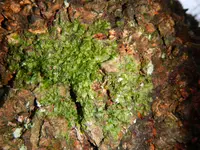
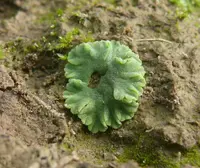
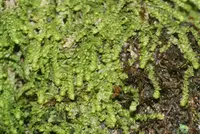
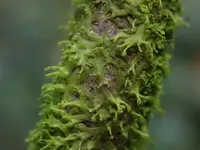
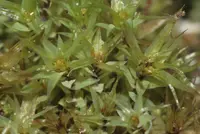
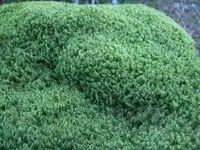
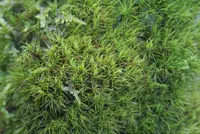
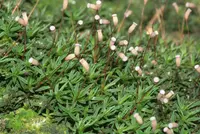
Narrow mushroom-headed liverwort (Marchantia quadrata) is a small, non-vascular plant that forms flat, green mats pressed close to the substrate. The surface often shows a neat pattern of polygonal segments, with tiny, narrow stalked structures that resemble miniature mushrooms when reproductive bodies develop.

This species typically grows in cool, moist habitats such as shaded rocks, stream banks, and damp soil in temperate regions. It spreads quickly in consistently humid spots, which can make it both easy to establish and persistent once conditions suit it.

Those who care for Narrow Mushroom-headed Liverwort should provide steady moisture, low to moderate light, and a neutral to slightly acidic, low-nutrient substrate for best appearance and growth.

Main Plant Requirements

Care Difficulty

Moderate Care

Light Preference

Partial Shade

Water Requirements

Keep Soil Moist

Temperature Preference

Cool Climate

Hardiness Zone

Unknown

Soil Texture

Loamy, Silty, Organic-rich

Soil pH

Acidic (5.5–6.5), Slightly acidic (6.5–7.0)

Soil Drainage

Waterlogged tolerant

Fertilization

Minimal (feed rarely)

Get Personalized Care Plan

Scan your plant to receive care tips personalized for your specific plant

Available on iOS and Android

How to Care for the Narrow Mushroom-headed Liverwort

This species prefers low to moderate light that mimics shaded, moist habitats where Narrow Mushroom-headed Liverwort naturally occurs.

  • Provide bright, indirect light or dappled shade, with 1–3 hours of soft morning sun and no harsh midday or afternoon sun exposure.
  • Grow in partial to full shade outdoors, under shrubs, taller plants, or shade cloth that filters at least 50–70% of direct sunlight.
  • Watch for pale, bleached patches as a sign of too much sun, and thin, elongated growth as an indicator of insufficient light, especially in summer.

This liverwort needs consistently moist conditions and is highly sensitive to drying out.

  • Keep the substrate constantly damp, not soggy, so the surface never fully dries; lightly mist or gently soak whenever the top feels just barely moist rather than wet.
  • Use fine-textured, moisture-retentive but not waterlogged soil or substrate, with very slow drainage similar to a marshy or seepage area.
  • Monitor for pale, shriveled thalli as a sign of underwatering and foul odor, slimy patches, or surface algae as indicators of chronic overwatering and stagnation affecting Marchantia quadrata.

Stable cool to mild temperatures support healthy growth and colony expansion for this liverwort.

  • Aim for 50–70°F (10–21°C) as the main growing range, which supports steady development without heat stress.
  • Protect from frost; brief dips to 32°F (0°C) may cause damage, and prolonged exposure below 28°F (-2°C) can kill exposed tissue.
  • Limit strong heat; temperatures above 80°F (27°C), especially with direct sun, increase desiccation risk, so provide extra shade and moisture during hot, dry spells.

This liverwort needs very high, constant humidity to form healthy, flat thalli.

  • Aim for 80–100% humidity; it declines quickly in air below 60%.
  • Dry air causes curled, brittle edges and pale, shrunken patches on Narrow Mushroom-headed Liverwort thalli.
  • Increase humidity with a covered tray, terrarium-style container, or by placing pots over consistently moist (not flooded) pebbles.

Marchantia quadrata prefers a constantly moist, fine-textured, organic substrate rather than standard potting soil.

  • Use a mix of sieved compost, leaf mold, and fine sand to create a soft, cohesive, organic-rich surface layer.
  • Keep drainage moderate: the surface should stay saturated to glistening, while excess water can slowly seep away below.
  • Aim for slightly acidic to neutral conditions (pH 5.5–7.0), avoiding limy, strongly alkaline substrates that inhibit growth.
  • Avoid coarse bark, chunky perlite, or gravelly mixes that dry quickly or create gaps where thalli cannot anchor properly.

This species is suitable for shallow containers that hold steady surface moisture.

  • Choose a wide, shallow tray so the thalli can spread as a thin carpet without deep water collecting underneath.
  • Use a heavy or stable container so the constantly wet, surface-saturated substrate does not tip or shift easily.
  • Line the bottom with a thin layer of fine gravel under the substrate to slow drainage slightly while still preventing waterlogging at the base.

Marchantia quadrata typically needs very little feeding, especially when grown on nutrient-rich, damp substrates.

  • Use a very dilute balanced liquid fertilizer (around 1/8–1/4 strength, such as 10-10-10) only if growth is pale or weak.
  • Apply at most once every 4–6 weeks during active growth in spring–summer for Narrow Mushroom-headed Liverwort kept in controlled containers.
  • Avoid fertilizing in winter or dormant periods to reduce algae and moss competition on the substrate.
  • Rinse the substrate lightly with water after feeding to prevent fertilizer salt buildup on the thallus surface.

Pruning Marchantia quadrata is minimal and focuses on hygiene and growth control rather than shaping.

  • Trim away dead, decaying, or moldy thallus sections with small, clean scissors to limit fungal issues.
  • Remove overcrowded or excessively thick patches to improve airflow and light penetration across the colony surface.
  • Thin edges where the liverwort is encroaching on neighboring plants or sensitive mosses.
  • Disinfect tools before and after use with alcohol to avoid spreading pathogens between containers or trays.

This liverwort is usually grown as a ground cover in shallow trays or on rocks, so management focuses on transplanting colonies rather than true repotting.

  • Transplant when growth forms dense mats, shows slow expansion, or when algae and moss competition becomes heavy.
  • Best timing is in cool, moist seasons such as early spring or early autumn, avoiding heat and drying winds.
  • Lift small patches with a thin spatula, keeping the moist substrate layer attached to reduce rhizoid disturbance and stress.
  • Re-set fragments onto fresh, damp, low-nutrient substrate, mist gently, and keep in high humidity until growth resumes.

Marchantia quadrata is commonly propagated vegetatively, using its natural structures rather than seeds for most home setups.

  • Use small thallus fragments or gemmae (tiny asexual bodies) collected from surface cups for the most reliable results.
  • Carry out propagation in spring or early autumn when humidity is high and temperatures are mild.
  • Press fragments gently onto a consistently moist, shaded, low-nutrient substrate without burying them.
  • Maintain very high humidity and soft, indirect light to prevent desiccation while new growth anchors and spreads.

In many temperate climates, Marchantia quadrata is quite cold tolerant and usually needs little specific winter care outdoors.

  • In regions with severe freezes below about 15°F, grow Marchantia quadrata in shallow containers that can be moved to a cold, frost-free shelter.
  • Keep substrate just barely moist in winter, avoiding waterlogged conditions that can freeze and damage tissues.
  • For outdoor patches, surrounding soil with light leaf litter can moderate temperature swings without smothering the thalli.

Care Tips

Shallow Tray Setup

Grow colonies in a wide, shallow tray or basin lined with fine-textured substrate so the thalli can spread as a continuous mat instead of stacking and rotting in deeper containers.

Controlled Water Film

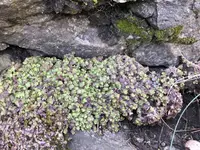
Irrigate so that only a thin water film covers the surface, using a mister or gentle drip, and avoid submerging the thalli for long periods to prevent anaerobic conditions and tissue decay.

Regular Thallus Thinning

Lift and discard older, darkened, or crowded thallus sections every few weeks so younger growth has space, light, and airflow, which reduces rot and fungal issues.

Disciplined Algae Management

If green algae begin to coat the substrate or thalli, briefly shade the container, improve airflow, and gently rinse with dechlorinated water to keep the liverwort dominant without harsh chemicals.

Clean Propagation Pieces

When dividing mats to grow Marchantia quadrata, select only firm, bright-green fragments and rinse them lightly before placing in the new tray to limit transfer of pests, mosses, or competing liverworts.

Common Pests and Diseases

Green algae overgrowth

This problem appears as bright green, slimy films or patches that spread over the thallus surface, often in very wet, nutrient-rich settings. Symptoms include reduced vigor and shading of the liverwort tissue.

Solution

Reduce nutrient levels by avoiding fertilizer splash or runoff, increase air movement, and slightly reduce shade so the surface dries between waterings. Manually rinse or gently brush off excess algae from the colony, then adjust watering so the substrate stays evenly moist but not constantly waterlogged.

Filamentous fungi

This disease shows as fine white or gray fungal threads and sometimes small fuzzy patches crossing the thallus, especially in stagnant, overly humid enclosures. Symptoms include softening and localized decay of the tissues under the fungal growth.

Solution

Improve ventilation, slightly lower humidity, and thin overly dense patches to increase airflow over the thallus. Carefully remove and discard affected tissue and, if spread continues, apply a mild fungicide suitable for mosses and liverworts at reduced strength, testing on a small area first as part of Marchantia quadrata care.

Sciarid larvae (fungus gnats)

These insects lay eggs in constantly damp substrates, and the larvae feed on decaying organic matter as well as delicate liverwort tissues. Symptoms include thinning, pitted areas of thallus and a noticeable presence of small black gnats flying above the container surface.

Solution

Allow the top layer of the substrate to become just slightly less wet while keeping the liverwort moist, and reduce organic debris on the surface. Use yellow sticky traps to catch adult gnats and, if needed, treat the substrate with a biological control such as Bacillus thuringiensis israelensis (BTI) according to label directions, avoiding direct application on the thallus when possible.

Mite feeding damage

This pest is caused by tiny mites that feed on soft tissues, leaving pale speckling, roughened patches, or fine pits on the thallus, often in warm, enclosed setups. Symptoms include gradual loss of color and a dull, rough surface texture.

Solution

Increase humidity stability and airflow, then gently rinse the colonies under a soft stream of water to dislodge mites. For persistent infestations, apply a low-toxicity miticide or insecticidal soap labeled for use on delicate ornamentals at very dilute strength, testing a small section first and repeating only as needed.

Interesting Facts

Distinct quadrate thallus

The thallus of this liverwort forms very regular, square to rectangular segments, which is why it is called quadrata. This pattern makes it easy to distinguish from the more irregular patches of other Marchantia species in the field.

Specialized reproductive cups

It produces small cup-like splash cups that hold lens-shaped gemmae used for asexual reproduction. Raindrops disperse these gemmae short distances, allowing colonies to expand across suitable, damp rock or soil surfaces.

Preference for calcareous sites

This species is often associated with moist, lime-rich or calcareous rock and soil, such as shaded limestone outcrops and masonry. Its presence can indicate stable, humid microhabitats with relatively high base-rich substrate conditions.

FAQs about Narrow Mushroom-headed Liverwort

This species spreads by creeping, flattened thalli and tiny reproductive structures, so it can colonize damp, bare surfaces quickly. In containers or small shade gardens, it may form dense mats and should be thinned if it starts crowding other plants.

Grow Healthy Plants with Botan Care

Keep your plants happy and healthy with plant identification, disease detection, and easy care guidance.

Botan plant care app — identify plants on mobile

Explore More Plants