Opal Thread-moss Care (Pohlia cruda)

Also known as: pohlia moss, Opal Nodding Moss
Opal Thread-moss

About Opal Thread-moss

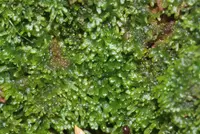
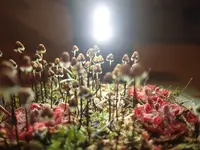
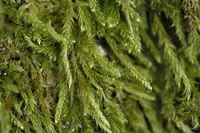
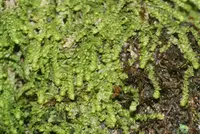
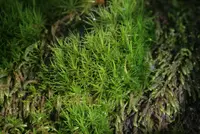
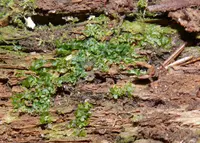
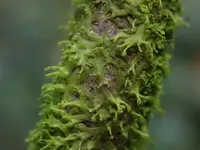
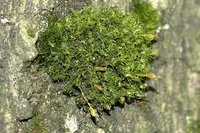
Opal thread-moss (Pohlia cruda) is a small, cushion-forming moss often found on damp soil, rotting wood, and rocky ground. It forms soft, low mats with fine, upright stems and tiny, bright to yellow-green leaves.

This moss occurs widely across cooler regions of the Northern Hemisphere, especially in forests, stream banks, and disturbed ground. It is relatively adaptable but prefers consistent moisture, cool to mild temperatures, and low to moderate light.

Because it has no true roots and absorbs water and nutrients over its surface, it reacts quickly to drying and air movement. Once basic needs are understood, it is straightforward to care for Opal Thread-moss in stable indoor or terrarium conditions.

Main Plant Requirements

Care Difficulty

Moderate Care

Light Preference

Partial Shade

Water Requirements

Keep Soil Moist

Temperature Preference

Cold Hardy

Hardiness Zone

3–8

Soil Texture

Loamy, Rocky, Organic-rich

Soil pH

Strongly acidic (4.5–5.5), Acidic (5.5–6.5)

Soil Drainage

Moist but well-drained

Fertilization

Minimal (feed rarely)

Get Personalized Care Plan

Scan your plant to receive care tips personalized for your specific plant

Available on iOS and Android

How to Care for the Opal Thread-moss

This moss prefers cool, soft light that mimics shaded forest or rocky habitats.

  • Provide bright, filtered light with 1–3 hours of gentle morning sun; avoid harsh midday and afternoon sun that can scorch cushions and cause browning.
  • Grow Pohlia cruda in partial to full shade outdoors, such as the north side of rocks, tree bases, or shaded walls, where light is dappled through foliage.
  • In summer, increase shade or move it deeper into cover, while in low-light winter conditions, ensure at least a few hours of indirect daylight to maintain dense growth.

This moss needs consistently moist conditions and does best in damp, cool sites.

  • Keep the substrate evenly moist, not waterlogged; surface should feel damp to the touch but never have standing water, which promotes rot and algae.
  • Water lightly whenever the surface begins to lose its sheen or feels just barely moist; in hot, dry spells, this may mean misting or soaking once a day outdoors.
  • Reduce watering frequency in cool, wet seasons, letting natural rainfall dominate, and watch for pale, crisp tips as a sign of drying or limp, dark patches as a sign of excess moisture.

This species prefers cool to mild temperatures and does not tolerate extreme heat or severe drying.

  • Aim for 45–65°F (7–18°C) for steady growth, which matches moist woodland and streamside conditions where this moss commonly occurs.
  • It can survive light frosts down to about 20–25°F (-6 to -4°C) if kept moist, but prolonged hard freezes without insulating snow can damage cushions.
  • Above 75–80°F (24–27°C), growth slows and desiccation risk rises, so provide deep shade, higher humidity, and frequent misting during hot, dry periods.

This moss prefers consistently moist air but tolerates a range of humidity if the substrate stays damp.

  • Aim for 60–90% humidity, especially in shallow trays or terrariums, to keep cushions dense and green when caring for Opal Thread-moss.
  • In dry indoor air below 40%, tips may brown, shrink, or become brittle, showing humidity stress.
  • Increase humidity with a covered but ventilated container, grouped trays with water beneath but not touching, or frequent fine misting without soaking.

Pohlia cruda thrives in moist, fine-textured, organic-rich substrates that still allow some air movement around rhizoids.

  • Use a mix of sifted leaf mold or peat, fine compost, and 20–30% horticultural sand to create a thin, even surface layer.
  • Ensure the substrate is moist but not waterlogged; excess standing water quickly leads to decay in the lower moss layer.
  • Slightly acidic conditions around pH 5.0–6.0 suit this species; avoid alkaline mineral soils and heavily limed mixes.
  • Improve drainage and aeration by using shallow trays with a base of fine sand or grit, topped with a thin organic-rich mossing layer.

This species is well-suited to container culture, especially in shallow trays or pans.

  • Choose a broad, shallow container so the moss can spread laterally while the substrate remains evenly moist.
  • Select a heavier or ceramic container outdoors to reduce rapid moisture loss and prevent trays from shifting in wind.
  • Raise the container slightly on feet or mesh so drainage holes stay clear and excess water escapes quickly after watering.

Pohlia cruda is adapted to low-nutrient habitats and usually needs no added fertilizer in typical moss culture.

Pohlia cruda benefits from light grooming rather than true pruning to keep cushions neat and healthy.

  • Trim away brown, dead, or moldy patches at any time using fine scissors or tweezers.
  • Remove crowded or overgrown tufts by pinching them off the substrate surface, leaving healthy green growth.
  • Groom gently to maintain a low, even carpet and encourage fresh shoots from the remaining tissue.
  • Disinfect tools with alcohol before and after use to limit fungal or algal problems.

This moss is usually grown on shallow substrates, so transplanting focuses on renewing the surface rather than disturbing roots.

  • Transplant when cushions thin out, detach from the substrate, or show patchy, declining growth.
  • Choose mild weather in spring or early fall for outdoor patches, or cool, stable conditions indoors.
  • Every 1–2 years, shift small mats onto fresh, clean substrate rather than moving whole clumps with compacted material.
  • Moisten the substrate first, press the moss gently into contact, then keep evenly humid to reduce transplant shock.

Pohlia cruda propagation is straightforward using small fragments of leafy shoots on a suitable moist substrate.

  • Divide healthy tufts in spring or early fall, tearing them gently into smaller pieces by hand.
  • Press fragments onto moist, acidic, fine-textured substrate and mist lightly to settle them in place.
  • Maintain bright, indirect light, high humidity, and good air movement for steady new shoot formation.
  • For spore-based propagation, allow capsules to mature, then sow spores thinly on sterile, consistently damp medium.

This moss is generally cold hardy and overwintering needs are minimal in most temperate climates.

  • In-ground cushions tolerate frost and snow, usually resuming growth in spring without intervention.
  • For shallow trays or containers, move to a sheltered but cool spot to avoid repeated freeze–thaw cycles.
  • Keep the substrate barely moist in winter, avoiding waterlogged conditions that increase rot risk.

Care Tips

Use Shallow Trays

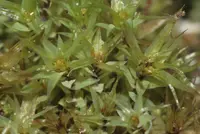
Grow cushions on a wide, shallow tray with a 0.5–1 cm mineral substrate so the colony spreads evenly and dries quickly enough between misting to avoid rot.

Cool-Season Boost

Increase moisture and light slightly in fall–spring when temperatures are cooler, as this moss often grows more actively in cool conditions than in the peak of summer heat.

Gentle Division

To propagate or thicken a patch, lift small clumps with a thin spatula, then press them lightly onto fresh damp substrate so rhizoids (anchoring filaments) can reattach without drying out.

Avoid Organic Mulch

Keep leaf litter, bark, or peat away from the colony surface, since accumulating organic debris encourages algae and fungi that can smother the fine shoots.

Use Rain Or RO Water

Prefer rainwater or reverse-osmosis water, especially in hard-water areas, to prevent carbonate deposits that can form a crust over the moss and hinder gas exchange when growing Opal Thread-moss.

Common Pests and Diseases

Slime molds

This disease appears as slimy, often brightly colored patches that spread over cushions of moss, especially in very wet, nutrient-rich spots. Symptoms include temporary suffocation and browning of affected shoots as the slime layer blocks light and air.

Solution

Gently rinse or brush off visible slime masses and improve drainage so the substrate is moist but not waterlogged. Reduce organic debris and excess nutrients around the moss and increase air movement; persistent outbreaks in cultivation are best managed by thinning dense patches and avoiding heavy fertilization when growing Opal Thread-moss.

Green algae overgrowth

This disease presents as a smooth, often shiny green film that coats the moss and underlying substrate, thriving in stagnant, nutrient-enriched water and strong light. Symptoms include reduced vigor as the algae shade the moss and compete for light and dissolved nutrients.

Solution

Carefully flush the surface with clean, low-nutrient water and physically disturb or wipe away thick algal films without shredding the moss. Lower nutrient inputs, maintain gentle water movement or better airflow, and provide bright but filtered light to favor moss recovery over algae growth.

Springtails

These insects are tiny, pale to dark jumping arthropods that often appear in very moist moss cultures and terrariums. This pest usually feeds on decaying organic matter but can irritate fine moss tissues when populations explode, leading to thinning patches and uneven growth.

Solution

Allow the surface to dry slightly between mistings while keeping the moss uniformly damp below, which lowers their numbers without harming the plant. Remove excess leaf litter, rinse the moss gently in clean water, and, if needed, introduce predatory mites or use a mild insecticidal soap drench targeted at the substrate rather than the whole colony.

Moss mites

These insects are actually tiny arachnids that graze directly on moss cells, causing a patchy, grazed appearance and a dull, grayish tone on affected mats. Symptoms include slow thinning of cushions and reduced new shoot formation in heavily infested areas.

Solution

Submerge the moss briefly in clean, cool water and swish gently to dislodge mites, then drain well to avoid prolonged saturation. Improve air circulation, avoid chronic overfeeding with nutrients, and in closed setups consider introducing biological controls such as predatory mites instead of chemical treatments.

Fungal damping-off

This disease occurs in very young moss protonema and newly establishing fragments, causing them to collapse into a translucent, mushy layer that fails to develop into stable shoots. Symptoms include sudden loss of fresh green growth in overly wet, stagnant conditions or on contaminated substrates.

Solution

Remove and discard severely affected sections and re-establish the moss on a fresh, well-rinsed, low-nutrient substrate. Maintain only constant, light surface moisture with good airflow, sterilize reused containers, and avoid heavy organic additives to reduce fungal spore loads and support healthy Pohlia cruda plant care.

Interesting Facts

High-altitude specialist

This moss often colonizes recently exposed, nutrient-poor mineral soils in subalpine and alpine zones, especially near melting snowbeds and glacial forelands in the Northern Hemisphere.

Early-stage colonizer

It frequently appears as one of the first bryophytes on disturbed ground such as landslides, road cuts, or gravel bars, helping stabilize loose substrate and prepare it for later plant succession.

Color-shifting cushions

Its dense, small tufts can shift from bright green when moist to duller or slightly reddish tones in strong light or drier conditions, a response linked to protective pigments that reduce light stress.

Botan icon

Did you know?

Pohlia cruda has been recorded growing on metal-rich and otherwise harsh industrial substrates, such as mine waste and cinder deposits, demonstrating notable tolerance for chemically challenging environments compared with many other mosses.

FAQs about Opal Thread-moss

This moss forms low, tufted patches that expand slowly by spores and short creeping stems. It can gradually carpet small areas in suitable, moist spots but is not considered aggressive and is easy to keep contained.

Grow Healthy Plants with Botan Care

Keep your plants happy and healthy with plant identification, disease detection, and easy care guidance.

Botan plant care app — identify plants on mobile

Explore More Plants