mamillate plait-moss Care (Hypnum andoi)

mamillate plait-moss

About mamillate plait-moss

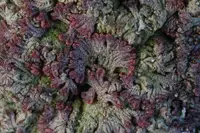
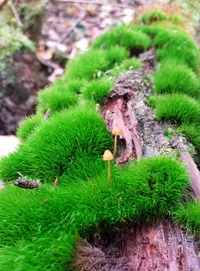
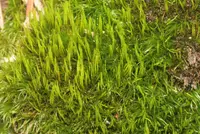
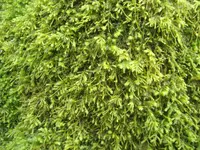
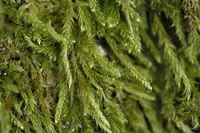
Mamillate plait-moss (Hypnum andoi) is a creeping moss that forms soft, dense mats of overlapping, glossy green stems. It often covers rocks, logs, and soil in moist, shaded habitats.

This species is native to parts of Europe but is also found in other temperate, humid regions, mainly in woodlands and along streams. Its fine texture and carpet-forming habit make it useful for naturalistic terrariums and shaded garden features.

Hypnum andoi is generally considered adaptable and relatively easy to establish if kept consistently moist and protected from strong sun and drying winds. Understanding how to care for mamillate plait-moss mainly involves providing stable humidity, gentle light, and a neutral to slightly acidic, low-nutrient substrate.

Main Plant Requirements

Care Difficulty

Moderate Care

Light Preference

Partial Shade

Water Requirements

Keep Soil Moist

Temperature Preference

Cool Climate

Hardiness Zone

6–9

Soil Texture

Loamy, Silty, Organic-rich

Soil pH

Strongly acidic (4.5–5.5), Acidic (5.5–6.5)

Soil Drainage

Moist but well-drained

Fertilization

Minimal (feed rarely)

Get Personalized Care Plan

Scan your plant to receive care tips personalized for your specific plant

Available on iOS and Android

How to Care for the mamillate plait-moss

Hypnum andoi prefers soft, indirect light that mimics the dappled shade of woodland habitats.

  • Provide bright, filtered light or open shade, such as under shrubs or trees, with 1–3 hours of gentle morning sun and no harsh afternoon sun.
  • Tolerates full shade but growth of mamillate plait-moss may become looser and paler if light is extremely low for months.
  • Avoid direct midday sun, which can scorch cushions and dry them out; in hot summers, increase shade or use light ground cover screening.

Hypnum andoi thrives with consistently moist but not stagnant conditions.

  • Keep the substrate damp to the touch, allowing only the top surface to start feeling slightly less wet before rewetting; avoid letting it become crisp-dry.
  • Use soft spray or gentle watering so the moss is rehydrated without disturbing its mat, and ensure the site drains freely so no standing water remains after 1–2 hours.
  • In hot, dry weather, increase misting or light watering frequency; signs of underwatering include dull, brittle fronds, while persistent sour smell suggests waterlogging.

This moss favors cool to mild conditions typical of shaded, moist forest floors.

  • Optimal growth occurs around 50–68°F (10–20°C), especially in sheltered, humid sites with stable moisture.
  • Tolerates down to about 23°F (−5°C) if kept moist and shaded, but repeated freeze–thaw on exposed sites can damage shallow mats.
  • Handles short heat spells up to 80–86°F (27–30°C) if humidity stays high and direct sun is avoided; in hot, dry periods, provide extra shade and moisture.

This moss prefers consistently moist, high-humidity conditions to keep cushions dense and green.

  • Aim for 60–90% humidity, as Hypnum andoi naturally grows in very damp, sheltered habitats.
  • Dry indoor air causes crisping tips, dull color, and patchy dieback on the moss mat.
  • Place trays of water nearby, group plants, or use a fine-mist sprayer daily to raise local humidity.
  • For caring for mamillate plait-moss, avoid direct airflow from vents or fans that accelerates surface drying.

This moss grows best on moist, stable, organic-rich substrates rather than conventional potting soil.

  • Use a mix of 70–90% fine, decomposed leaf litter or peat-free compost with 10–30% fine sand for structure.
  • Maintain constant moisture but allow slow drainage; soil should feel spongy, not waterlogged or soupy.
  • Target a slightly acidic pH around 5.0–6.5, similar to forest floor conditions favored by Hypnum andoi.
  • Avoid dense clay, sterile gravel-only bases, and strongly alkaline materials like fresh lime or concrete rubble.

This species can be grown in shallow containers or trays that mimic a consistently moist forest substrate.

  • Choose a broad, shallow tray so the moss can spread as a mat without deep, saturated pockets of water.
  • Line the base with a thin layer of coarse grit or mesh to slow drainage slightly while preventing stagnation.
  • Prefer plastic or glazed ceramic containers, which retain surface moisture more evenly than unglazed terracotta.

Hypnum andoi is adapted to low-nutrient environments and usually needs little to no additional fertilizer in cultivation.

Pruning Hypnum andoi focuses on light grooming rather than structural cutting.

  • Carry out light trimming in spring or early summer when moss is actively growing.
  • Pinch or snip off browned, dead, or contaminated patches to keep cushions even and healthy.
  • Use small, clean scissors to reduce disturbance to surrounding shoots and avoid tearing.
  • After pruning, mist gently to settle loosened fragments and encourage even new growth.

Transplanting Hypnum andoi usually means shifting mats to a new surface rather than classic pot repotting.

  • Transplant in cool, moist weather during spring or fall to limit moisture loss and stress.
  • Move mats when growth looks thin, patchy, or shaded out, rather than on a fixed schedule.
  • Lift moss in broad sheets with attached substrate so rhizoids remain intact and undisturbed.
  • Press mats firmly onto the new, rough, moist surface and keep evenly damp for 2–3 weeks.

Propagation of Hypnum andoi relies on vegetative division of the moss cushions rather than seed sowing.

  • Plan division in spring or fall when conditions are cool and consistently moist.
  • Gently tear or cut mats into small sections, each with healthy green shoots and some attached substrate.
  • Lay divisions on compact, acidic, moist surfaces such as rock, bark, or low-nutrient soil.
  • Mist frequently with soft water and keep shaded until new growth anchors and spreads.

This moss is generally cold hardy and needs little specific winter care in most temperate climates.

  • Tolerates light to moderate frost once established, especially on well-drained surfaces.
  • In very exposed sites, accumulated ice or heavy crusted snow can be gently broken up to avoid smothering.
  • Container-grown mats benefit from placement in a shaded, frost-sheltered area with consistent moisture.

Care Tips

Use neutral water

Collect rainwater or use filtered, low-mineral water to mist and hydrate the moss, since hard tap water can leave deposits on the foliage and gradually inhibit growth.

Provide stable substrate

Press the moss firmly onto a rough, stable surface such as bark, shaded stone, or compacted peat-based medium so the rhizoids can anchor well and create an even, dense carpet.

Control air movement

Place the moss where air movement is gentle rather than drafty, since constant moving air dries thin moss mats quickly and forces more frequent, stressful rewetting.

Seasonal moisture adjustment

In heated indoor spaces during winter, increase misting frequency and use a shallow humidity tray nearby, as dry indoor air pulls moisture from the moss much faster than in mild seasons.

Minimal handling practice

Limit touching or rearranging the cushions, and use blunt tweezers rather than fingers when adjustments are necessary, because the delicate stems bruise easily and repeated handling slows growing mamillate plait-moss.

Common Pests and Diseases

Fungal leaf blight

This disease causes patchy brown or black necrotic spots on moss cushions, often spreading in warm, stagnant, and shaded air with excess moisture. Symptoms include thinning mats, weak new growth, and localized dieback.

Solution

Reduce constant surface wetness by spacing pieces of moss, improving air movement, and avoiding heavy overhead watering. Remove and discard affected tufts, then lightly mist rather than soak, and if needed apply a diluted copper-based fungicide labeled for moss in naturalistic plantings, following local regulations for Hypnum andoi care.

Algal overgrowth

This condition appears as slippery green films or crusts that coat the moss surface, blocking light and limiting gas exchange. Symptoms include dull color, reduced growth, and patches where moss stops spreading.

Solution

Decrease nutrient run‑off and organic debris, increase light within the suitable low to medium range, and improve drainage so surfaces are not constantly waterlogged. Gently rinse or brush off algal films and adjust watering so the substrate stays moist but not submerged or continuously saturated.

Springtails

These insects are tiny, jumping arthropods that thrive in consistently wet moss substrates and decaying organic matter. This pest usually feeds on decomposing material but can disturb delicate new shoots when populations become very dense.

Solution

Allow the surface to dry slightly between waterings while keeping the moss base moist, and remove excess leaf litter or decaying wood. If numbers remain high, use targeted biological controls such as predatory mites or apply a mild insecticidal soap drench to the substrate edges, avoiding overapplication directly onto the moss cushions.

Slugs and snails

These pests feed on tender moss tips and edges, leaving irregular grazed patches and silvery slime trails, especially in cool, wet conditions. Symptoms include uneven thinning and small bare spots within mats.

Solution

Hand‑pick slugs and snails during the evening or early morning and reduce hiding places such as thick leaf litter or loose stones. If damage continues, place iron phosphate bait stations near but not on the moss and maintain slightly better airflow and drainage to make the surface less attractive.

Bryophyte rust molds

This disease produces fine, rust‑colored or dark moldy films on the moss surface, often following periods of heavy, prolonged humidity with low air circulation. Symptoms include dull, off‑color patches and gradual weakening of the moss carpet.

Solution

Increase air circulation and avoid misting late in the day so foliage dries more quickly, and thin overly dense mats to reduce humidity at the surface. Trim out and discard visibly affected patches and, where allowed, use a low‑dose, broad‑spectrum fungicide tested first on a small area to ensure the moss tolerates the treatment.

Interesting Facts

Atlantic fringe specialist

This moss is strongly associated with humid, ocean-influenced woodlands in western Europe, especially along Atlantic coasts where mild, wet conditions allow it to form extensive mats on shaded banks and rocks.

Distinctive mamillate leaves

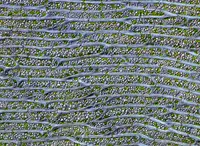
Its leaf cells often develop low, nipple-like bumps called mamillae, which help distinguish it from closely related Hypnum species under a microscope and are the source of the common term mamillate plait-moss.

Indicator of stable humidity

Populations are most frequent in long-undisturbed, moist woodland and ravine habitats, so its presence can indicate relatively stable, shaded microclimates with consistently high atmospheric humidity.

FAQs about mamillate plait-moss

This moss generally performs better outdoors where humidity and airflow are higher and more stable. Indoors it can survive in terrariums or high-humidity setups, but stable moisture and gentle air circulation are essential for long-term success and appearance.

Grow Healthy Plants with Botan Care

Keep your plants happy and healthy with plant identification, disease detection, and easy care guidance.

Botan plant care app — identify plants on mobile

Explore More Plants