Micheli's Least Pouncewort Care (Lejeunea cavifolia)

Micheli's Least Pouncewort

About Micheli's Least Pouncewort

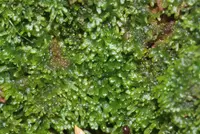
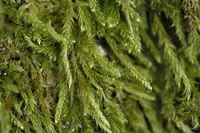
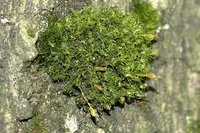
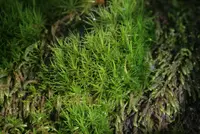
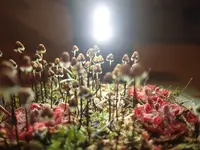
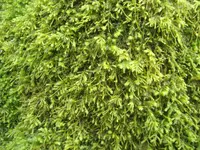
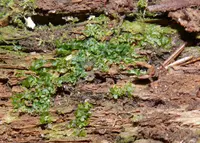
Micheli's least pouncewort, Lejeunea cavifolia, is a small leafy liverwort, a simple non-vascular plant related to mosses. It forms thin, flat mats that hug bark, rocks, or moist soil. Leaves are tiny, overlapping, and often glossy, creating a soft, intricate texture up close.

This species occurs mainly in temperate, humid forests across parts of Europe and North America, where shade and constant moisture are typical. It is sensitive to drying out and air pollution, which makes it more challenging to maintain indoors than many common houseplants.

Those who want to care for Micheli's Least Pouncewort should provide cool, shaded conditions, steady humidity, and a stable, moist but not waterlogged substrate such as fine bark or stone.

Main Plant Requirements

Care Difficulty

Hard Care

Light Preference

Shade

Water Requirements

Keep Soil Moist

Temperature Preference

Cool Climate

Hardiness Zone

5–9

Soil Texture

Peaty, Organic-rich, Loamy

Soil pH

Strongly acidic (4.5–5.5), Acidic (5.5–6.5)

Soil Drainage

Waterlogged tolerant

Fertilization

Minimal (feed rarely)

Get Personalized Care Plan

Scan your plant to receive care tips personalized for your specific plant

Available on iOS and Android

How to Care for the Micheli's Least Pouncewort

This small liverwort prefers shaded, humid sites with very gentle light levels.

  • Aim for 1–3 hours of soft morning sun or bright, dappled light, similar to a north or east woodland edge, rather than open exposure.
  • Provide consistent shade during harsh midday and afternoon sun, since Micheli's Least Pouncewort scorches and dries quickly in direct rays.
  • In summer, increase shade or move to deeper woodland cover; in low winter light, ensure at least 4–6 hours of bright, indirect light to maintain compact growth.

This species thrives in constantly moist, not waterlogged, conditions on bark, rocks, or soil.

  • Maintain evenly damp substrate; the surface should never fully dry, so water as soon as it feels just barely less wet but not dry to the touch.
  • Use fine, gentle watering or misting so Lejeunea cavifolia does not detach; ensure excess water can drain or run off instead of pooling.
  • In warmer months, increase frequency as drying speeds up; dull, pale, crisping fronds indicate underwatering, while mushy, dark patches suggest chronic overwatering and poor aeration.

This liverwort prefers cool to mild, consistently humid conditions without temperature extremes.

  • Optimal growth occurs around 50–68°F (10–20°C), typical of shaded stream banks, moist forests, and other cool microhabitats.
  • Protect from frost, since tissue damage can occur below about 32°F (0°C); brief light chills are tolerated if surfaces stay moist and thaw slowly.
  • Avoid hot, stagnant conditions above 77–82°F (25–28°C); in heat waves, increase shade and humidity and reduce direct sun exposure to limit desiccation stress.

This epiphytic liverwort needs very high, stable humidity to remain hydrated and avoid desiccation.

  • Aim for 80–95% humidity, mimicking its natural, constantly damp forest or streamside habitat.
  • Dry air causes crisping and curling of shoots, pale patches, and shrinking mats that fail to rehydrate fully.
  • Increase humidity with a covered terrarium, tight-lidded jar, or plastic dome, always allowing minimal air exchange.

This species prefers a thin, constantly moist, airy substrate rather than dense, traditional potting soil.

  • Use a fine-textured, organic-rich mix such as milled sphagnum moss with 20–30% fine bark or leaf mold for structure.
  • Ensure rapid drainage with a shallow, perforated tray over a drainage layer so water does not pool around the rhizoids (anchor structures).
  • Keep the medium moist but never waterlogged; allow only the surface film to fluctuate between wet and just damp.
  • Lejeunea cavifolia grows best on slightly acidic substrates around pH 5.0–6.0, so avoid lime-rich or strongly alkaline materials.

This small moss-like liverwort can be grown successfully in shallow containers or terrariums.

  • Select a broad, shallow container to maximize horizontal spread and keep the entire mat within a consistently humid boundary layer.
  • Use inert liners such as mesh or fine netting over drainage holes so the delicate mat is not washed out when watering.
  • Opt for glass or plastic containers with lids or covers, which markedly slow evaporation and stabilize surface moisture for the thin substrate.

This small liverwort needs very little feeding, especially when growing on trees, rocks, or logs.

Lejeunea cavifolia needs only light grooming to keep colonies healthy and well-shaped.

  • Trim away clearly dead, discolored, or slimy patches with fine scissors or tweezers to limit rot spread.
  • Thin out overcrowded mats by lifting or snipping small sections, improving air flow and light penetration.
  • Carry out grooming in spring or early summer when growth is active and recovery is fastest.
  • Avoid deep cutting into healthy tissue; remove only surface layers to maintain a natural, even cushion.

This species is usually grown on bark, rock, or wood, so management focuses on gentle transplanting rather than frequent repotting.

  • Plan transplanting in cool, moist weather or in spring to reduce desiccation stress.
  • Move patches only when growth slows or the substrate decays, rather than on a fixed schedule.
  • Lift thin mats with a blunt tool, keeping the rhizoids and attached substrate as intact as possible.
  • Press the colony onto a fresh, moist, shaded surface and keep humidity high until it reattaches.

This liverwort is commonly multiplied by dividing small mats and reattaching them to fresh substrate.

  • Take tiny sections of the leafy mat in spring or autumn when humidity is high and temperatures mild.
  • Place fragments on rough, moisture-retentive surfaces such as damp bark, rock, or porous wood.
  • Mist gently to keep the surface constantly moist but not waterlogged, avoiding direct, intense sun.
  • Allow time for rhizoids to anchor before disturbing; minimal handling improves survival.

In its native range this moss-like liverwort is cold tolerant and usually needs little specific winter care.

  • In outdoor culture, ensure the substrate stays moist but not frozen solid for long periods.
  • Avoid exposed, windy sites that can cause drying during freeze–thaw cycles.
  • For containers, move into a cold, frost-free but bright, humid area to reduce freezing damage.

Care Tips

Substrate layering

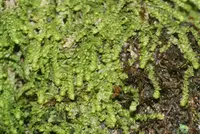
Attach the plant to rough, water-stable materials like bark, lava rock, or unglazed clay and then pack a thin layer of long-fiber sphagnum around the roots to keep moisture high without burying the shoots.

Gentle airflow control

Provide very gentle, indirect airflow toward but not directly on the colony to reduce fungal growth while preventing rapid drying of the thin fronds.

Shaded water changes

When grown in terraria or covered trays, change or top up water and misting schedules on cloudy days or in the evening to avoid sudden light plus water stress on freshly wetted tissues.

Fragment propagation

Use small, healthy fragments pressed onto fresh, damp substrate and covered with a clear lid or plastic dome to encourage rapid establishment without full submersion.

Algae and moss management

Periodically thin out overgrowing mosses and gently remove algae films with a soft brush so the tiny shoots are not shaded, which is important when caring for Micheli's Least Pouncewort in closed or semi-closed setups.

Common Pests and Diseases

Slugs and snails

This pest feeds on the delicate leafy shoots and can rapidly remove patches of the moss-like mat. Symptoms include irregular holes, shredded leaf lobes, and missing cushions in damp, ground-level colonies.

Solution

Hand-pick slugs and snails during damp evenings, use simple physical barriers such as copper tape around trays or stones, and avoid leaving decaying organic debris that shelters them. In outdoor or stone-garden culture, encourage natural predators and, if needed, place iron phosphate bait away from the thallus surface so pellets do not sit directly on the plant.

Desiccation injury

This disease-like stress occurs when the thin shoots dry out rapidly, leading to bleaching, brown crisp patches, and loss of adhesion to bark or rock. Symptoms include dull, pale cushions that fail to rehydrate fully after watering or rain.

Solution

Increase ambient humidity to around 70–90%, reduce direct air movement over the colony, and provide frequent but gentle misting without waterlogging. In indoor culture, keep the plant in a covered terrarium or shaded, humid greenhouse and avoid direct sun or warm, drying air from vents when focusing on Micheli's Least Pouncewort indoor care.

Algal overgrowth

This problem develops when green algae colonize the colony surface under very wet, low-airflow conditions. Symptoms include a slimy, bright-green film that smothers the shoots and weakens photosynthesis.

Solution

Improve air circulation and slightly reduce constant surface wetness by allowing brief drying of the substrate surface between mistings while keeping humidity high. Rinse the colony gently with clean, non-chlorinated water, shade from strong sun, and scrape or dab away thicker algal films from adjacent hard surfaces to limit recolonization.

Mite damage

This pest consists of tiny arthropods that feed on young tissue in overly dry or stagnant microclimates. Symptoms include fine speckling, dull patches, slowed growth, and a dusty or grainy appearance on close inspection.

Solution

Raise humidity, avoid hot dry air, and rinse the colony gently under a soft stream of water to dislodge mites. For persistent infestations in non-sensitive setups, apply a mild insecticidal soap or horticultural oil as a fine mist, then rinse after a short contact time to avoid coating the delicate leaves.

Interesting Facts

Specialist of humid bark

This liverwort typically grows as thin mats on the shaded, humid bark of deciduous trees such as beech and maple, and is much less frequent on rocks or soil compared with many related species.

Distinctive leaf lobules

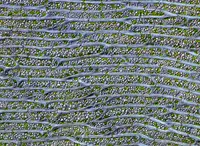
Its minute leaf lobules are helmet-shaped and often strongly inflated, forming small cavities that help distinguish it from similar Lejeunea species under a hand lens.

Fragment-based reproduction

In addition to spores, it spreads very effectively by tiny vegetative fragments that easily break off from mats, allowing rapid colonization of suitable moist bark microhabitats.

Botan icon

Did you know?

In Europe, this species is often used as an indicator of relatively clean, humid woodland air, because its delicate thalli are sensitive to strong air pollution and long-term drying of forest microclimates.

FAQs about Micheli's Least Pouncewort

This species spreads slowly across moist bark, stone, or soil through creeping stems and fragments. It can form small mats in stable, shaded conditions but is not aggressive and rarely overruns neighboring mosses or liverworts in gardens or terraria.

Grow Healthy Plants with Botan Care

Keep your plants happy and healthy with plant identification, disease detection, and easy care guidance.

Botan plant care app — identify plants on mobile

Explore More Plants