Forked Veilwort Care (Metzgeria furcata)

Also known as: מצגריה דו-קרנית
Forked Veilwort

About Forked Veilwort

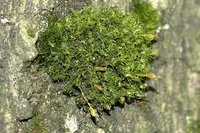
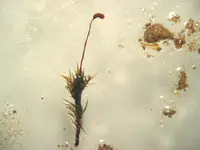
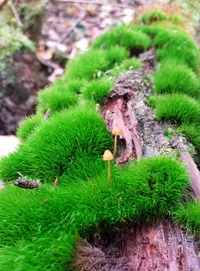
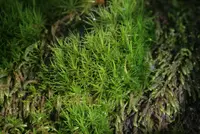
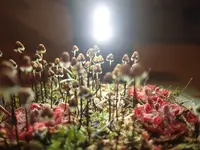
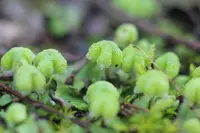
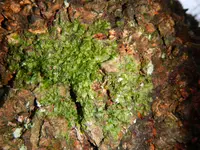
Forked veilwort (Metzgeria furcata) is a small, ribbon-like liverwort, a simple non-vascular plant related to mosses. It forms thin, forked green fronds that cling tightly to bark or rock.

This species is common in temperate, humid regions and is often found in shaded woodlands on tree trunks, logs, and stone. It thrives in consistently moist, clean air environments, which makes it sensitive to drought and pollution.

Because it is delicate and needs stable humidity, it is more suitable for terrariums or controlled indoor setups than for exposed pots. Understanding how to care for Forked Veilwort starts with providing shade, constant moisture, and a neutral, low-nutrient substrate.

Main Plant Requirements

Care Difficulty

Hard Care

Light Preference

Shade

Water Requirements

Keep Soil Moist

Temperature Preference

Cool Climate

Hardiness Zone

Unknown

Soil Texture

Peaty, Organic-rich, Loamy

Soil pH

Strongly acidic (4.5–5.5), Acidic (5.5–6.5)

Soil Drainage

Waterlogged tolerant

Fertilization

Minimal (feed rarely)

Get Personalized Care Plan

Scan your plant to receive care tips personalized for your specific plant

Available on iOS and Android

How to Care for the Forked Veilwort

This small liverwort prefers soft, filtered light that mimics a shaded woodland or stream bank.

  • Aim for bright shade or dappled light, such as under shrubs or trees, with no more than 1–2 hours of weak morning sun and no direct midday or afternoon sun.
  • Tolerates deep shade but grows denser and greener with indirect light; too little light causes thin, pale fronds and slow spread in Forked Veilwort.
  • Avoid strong sun on rocks, logs, or soil; intense exposure scorches tissues and dries them rapidly, especially during summer or in exposed sites.

This species needs consistently moist conditions and does not tolerate drying out for long periods.

  • Keep the substrate (rock, bark, or soil surface) evenly damp; rewater once the top feels just barely less wet, before it turns dry or crusty.
  • In cooler, shaded seasons, light but frequent misting often suffices, while in warm, breezy weather you may need to check moisture 1–2 times daily.
  • Signs of underwatering include curling, crisp, or dull fronds; overwatering and poor drainage cause soft, translucent patches and algae growth on the surface around Metzgeria furcata.

This liverwort favors cool, mild conditions similar to shaded forest or streamside habitats.

  • Optimal growth occurs around 50–70°F (10–21°C), with steady moisture and shade reducing stress from occasional fluctuations.
  • It tolerates short dips to about 28–32°F (-2–0°C) if kept moist and sheltered, but repeated hard frosts can damage or kill exposed mats.
  • Heat above 80°F (27°C) combined with low humidity causes rapid drying; provide extra shade, frequent misting, and airflow, and avoid hot rock or concrete surfaces that accumulate heat.

This liverwort needs very high, stable humidity to thrive in cultivation.

  • Aim for 80–100% humidity, using a closed terrarium, covered jar, or propagator to keep air constantly moist.
  • Dry air below about 70% quickly leads to crisping, pale fronds, and shrinking mats, especially at the edges.
  • Raise humidity by enclosing the planting, using a fine-mist spray on surfaces, and preventing direct air drafts from vents or fans around Forked Veilwort.

Metzgeria furcata grows best on consistently moist, fine-textured, organic-rich substrates rather than standard potting soil.

  • Use a base of milled sphagnum or fine peat mixed with damp, finely shredded leaf litter or decayed bark to mimic rotting wood or rock crevices.
  • Keep the substrate thin and compact but not waterlogged, so it stays evenly moist while still allowing some air to reach the rhizoids.
  • Aim for slightly acidic conditions around pH 5–6.5, avoiding alkaline substrates like lime-treated mixes or hard tap-water buildup.
  • Avoid coarse, sandy, or fast-draining mixes and any substrate that dries out fully or forms hard crusts on the surface.

This species can be grown in containers when used more like a terrarium or surface covering than a typical potted plant.

  • Choose shallow, wide containers so the plant can spread as a thin mat over stone, wood, or a fine substrate layer.
  • Prefer glass or plastic containers that slow evaporation, helping keep humidity and surface moisture consistently high.
  • Tilt or slightly elevate one side of the container so excess condensation can run off instead of pooling directly on the plant surface.

This small epiphytic liverwort is adapted to low-nutrient habitats and usually needs no added fertilizer when grown on natural substrates.

Metzgeria furcata needs only light pruning to keep mats tidy and healthy in cultivation.

  • Trim small patches at any time of year, focusing on dead, decaying, or discolored fronds.
  • Remove crowded or overgrown sections to maintain even coverage on bark, rock, or wood surfaces.
  • Use fine scissors or tweezers and cut just above the substrate to avoid tearing delicate tissue.

This species is usually grown attached to bark, rock, or wood, so care focuses on gentle transplanting rather than classic repotting.

  • Transplant when growth lifts away from its mount, dries quickly, or the substrate decays.
  • Choose mild, humid weather or a cool, shaded indoor period to reduce stress.
  • Lift small patches with attached substrate and press onto fresh, moist bark or stone.
  • Mist thoroughly, maintain high humidity, and avoid handling until new rhizoids anchor firmly.

Metzgeria furcata is commonly propagated vegetatively to expand colonies on suitable moist surfaces.

  • Divide small tufts or mats during mild, humid weather, keeping pieces attached to a thin layer of original substrate.
  • Press the divisions onto new moist bark, rock, or terrarium hardscape, ensuring close contact.
  • Maintain constant surface moisture and high humidity, but avoid waterlogging or strong runoff.
  • Spores can also be sown on sterile, shaded, moist media, though this is slower and less predictable.

In most temperate regions Forked Veilwort is cold hardy and usually requires minimal winter care outdoors.

  • In exposed sites, ensure the substrate stays lightly moist but not frozen solid for long periods.
  • For container displays, move mounts to a sheltered, frost-free but cool and bright area.
  • Avoid drying indoor air; maintain higher humidity with trays of water or gentle misting.

Care Tips

Use stable substrate

Attach the thallus to rough, inert surfaces like lava rock, cork, or hardwood using cotton thread or aquarium-safe glue so it anchors securely and spreads in a flat, even mat.

Control air movement

Keep air movement gentle rather than still or drafty by placing the plant away from vents and fans, which helps the thin thallus avoid desiccation while still reducing fungal problems.

Misting technique

If misting is used, spray very finely from above and allow excess water to run off rather than pool, which keeps tissues hydrated without encouraging rot or algae overgrowth.

Algae and moss management

Trim back competing mosses and gently brush off algae films with a soft, wet paintbrush every few weeks so light and moisture reach the liverwort surface evenly when growing Forked Veilwort.

Quarantine new material

Keep newly collected or purchased liverwort fragments in a separate container for 2–3 weeks to monitor for mites, springtails, or fungal issues before adding them to an established display.

Common Pests and Diseases

Fungus gnat larvae

This pest is attracted to constantly wet, organic substrates and the larvae feed on delicate rhizoids and young tissues of the thallus. Symptoms include thinning mats, pale or disintegrating patches, and visible tiny white larvae in saturated moss or soil around the colony.

Solution

Allow the substrate or surrounding moss to become just slightly less saturated between waterings, increase airflow, and avoid stagnant, anaerobic conditions. For persistent infestations, use a biological control such as Bacillus thuringiensis israelensis (Bti) in the water and physically rinse the affected colony under gentle, cool water to remove larvae before returning it to a cleaner, well‑drained mounting surface.

Algal overgrowth

This disease-like condition develops on Forked veilwort surfaces under constant water film, high nutrients, and low airflow. Symptoms include slippery, greenish film on the thallus, loss of the fine forked texture, and gradual smothering or dieback of underlying tissue.

Solution

Reduce dissolved nutrients by using low‑mineral, chlorine‑free water, improve air movement, and avoid continuous water film on the plant. Gently rinse the thalli, mechanically wipe away algae from hard surfaces, and thin overly dense patches so that light and air can reach remaining healthy growth, which supports long‑term Metzgeria furcata plant care in terrarium setups.

Filamentous mold

This disease occurs in very still, saturated microclimates, especially in closed terrariums or culture boxes. Symptoms include white, grey, or sometimes green fuzzy growth spreading over dead plant fragments and then onto healthy thalli, leading to soft, collapsing patches.

Solution

Increase ventilation, open closed containers more often, and remove excess dead organic material that feeds the mold. Carefully trim and discard heavily colonized portions, then rinse remaining thalli in cool, clean water and remount them in a location with slightly better air exchange and less persistent surface moisture.

Slugs and snails

These pests commonly graze on wild and outdoor cultivations of this liverwort, especially on shaded stone or bark surfaces. Symptoms include irregularly chewed margins, missing patches of thallus, and glistening slime trails on and around the colony.

Solution

Manually hand‑pick slugs and snails during damp evening or early morning periods and remove hiding places such as loose debris near the colony. Where grazing pressure is high, use physical barriers like copper tape on containers, or elevate and mount the liverwort on vertical or hanging substrates that are harder for these mollusks to reach.

Desiccation damage

This physiological disorder appears when the thalli dry too quickly from direct sun, strong airflow, or inadequate ambient humidity. Symptoms include crisp, brown, or translucent segments, loss of the fresh green color, and failure of tips to rehydrate fully after watering.

Solution

Maintain consistently high humidity around 70–90% with gentle, indirect airflow and avoid direct sun or heat sources that drive rapid evaporation. Use frequent fine misting or a covered but ventilated environment, and mount the plant on moisture‑retentive but not waterlogged substrates so that the thalli can remain evenly moist without long dry periods, which is central to growing Forked Veilwort successfully.

Interesting Facts

Forked ribbon body

This liverwort forms extremely thin, translucent, ribbon-like thalli that repeatedly fork, creating a delicate Y-shaped pattern visible even with a hand lens.

Surface oil bodies

The cells contain tiny oil bodies, a diagnostic liverwort feature, that can help distinguish it from superficially similar filamentous algae or mosses under magnification.

Moisture-responsive shape

Its narrow thalli curl when dry and flatten when moist, a reversible response that helps reduce water loss on exposed bark and rock surfaces.

Botan icon

Did you know?

This species is one of the most widespread leafy liverworts in the Northern Hemisphere, occurring across much of Europe, Asia, and North America from lowlands to montane habitats, which makes it a useful indicator of broad habitat continuity and historical woodland conditions.

FAQs about Forked Veilwort

This liverwort forms thin, creeping mats but is not usually aggressive. It expands slowly over moist bark, rocks, or soil. In gardens or terrariums, it is easy to keep in bounds with simple trimming or surface removal.

Grow Healthy Plants with Botan Care

Keep your plants happy and healthy with plant identification, disease detection, and easy care guidance.

Botan plant care app — identify plants on mobile

Explore More Plants