fissidens moss Care (Fissidens dubius)

Also known as: Rock Pocket-moss, Fissidens 'Toshue Hougouke'
fissidens moss

About fissidens moss

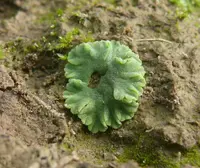
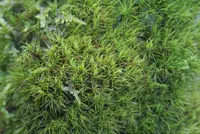
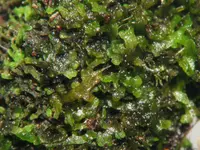
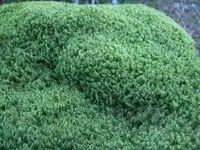
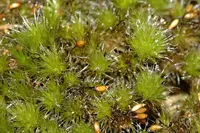
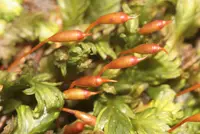
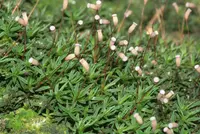
Fissidens dubius is a small, creeping moss that forms fine, feathery mats with neatly arranged, overlapping leaves that resemble tiny fern fronds. It grows low and dense, often creating soft, compact carpets.

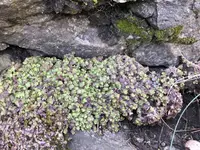
In nature, it is usually found on damp rocks, soil, and decaying wood in shaded forests and along streams in temperate regions. Its slow, steady growth and preference for stable moisture make it moderately easy to manage once established.

This moss prefers consistent humidity, gentle airflow, and low to medium light, which aligns with general guidance on how to care for fissidens moss.

Main Plant Requirements

Care Difficulty

Moderate Care

Light Preference

Partial Shade

Water Requirements

Keep Soil Moist

Temperature Preference

Cool Climate

Hardiness Zone

Unknown

Soil Texture

Loamy, Silty, Organic-rich

Soil pH

Acidic (5.5–6.5), Slightly acidic (6.5–7.0)

Soil Drainage

Moist but well-drained

Fertilization

Minimal (feed rarely)

Get Personalized Care Plan

Scan your plant to receive care tips personalized for your specific plant

Available on iOS and Android

How to Care for the fissidens moss

This moss prefers cool, shaded conditions that mimic a damp forest floor.

  • Provide bright shade or dappled light, equal to about 1–3 hours of weak morning sun and the rest of the day in full or partial shade.
  • Protect fissidens moss from direct midday and afternoon sun, which can dry fronds, bleach color, and cause patchy dieback, especially in summer.
  • In summer, increase shade or use filtered light; in winter, allow a little more indirect light but still avoid harsh, direct exposure.

This species depends on consistently moist conditions rather than periodic deep watering.

  • Keep the substrate evenly damp at all times; do not allow the top 0.5–1 cm to dry out completely before rewetting.
  • Use gentle, low-pressure watering or misting so the fine fronds are not physically disturbed or washed away, and avoid standing puddles.
  • Reduce watering slightly in cooler months while still preventing drying; excess waterlogged conditions show as slimy, darkening patches, while curling or crisping tips indicate underwatering.

This moss thrives in cool to mild, stable temperatures with high humidity.

  • Aim for 50–70°F (10–21°C) for steady growth, as higher heat increases evaporation and the risk of drying.
  • Tolerate short drops to about 32°F (0°C), but repeated or prolonged hard frost can damage delicate fronds and thin the colony.
  • Above 80°F (27°C), give extra shade and moisture; combine cooler airflow and frequent misting to offset heat stress and prevent desiccation.

This moss prefers constantly moist, high-humidity conditions to maintain dense, healthy growth.

  • Aim for 70–90% humidity, using a closed terrarium or covered container to slow evaporation.
  • In dry air it survives but fronds crisp, pale, and curl at the tips, indicating humidity stress.
  • Increase humidity with daily fine misting, grouped containers, or a shallow water tray beneath (without submerging the moss).

This species grows best on consistently moist, fine-textured, organic-rich substrates rather than conventional potting soil.

  • Use a thin layer of milled sphagnum, fine leaf litter, or coco coir over rock, wood, or compacted sand for anchoring.
  • Keep the substrate moist but never waterlogged; allow slow drainage through a shallow, non-compacted base layer.
  • Target a slightly acidic pH around 5.5–6.5, avoiding limed or strongly alkaline mineral mixes.
  • Avoid coarse, fast-drying, sandy or bark-heavy mixes that break apart and prevent Fissidens dubius from forming a stable mat.

This species is well suited to shallow containers and terrariums where constant moisture and humidity can be controlled.

  • Choose wide, shallow dishes so the moss spreads horizontally and water films can form evenly across the surface.
  • Use containers that retain some moisture, such as glass or glazed ceramic, to keep the microclimate stable.
  • Ensure only a very thin water layer sits below the substrate so capillary action keeps it damp without flooding the moss.

This moss needs very light feeding, mainly in nutrient-poor setups or high-tech aquaria.

  • Use a weak, balanced NPK liquid fertilizer at 1/4 strength, avoiding products with high copper levels that may harm moss.
  • Feed fissidens moss at most every 3–4 weeks during active growth, monitoring for algae outbreaks.
  • Stop or greatly reduce fertilization in winter or when growth slows noticeably.
  • Favor stable water parameters and good circulation over heavy nutrient dosing for long-term health.

Pruning Fissidens dubius is mainly cosmetic and used to maintain compact, tidy growth.

  • Trim during active growth in spring or early summer so the moss recovers quickly.
  • Use fine scissors or aquascaping shears to clip back overlong, shaggy fronds.
  • Remove dead, discolored, or detached sections to reduce decay and algae buildup.
  • Shaping light mats encourages denser cushions and better coverage on rocks or wood.

Fissidens dubius is usually attached to hardscape rather than potted, so focus on gentle transplanting instead of traditional repotting.

  • Transplant when clumps detach, thin out, or no longer anchor well to rock, wood, or mesh.
  • Best timing is during mild, stable conditions in spring or early fall to reduce stress.
  • Carefully lift small pads with attached substrate, keeping rhizoids and surrounding material intact.
  • Reattach using fine thread, fishing line, or mesh, then keep moisture and light stable until re-established.

Fissidens dubius is commonly multiplied by division and reattachment rather than by spores in home culture.

  • Divide healthy mats into small sections using fine scissors or by gently tearing natural seams.
  • Carry out division in spring or during stable indoor growth for faster establishment.
  • Press each fragment onto rock, wood, or mesh and secure with thread or netting.
  • Maintain high humidity, gentle water flow, and moderate light to encourage new frond development.

This moss is generally cold tolerant in temperate climates and needs little dedicated winter care outdoors.

  • In very cold regions, submerged or semi-submerged growth is usually safer than fully exposed patches.
  • For container setups, move tanks or trays away from freezing drafts and rapid temperature swings.
  • Maintain stable moisture levels, avoiding both desiccation and ice-locked, stagnant water around the moss.

Care Tips

Anchor To Substrate

Press small tufts firmly onto rock, wood, or mesh and secure them with fine fishing line or cotton thread for 2–4 weeks so the rhizoids can attach and form a stable, even mat.

Use Gentle Flow

Place the moss where it receives slow, indirect water movement rather than direct currents, which helps keep fronds clean and oxygenated without tearing or lifting the mats.

Pre‑Rinse New Hardscape

Thoroughly scrub and rinse rocks or driftwood before attaching moss to remove dust, tannins, or residues that can cloud water and smother young fronds.

Fragment For Faster Spread

Break healthy clumps into many small pieces and space them a few millimeters apart on the surface to encourage quicker lateral coverage when growing fissidens moss.

Control Detritus Build‑Up

Regularly remove settled debris with a soft brush or turkey baster around the moss so fine particles do not accumulate between fronds and cause browning or decay at the base.

Common Pests and Diseases

Algae overgrowth

This disease shows as a slimy green film covering moss cushions and nearby hardscape, often where light and nutrients are high and water movement is low. Symptoms include slowed moss growth, smothered fronds, and a dull, darkened appearance.

Solution

Reduce light intensity or duration to 6–8 hours, increase water movement, and cut back on dissolved nutrients from fish food or fertilizers. Gently brush or siphon off algae during water changes and, if needed, use spot treatments with diluted liquid carbon or hydrogen peroxide applied carefully around, not directly on, the moss patches.

Cyanobacteria (blue-green slime)

This disease appears as a dark blue-green, sometimes purplish, slimy sheet that peels away in sheets from substrate, wood, and moss. Symptoms include foul odor, rapid spread, and smothering of moss tips and new growth.

Solution

Manually remove as much slime as possible, increase water flow, and correct excess nutrients by reducing feeding and improving filtration. A short blackout period of 3–4 days combined with regular water changes and substrate cleaning helps, and in stubborn cases an aquarium-safe cyanobacteria treatment can be used according to label directions while closely monitoring the moss.

Hydra

These insects are actually tiny freshwater animals that anchor to moss fronds and surfaces, with tentacled heads that can sting small fry and microfauna. Symptoms include visible star-shaped or tree-shaped polyps extending from the moss, especially in well-fed aquariums.

Solution

Reduce heavy feeding that boosts their food supply and manually siphon or scrape off visible colonies from moss and hardscape. Short-term measures such as targeted applications of aquarium-safe dewormer products (for example praziquantel-based, dosed per label) can control hydra populations, but water quality and stocking adjustments are needed to prevent return.

Detritus worms

These insects are actually small segmented worms that live in the substrate and can accumulate in dense mats within moss clumps when organic waste is high. Symptoms include visible white or tan thread-like worms emerging from moss during low oxygen conditions or after disturbance.

Solution

Improve aquarium cleanliness by vacuuming substrate, rinsing filter media in tank water, and reducing overfeeding so less debris collects in the moss. Gently shake or swish moss portions in a container of aquarium water to dislodge worms, and increase water circulation and oxygenation to keep populations at a low, harmless level.

Saprophytic fungi

This disease commonly colonizes decaying organic material around newly attached moss, appearing as white, translucent, or cottony films on wood, rocks, or dead moss tissue. Symptoms include localized cloudiness or fuzzy patches that may temporarily cover or shade the moss.

Solution

Improve water movement around the affected area and physically remove fungal mats by gently brushing or siphoning them off during water changes. Trim out obviously decaying moss or plant material, avoid overfeeding fish, and allow time for a stable microbial balance to develop, which typically outcompetes these fungi without harming the moss and supports growing fissidens moss.

Interesting Facts

Distinct double leaf rows

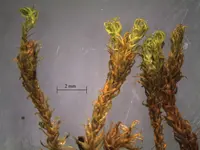
This moss has small, overlapping leaves arranged in two precise rows on each side of the stem, giving shoots a flattened, fern-like appearance that helps distinguish it from closely related Fissidens species.

Preference for calcareous rocks

It commonly colonizes damp, shaded limestone or other calcareous rocks and mortar in Europe, reflecting an adaptation to substrates with relatively high calcium content and mildly alkaline conditions.

Indicator of mild disturbance

In some regions it is frequent on old walls, shaded masonry, and human-made stone structures, so its presence can indicate stable yet slightly disturbed, humid microhabitats within towns and rural landscapes.

FAQs about fissidens moss

Growth is slow and steady. In stable, moist conditions it often adds only a few millimeters of new coverage each month. Establishment after attachment can take several months, so patience is essential when growing fissidens moss.

Grow Healthy Plants with Botan Care

Keep your plants happy and healthy with plant identification, disease detection, and easy care guidance.

Botan plant care app — identify plants on mobile

Explore More Plants