contorted pogonatum moss Care (Pogonatum contortum)

contorted pogonatum moss

About contorted pogonatum moss

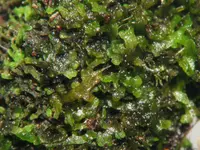
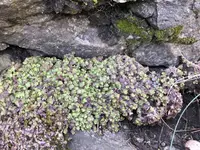
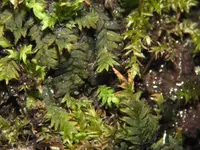
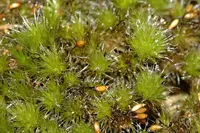
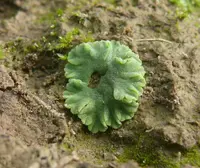
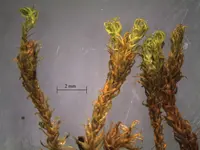
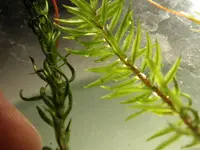
Contorted pogonatum moss (Pogonatum contortum) is a small, upright moss that forms dense, bright green cushions or tufts. Its leaves twist slightly when dry, giving a subtly contorted look.

This species naturally grows on moist, acidic soils, often on banks, rock faces, or disturbed forest ground in temperate to subtropical regions. It tends to be more finicky than common cushion mosses because it dislikes drying out and needs stable humidity.

For those who want to care for contorted pogonatum moss, it generally prefers cool conditions, soft or low-mineral water, bright but indirect light, and consistently damp, well-drained, low-nutrient substrates.

Main Plant Requirements

Care Difficulty

Hard Care

Light Preference

Partial Shade

Water Requirements

Keep Soil Moist

Temperature Preference

Cool Climate

Hardiness Zone

Unknown

Soil Texture

Peaty, Organic-rich, Loamy

Soil pH

Strongly acidic (4.5–5.5), Acidic (5.5–6.5)

Soil Drainage

Moist but well-drained

Fertilization

Minimal (feed rarely)

Get Personalized Care Plan

Scan your plant to receive care tips personalized for your specific plant

Available on iOS and Android

How to Care for the contorted pogonatum moss

This moss prefers cool, shaded conditions with only brief gentle sun exposure.

  • Provide bright, indirect light or dappled shade for 4–6 hours/day; short periods of early morning sun are acceptable, but avoid direct midday and afternoon sun.
  • Site contorted pogonatum moss under light tree cover, beside rocks, or on the north or east side of structures to filter harsh rays and mimic woodland conditions.
  • Watch color and growth: pale, crispy tips indicate excess sun, while thin, elongated shoots suggest too little light; adjust exposure seasonally as summer sun intensifies.

Pogonatum contortum thrives in consistently moist, not stagnant, conditions.

  • Keep the substrate evenly damp, allowing only the surface 1–2 mm to begin drying before rewetting; avoid letting the moss dry out completely.
  • Use soft, chlorine-free water if possible and apply gently from the side or below to avoid dislodging cushions, especially on loose or sandy substrates.
  • Reduce watering frequency slightly in cooler seasons while still preventing full dryness; watch for dull, shriveled leaves as a sign of underwatering and a sour smell or slimy patches as signs of overwatering.

This species favors cool to mild temperatures similar to a shaded forest floor.

  • Aim for an active growth range of 55–70°F (13–21°C), where metabolism and cell division stay stable without heat stress.
  • Short exposures down to about 25–30°F (-4 to -1°C) may be tolerated if the moss is well established, but repeated hard freezes or unprotected frost can damage tissues.
  • In hot weather above 80°F (27°C), increase shade and humidity and avoid hot, sunlit rock or soil surfaces that can overheat and desiccate the moss.

This moss prefers consistently moist, high-humidity conditions to maintain dense, healthy cushions.

  • Aim for 70–90% humidity using a closed or semi-closed terrarium or covered tray setup.
  • Tolerates only brief dips into drier air; prolonged levels below 50% cause browning tips and curling, desiccated leaves.
  • Increase humidity by misting lightly, adding a shallow water reservoir with pebbles, or grouping contorted pogonatum moss with other moisture-loving plants.

This species thrives in a moist, airy, acidic, organic-rich substrate that mimics forest or streambank conditions.

  • Use a mix of 60–70% milled sphagnum or peat moss with 30–40% fine sand or perlite for structure and drainage.
  • Keep the substrate evenly moist but never waterlogged; excess standing water reduces oxygen and leads to rhizoid rot.
  • Aim for slightly acidic conditions around pH 5.0–6.0, avoiding alkaline additives like lime or hard tap water where possible.
  • For Pogonatum contortum, spread the substrate in a shallow layer so water drains through quickly yet the surface stays evenly damp.

This moss is suitable for shallow containers and terrariums that allow close control of moisture and humidity.

  • Select wide, shallow dishes or trays so the colony can spread laterally while excess water drains away quickly.
  • Choose glass or glazed ceramic containers to slow evaporation, then adjust ventilation openings to prevent stagnant, stale air.
  • Raise the planting surface above the drainage holes with a thin gravel layer so brief overwatering does not flood the moss base.

This moss grows well in low-nutrient conditions, so fertilizing contorted pogonatum moss should stay very light and infrequent.

  • Use a highly diluted balanced liquid fertilizer (around 1/8–1/4 strength) with a low NPK ratio suited to mosses or acid-loving plants.
  • Feed only during active growth in spring–summer, no more than every 4–6 weeks.
  • Avoid composts or rich slow-release products that can encourage algae and competing plants.
  • Rinse with plain water occasionally to prevent salt buildup on the delicate rhizoids and substrate.

Pogonatum contortum needs only minimal pruning focused on cleanliness and maintaining an even cushion.

  • Trim browned, dead, or decaying tufts at any time to reduce mold and improve airflow.
  • In late winter or early spring, lightly shear uneven patches to maintain a low, uniform mound.
  • Use fine scissors or small snips and avoid pulling clumps, which can disturb the rhizoids.
  • Remove intrusive weeds or coarse moss species by hand to limit competition and shading.

This moss is usually grown on shallow trays or terrarium substrates, so transplanting is rare and done mainly to refresh the growing surface.

  • Move clumps when growth becomes thin, patchy, or overrun by algae rather than waiting for roots to circle a container.
  • Transplant in mild, moist conditions during spring or early autumn for faster re-establishment.
  • Aim for long intervals between moves, often several years, as frequent disturbance slows growth.
  • Lift mats gently, keep the substrate attached, and place onto fresh, acidic, well-drained medium, then mist thoroughly to limit stress.

Pogonatum contortum is most often propagated vegetatively, since spore culture is slower and needs stricter conditions.

  • Divide healthy clumps in spring or early autumn, keeping each piece with attached substrate for stability.
  • Press divisions firmly onto a moist, acidic medium and mist often to maintain surface humidity without waterlogging.
  • Spore propagation requires sterile, fine-grained acidic media, bright indirect light, and consistently high humidity.
  • Keep new cultures protected from direct sun and drying drafts until growth thickens and forms stable cushions.

This moss is relatively cold hardy in the ground but container-grown plants and terrariums benefit from moderate winter protection.

  • Tolerates light frosts, but prolonged freezing of saturated substrates can damage rhizoids.
  • In cold regions, move trays or pots to a sheltered, frost-free but cool location (around 40–55°F).
  • Reduce watering in winter so the substrate stays slightly moist, not waterlogged or bone dry.
  • Outdoors, place containers against a wall and group them together to buffer temperature swings.

Care Tips

Use rainwater trays

Set the pot or culture dish inside a shallow tray of rainwater or distilled water and let capillary action keep the substrate evenly moist, but keep the moss container slightly raised so the rhizoids are damp rather than submerged.

Provide side lighting

Position a low-wattage LED strip or desk light at the side of the container to encourage dense, upright growth and reduce the leaning and stretching that occurs when light only comes from above.

Control air movement

Place the culture where air movement is gentle and indirect, using a fan on a low, distant setting if needed, since slight airflow discourages mold and algae films without drying the cushions.

Periodic substrate flushing

Once every 4–6 weeks, pour a generous amount of soft water through the substrate to wash out built-up minerals and dissolved salts that can suppress new protonema and capsule formation.

Transparent cover management

If using a terrarium lid or plastic dome, open or tilt it for 30–60 minutes daily to exchange air and limit condensation on the glass, which supports healthier photosynthesis when caring for contorted pogonatum moss.

Common Pests and Diseases

Slime molds

This disease appears as slimy, often gray, white, or brightly colored patches that creep over the moss cushions in overly wet, stagnant conditions. Symptoms include rapid smothering of the green shoots and a greasy or gelatinous surface texture.

Solution

Reduce standing water and improve airflow, then gently rinse the moss surface with clean, non‑chlorinated water to remove the slime mass. Remove heavily affected clumps and any decaying organic debris, and keep the substrate just moist, not waterlogged, to prevent recurrence.

Fungal blight

This disease causes localized brown or black patches where moss stems collapse and tips die back, often starting in dense, shaded, constantly wet sections. Symptoms include a patchy, uneven cushion with dead, matted areas that do not rehydrate well.

Solution

Trim out affected mats with clean scissors, removing some surrounding healthy material to limit spread, and discard away from the growing area. Improve light and air movement, avoid overhead misting late in the day, and allow the surface to dry slightly between waterings; for severe outbreaks in valuable collections, a low‑dose moss‑safe fungicide drench may be used according to label directions.

Springtails

These insects are tiny, white to gray jumping arthropods that thrive in constantly wet moss substrates rich in decaying material. This pest is usually harmless but can indicate chronic overwatering and, at high densities, can disturb young gametophytes and fine rhizoids.

Solution

Allow the substrate surface to dry slightly between waterings and reduce excess organic debris to lower their food source. If populations remain high, gently flood and drain the container with clean water to flush them out, or introduce a thin top dressing of inert sand or fine grit to make the surface less suitable for large colonies.

Moss mites

These pests are minute arachnids that feed on moss tissues, leading to thinning cushions, faded green color, and a rough, grazed texture on close inspection. This pest often thrives in warm, stagnant terrarium corners with accumulated dust and organic particles.

Solution

Isolate affected containers, then rinse the moss gently under a fine stream of water to dislodge mites and debris. Improve ventilation, slightly lower temperature if possible, and, when infestations persist, apply a mild, moss‑safe acaricide or insecticidal soap as a fine spray, testing on a small area first and avoiding direct application in strong light.

Algae overgrowth

This problem shows as smooth, often bright green, slippery films or crusts that coat the substrate and sometimes the moss surface under high light and constant moisture. Symptoms include reduced vigor and slower recovery of shoots, as the algae compete for light and can seal the surface, trapping excess moisture.

Solution

Gently brush or rinse off the algal film and remove any strongly coated substrate from the surface. Slightly reduce light intensity or duration, increase air movement, and water less frequently while keeping the moss evenly moist; a thin layer of clean, inert sand or fine gravel on exposed substrate can also limit new algal growth and supports contorted pogonatum moss indoor care.

Interesting Facts

Twisted leaf adaptation

The narrow leaves twist strongly when dry, then straighten again when rehydrated, helping the moss reduce water loss on exposed soil and rock surfaces.

Tiny soil stabilizer

This species often forms low, dense tufts or patches that trap fine particles, helping stabilize bare ground and creating microhabitats for other small organisms.

Specialized sporophyte groove

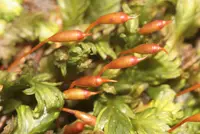
Its capsules usually have a distinctive curved set of teeth around the opening and a longitudinal groove, features that help control gradual spore release in changing humidity.

FAQs about contorted pogonatum moss

This species performs best outdoors in cool, humid, shaded conditions that mimic forest floors. Indoors it can survive in closed terrariums or high-humidity setups, but stable moisture and airflow are harder to maintain in typical home environments.

Grow Healthy Plants with Botan Care

Keep your plants happy and healthy with plant identification, disease detection, and easy care guidance.

Botan plant care app — identify plants on mobile

Explore More Plants