Ulota bruchii Care

Ulota bruchii

About Ulota bruchii

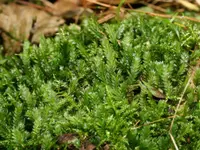
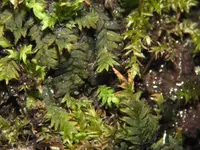
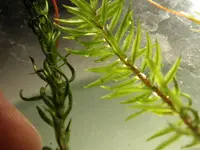
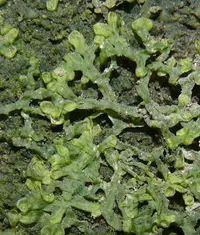
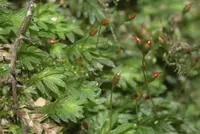
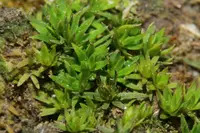
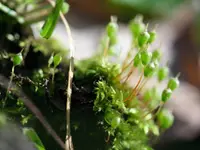
Ulota bruchii is a small cushion-forming moss that grows in dense tufts on tree bark, rocks, and sometimes old walls. It has tight, upright shoots with narrow leaves that curve when dry and spread when moist, giving it a fine-textured, bristly look.

This species is native to temperate regions, often found in humid forests and sheltered, cool sites with good air moisture. It is generally resilient once established, but sensitive to long dry spells and strong direct sun.

For those who want to care for Ulota bruchii, it usually prefers bright, indirect light, consistent surface moisture, and a stable, well-ventilated environment rather than heavy, waterlogged substrates.

Main Plant Requirements

Care Difficulty

Moderate Care

Light Preference

Partial Shade

Water Requirements

Keep Soil Moist

Temperature Preference

Cool Climate

Hardiness Zone

Unknown

Soil Texture

Rocky, Organic-rich

Soil pH

Acidic (5.5–6.5)

Soil Drainage

Moist but well-drained

Fertilization

Minimal (feed rarely)

Get Personalized Care Plan

Scan your plant to receive care tips personalized for your specific plant

Available on iOS and Android

How to Care for the Ulota bruchii

This moss prefers cool, bright conditions that mimic light in open, moist woodlands.

  • Provide bright, indirect light or high dappled shade, such as on the shaded side of rocks or tree trunks, with roughly 2–4 hours of soft morning sun if possible.
  • Protect Ulota bruchii from intense midday and afternoon sun, which can overheat and desiccate cushions, especially during dry or windy weather.
  • In summer, increased shade or filtered light prevents drying; in winter, allow more open light as the sun is weaker, provided the substrate stays moist.

This moss depends on frequent surface moisture but does not tolerate stagnant water.

  • Keep the substrate consistently moist to the touch, allowing only the top 1–2 mm to dry briefly between wettings, especially during active growth.
  • Use soft, low-mineral water where possible, applying gentle misting or light pouring so the moss mat does not wash away or become buried by soil splashes.
  • Reduce watering frequency in cool, short-day seasons but never let the entire mat become crisp-dry; pale, brittle shoots indicate underwatering, while persistent slimy patches suggest excess moisture and poor aeration.

This species is relatively cold tolerant but grows best in cool, stable conditions.

  • Aim for an optimal range of 45–70°F (7–21°C), where growth remains steady and cushions stay dense and resilient.
  • Ulota bruchii tolerates brief drops near 20°F (-6°C) when attached to natural substrates, but repeated freeze–thaw with drying winds can cause dieback.
  • Prolonged heat above 80°F (27°C), especially with low humidity, stresses the moss; provide extra shade and moisture during heat waves, and avoid hot, reflective surfaces.

This moss prefers consistently moist air and reacts quickly to drying conditions.

  • Aim for 60–80% humidity, mimicking its natural damp rock and bark habitats.
  • Tolerates brief dips to 40–50%, but fronds curl, pale, and feel crisp when air stays too dry.
  • Increase humidity by placing it near a water feature, using a fine-mist sprayer, or setting its substrate above, not in, a shallow water tray.

Ulota bruchii grows on surfaces rather than in typical potting soil, so focus on a thin, well-drained, moist substrate layer.

  • Use a base of acidic, organic-rich material such as fine bark, chopped sphagnum moss, and leaf litter to mimic decaying wood or rock crevices.
  • Keep structure loose and airy so water drains freely yet the surface film stays evenly damp without waterlogging.
  • Aim for slightly acidic conditions, around pH 5.0–6.0, avoiding lime-heavy materials that raise pH.
  • Avoid compacted, clayey, or peat-only layers that stay saturated and anaerobic, which encourages rot and suppresses new moss shoots.

This species can be grown in shallow containers or trays when humidity and moisture are carefully managed.

  • Choose a broad, shallow container so the moss can spread as a mat while excess water evaporates efficiently.
  • Line the base with a thin layer of inert grit to prevent stagnant water from pooling under the substrate film.
  • Use heavier ceramic or stone containers outdoors to keep the moist surface stable against wind and accidental knocks.

This moss is adapted to low-nutrient habitats and Ulota bruchii usually grows best with minimal or no added fertilizer.

Pruning needs are minimal and mainly cosmetic for Ulota bruchii.

  • Carry out any tidying in spring or early summer, when growth is most active.
  • Gently remove dead, dislodged, or decaying cushions by hand or with fine tweezers.
  • Thin overcrowded patches only if they shade more desirable species on the same substrate.
  • Avoid cutting into healthy moss pads; damage can dry out and reduce overall colony vigor.

Ulota bruchii is usually grown on bark, stone, or outdoor substrates, so care focuses on gentle transplanting rather than routine repotting.

  • Transplant only if patches detach, substrate deteriorates, or growth declines despite suitable moisture and light.
  • Choose cool, moist weather in spring or fall to reduce transplant stress and desiccation risk.
  • Lift small cushions with attached substrate, then press them onto the new surface so rhizoids contact it closely.
  • Mist thoroughly after moving and keep humidity high, limiting direct sun until new anchoring is visible.

Propagation of Ulota bruchii is possible but slow and mainly of interest for specialized moss culture.

  • Use small cushions or fragments pressed firmly onto rough, moist bark, rock, or clay tiles.
  • Carry out propagation in cool, humid seasons such as spring or fall to limit drying.
  • Provide bright, indirect light, constant surface moisture, and good air movement to encourage new shoots.
  • Spore culture is advanced; use sterile, moist substrate and very fine misting to avoid washing spores away.

This moss is naturally cold hardy in many temperate climates and usually needs no special winter care.

  • Outdoor colonies on trees or rocks typically tolerate freezing and thawing without protection.
  • Container pieces can overwinter outside in shaded, wind-sheltered spots to reduce desiccation.
  • If grown indoors, keep winter temperatures cool, humidity moderate to high, and reduce direct sun to limit drying.

Care Tips

Substrate anchoring

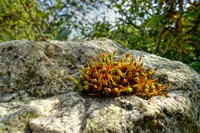
Press the moss gently but firmly onto rough, absorbent surfaces like unglazed clay, bark, or porous rock so its rhizoids can grip quickly and form a stable, even cushion.

Microhabitat shaping

Create small pockets, crevices, or ridges in the planting surface to trap moisture and fine particles, which helps colonies expand and form thicker, more resilient tufts.

Airflow management

Position colonies where there is light, steady air movement but no direct fan blast, as moderate airflow keeps the moss cleaner and reduces fungal issues without excessive drying.

Clean water handling

Use a fine-mist sprayer with rainwater, distilled, or reverse-osmosis water and rinse occasionally from different angles to wash off dust and spores that can smother the tiny leaf tips.

Seasonal colony checks

Inspect cushions every few months and gently thin out dead, brown patches with tweezers, which improves air and light penetration and supports long-term stability when growing Ulota bruchii.

Common Pests and Diseases

Fungal leaf blight

This disease causes localized brown to black necrotic patches on moss cushions, often starting where water lingers the longest. Symptoms include thinning, dull color, and brittle leaf tips in affected tufts.

Solution

Reduce constant water splash and prolonged surface wetness, improve air movement around the colony, and gently remove and discard heavily damaged patches. If infection spreads, a targeted moss-safe fungicide used at low label rates can help limit further blight while keeping the substrate just moist, not waterlogged.

Algal overgrowth

This condition appears as a slippery, bright green film that coats the moss surface and substrate in persistently wet, nutrient-enriched sites. Symptoms include smothered, yellowing cushions and reduced new shoot formation.

Solution

Lower nutrient input by avoiding fertilizer runoff, increase light and air movement, and interrupt standing water on the surface. Lightly brushing or rinsing away algal film and allowing short drying intervals between irrigations supports recovering shoots and is a core part of effective Ulota bruchii care instructions.

Slugs and snails

These animals graze on tender moss shoots and tips, leaving irregular patches of missing tissue and mucus trails on or near the cushions. Symptoms include uneven clumps with chewed, ragged edges and slowed regrowth in humid, shaded areas.

Solution

Hand-pick slugs and snails at dusk or after rain, and use physical barriers such as copper tape on containers or rough mineral mulches around colonies. In outdoor settings, targeted iron phosphate bait placed away from sensitive wildlife helps reduce grazing pressure without contaminating the moss surface.

Springtail overpopulation

These insects usually act as decomposers but in dense, constantly wet moss cultures they can become overly abundant and disturb young shoots. Symptoms include tiny jumping white or gray insects on the surface and fine mechanical damage to delicate new growth.

Solution

Allow the surface to dry slightly between waterings, improve drainage, and rinse the colony gently to flush out excess insects. In containers or terraria, reducing excess decaying organic matter and improving ventilation usually restores balance without the need for insecticides.

Interesting Facts

Specialist rock dweller

This moss often grows on siliceous or acidic rocks such as granite and sandstone, especially in cool, humid regions, rather than on soil or tree bark like many related Ulota species.

Twisted dry leaves

The narrow leaves curl and twist strongly when dry, then spread out again when moist, a hygroscopic response that helps protect the delicate cells from desiccation and allows rapid rehydration.

Diagnostic capsule hair

Its small, cylindrical spore capsules bear a distinct tuft of hair at the tip, a feature used by bryologists to distinguish it from closely related Ulota species during microscopic identification.

FAQs about Ulota bruchii

This moss grows slowly, usually forming small tufts that expand only a few millimeters per year. Growth speed depends on constant moisture, clean air, and cool to mild temperatures, so it remains compact even in good conditions.

Grow Healthy Plants with Botan Care

Keep your plants happy and healthy with plant identification, disease detection, and easy care guidance.

Botan plant care app — identify plants on mobile

Explore More Plants