Surface Preparation
Before installation, brush dust and loose grit from rock, brick, or compacted soil so the moss rhizoids can attach firmly to a cleaner, slightly rough surface.

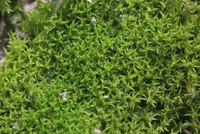
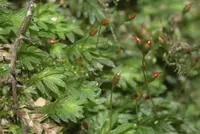
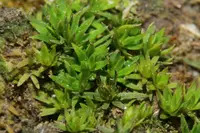
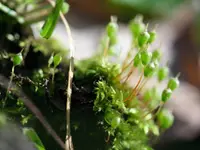
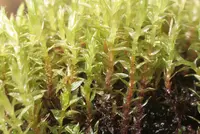
Hornschuch's pseudocrossidium moss, Pseudocrossidium hornschuchianum, is a small acrocarpous moss that forms tight, cushion-like mats rather than loose, trailing carpets. Its shoots are short and upright, often giving rocky or sandy surfaces a fine, velvety look.
This species occurs widely in dry, open habitats, including disturbed ground, thin soils over rock, pavements, and compacted substrates in temperate and some warm regions. It tolerates drought well by drying out and then rehydrating quickly, which makes it relatively resilient but also prone to browning between wet periods.
Because it prefers bright light, lean mineral substrates, and good airflow, it suits outdoor rock gardens or naturalistic plantings better than closed, constantly wet terrariums. Understanding how to care for Hornschuch's pseudocrossidium moss starts with respecting its need for periodic drying and high light compared to many shade-loving mosses.

Care Difficulty
Moderate Care

Light Preference
Full Sun

Water Requirements
Moderate Water

Temperature Preference
Cold Hardy

Hardiness Zone
Unknown

Soil Texture
Sandy, Loamy, Rocky

Soil pH
Slightly acidic (6.5–7.0)

Soil Drainage
Well-drained

Fertilization
Minimal (feed rarely)
Scan your plant to receive care tips personalized for your specific plant
Available on iOS and Android
This small terrestrial moss prefers bright, open conditions without extreme heat exposure.
This moss relies on frequent surface moisture but does not tolerate stagnant, waterlogged conditions.
This species adapts to a wide temperature range but grows best in mild conditions without prolonged extremes.
This moss prefers moderate humidity but tolerates drier air better than many indoor mosses.
This species thrives on thin, well-drained, mineral soils rather than deep, rich substrates.
This moss is suitable for shallow containers, trays, or rock dishes when moisture and drainage are controlled carefully.
This moss is adapted to low-nutrient habitats and usually needs only minimal feeding in culture.
Pruning Pseudocrossidium hornschuchianum focuses on light grooming rather than structural shaping.
This moss is usually transplanted as small patches rather than conventionally repotted.
Propagation relies on dividing existing cushions rather than sexual reproduction from spores in typical cultivation.
Pseudocrossidium hornschuchianum is quite cold tolerant and generally needs little winter care outdoors in temperate climates.

Plant Health Check
Not sure what's wrong with your plant? Check your plant's health inside the app.
This moss often occurs on compacted, nutrient-poor, sun-exposed soils and paths, where few other mosses tolerate the combination of high light, heat, and periodic severe drying.
It typically forms low, dense tufts or cushions, a growth form that helps conserve moisture around the shoots in its frequently dry habitats.
When dry, its small leaves twist and curl tightly around the stem, then spread out again when rehydrated, a reversible movement that reduces surface area and water loss during drought.
This species spreads slowly to moderately by short creeping stems and spores. It usually forms small patches rather than large carpets. In gardens or containers it is easy to confine and rarely becomes a management problem.
Keep your plants happy and healthy with plant identification, disease detection, and easy care guidance.