Fox-tail Feather-moss Care (Thamnobryum alopecurum)

Fox-tail Feather-moss

About Fox-tail Feather-moss

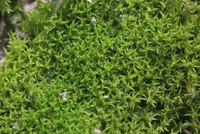
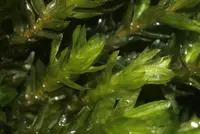
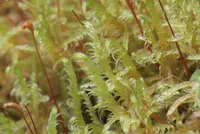
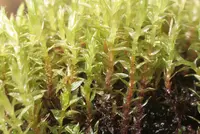
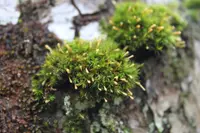
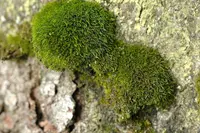
Fox-tail feather-moss (Thamnobryum alopecurum) is a bryophyte, a non-vascular plant that spreads as soft, dense carpets of finely divided foliage. Its shoots resemble miniature fox tails, with upright, branching stems and overlapping leaves that give a feathery texture.

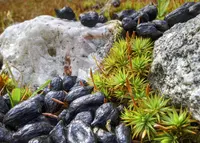
In nature, it grows on rocks, stream banks, and damp woodland in Europe and parts of western Asia, often in shaded, humid locations with clean, cool air and water. It is moderately easy to grow in cultivation if moisture and shade are stable, but it is sensitive to drying out and pollution.

Those factors matter if you want to know how to care for Fox-tail Feather-moss, especially in terrariums, shaded gardens, or naturalistic water features.

Main Plant Requirements

Care Difficulty

Moderate Care

Light Preference

Shade

Water Requirements

Keep Soil Moist

Temperature Preference

Cold Hardy

Hardiness Zone

5–9

Soil Texture

Loamy, Silty, Organic-rich

Soil pH

Acidic (5.5–6.5)

Soil Drainage

Waterlogged tolerant

Fertilization

Minimal (feed rarely)

Get Personalized Care Plan

Scan your plant to receive care tips personalized for your specific plant

Available on iOS and Android

How to Care for the Fox-tail Feather-moss

This moss prefers cool, consistently moist, low-light habitats along streams, rocks, and shaded banks.

  • Provide bright shade or dappled forest light, equal to about 1–3 hours of weak morning sun with the rest of the day in full shade or dense filtered light.
  • Avoid direct midday and afternoon sun, which can scorch Fox-tail Feather-moss within hours and cause rapid drying of the substrate.
  • In summer, shift or shield patches exposed by leaf drop; in winter, weak low-angle sun is usually safe if substrate moisture stays high.

This moss needs constantly moist conditions and does not tolerate drying out for long.

  • Aim for a consistently damp substrate, similar to a wrung-out sponge; the surface should never dry completely but should not have standing water for more than a few hours.
  • Use flowing or frequently refreshed water where possible, since Thamnobryum alopecurum grows naturally along streams, cascades, and seepage zones.
  • Signs of underwatering include crisp, pale fronds that fail to rehydrate after misting; signs of chronic overwatering are foul smell, slimy patches, and dark, rotting bases.

This species thrives in cool, humid climates typical of shaded stream valleys and ravines.

  • Ideal growth occurs around 45–65°F (7–18°C), especially when humidity stays above 60–70% and light is low to moderate.
  • It tolerates brief drops near 25–30°F (-4 to -1°C) if kept moist, but repeated hard freezes with exposed wind can damage or desiccate fronds.
  • Sustained heat above 80°F (27°C) combined with strong sun is stressful; provide deep shade and high humidity during hot spells to reduce thermal stress.

This moss needs high, stable humidity to stay dense and green.

  • Aim for 70–95% humidity; it declines quickly in air below about 60%.
  • Crisping tips, dull color, and shrinking cushions indicate humidity stress.
  • Use covered terrariums, pebble trays with water, or frequent fine misting to keep Fox-tail Feather-moss evenly moist.

This moss anchors best on consistently moist, humus-rich substrates rather than typical potting soil.

  • Use a mix of finely shredded bark, leaf mold, and a little peat or coco coir, pressed firmly to create a stable, spongy surface.
  • Keep drainage moderate: the base should stay damp but not submerged in standing water for more than a few hours.
  • Aim for slightly acidic conditions around pH 5.0–6.5, which support healthy rhizoids and discourage some algae.
  • Avoid compacted mineral soils, heavy clay, or mixes dominated by sand, which dry out rapidly and reduce anchorage for Thamnobryum alopecurum.

This species can adapt well to container culture, especially in shallow dishes or terrariums.

  • Choose a wide, shallow container to match the surface-spreading growth and keep the moss evenly moist without deep water pockets.
  • Select glazed ceramic or plastic rather than unglazed clay if slower moisture loss is needed in drier homes.
  • Elevate the container slightly so any drainage water can escape freely and not wick back, which prevents a constantly waterlogged base.

This moss usually thrives without fertilizer, especially when grown on naturally nutrient-rich substrates.

Thamnobryum alopecurum needs minimal pruning, mainly to keep growth neat and healthy.

  • Trim only dead, decaying, or discolored patches at any time using small scissors with clean, sharp blades.
  • Lightly thin out overly dense cushions to improve air flow and reduce trapped moisture that can encourage rot.
  • Avoid cutting back to bare substrate; always leave healthy green shoots to maintain photosynthesis and regrowth.

This species is more often transplanted as patches than repotted like typical container plants.

  • Transplant when growth lifts from the substrate, becomes patchy, or when the current surface stays waterlogged or unstable.
  • Choose mild, cool, moist weather in spring or early fall to reduce stress and drying of the moss.
  • Lift mats gently with a thin spatula, keeping rhizoids and attached substrate intact as much as possible.
  • Press patches firmly onto the new moist surface and keep humidity high and light moderate until reanchored.

Propagation of Thamnobryum alopecurum is mostly done by vegetative division rather than from spores.

  • Split existing cushions into small patches, each with healthy green shoots and some attached substrate.
  • Carry out division in cool, moist conditions, ideally in spring or early fall, to limit desiccation.
  • Press divisions onto a clean, rough, consistently damp surface such as rock, wood, or soil.
  • Maintain high humidity, gentle airflow, and low to medium light until new anchoring and fresh growth appear.

Fox-tail Feather-moss is generally cold hardy and needs little specific winter care in temperate climates.

  • In-ground colonies usually overwinter well, even with frost and light snow, if moisture remains consistent.
  • Avoid heavy foot traffic or disturbance of frozen mats, which can cause breakage and detachment.
  • For containers, keep the substrate slightly moist and shelter from strong drying winds that increase winter desiccation.

Care Tips

Substrate Anchoring

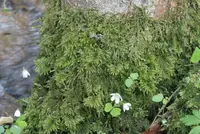
Press the moss gently into rough stone, wood, or porous foam using small pins or mesh until rhizoids attach, then remove supports after 4–8 weeks to keep cushions stable in water flow or terrarium setups.

Flow Management

If grown in an aquarium or paludarium, position the moss in gentle, laminar water flow rather than direct current so fronds sway slightly without being blasted, which reduces mechanical damage and detachment.

Debris Control

Periodically rinse or gently swish the cushions in dechlorinated water and use tweezers to remove trapped leaf litter or algae mats so light and oxygen can reach the lower fronds.

Fragment Propagation

To expand a colony, trim healthy tips into 1–2 cm fragments, spread them in a thin layer on the new surface, and cover loosely with plastic mesh or netting until they knit together into a continuous mat.

Seasonal Moisture Buffer

In outdoor or unheated setups, increase the thickness of the moss layer and add a moisture-retentive but non-soggy underlayer (such as soaked, squeezed-out sphagnum) before hot or windy periods to reduce desiccation stress when growing Fox-tail Feather-moss.

Common Pests and Diseases

Mite infestations

This pest often appears on moss in warm, stagnant, and nutrient-enriched water, where tiny mites graze on delicate shoots and leaf tips. Symptoms include dull, patchy growth and a fine, almost dusty appearance on the moss surface.

Solution

Rinse the moss gently but thoroughly in clean, cool, dechlorinated water and improve water movement and aeration in the habitat. Reduce organic debris, avoid overfeeding fish or invertebrates if grown submerged, and if mites persist, periodically remove and wash affected cushions until new, clean growth replaces damaged areas.

Algal overgrowth

This disease-like overgrowth occurs when algae outcompete the moss under high light and excess nutrients, forming green slime or filaments that smother the shoots. Symptoms include reduced moss vigor, loss of texture, and a slippery coating on the cushions or mats.

Solution

Lower light intensity or shorten light duration to about 6–8 hours, increase water changes, and physically remove as much algae as possible by gently teasing it off the moss. Reduce nutrient inputs, avoid fertilizer runoff into the moss area, and increase water circulation so the moss can regain space and access to light, which is essential for Thamnobryum alopecurum care instructions.

Fungal blight

This disease develops in very stagnant, overly shaded, and constantly saturated conditions, causing brown or black patches that spread through the moss cushions. Symptoms include soft, decaying stems and a musty or earthy smell from the affected area.

Solution

Remove and discard all visibly affected patches, then thin and spread remaining moss to improve air and water flow around the colony. Reduce constant surface wetting, avoid nutrient-rich runoff, and if grown indoors, provide gentle airflow and slightly lower humidity so the moss surface can intermittently dry while the substrate stays moist.

Springtail overpopulation

These insects normally live harmlessly among moss but can become problematic in closed, humid terraria or culture boxes, where large numbers disturb fine shoots and trap moisture around the plant. Symptoms include constant movement of tiny white or gray jumping insects and gradual thinning of delicate new growth.

Solution

Open closed containers more often to vent excess humidity and improve air exchange, then manually remove or trap excess springtails using damp cardboard or leaf pieces and dispose of them. Reduce decaying organic matter in and around the moss, and if necessary, briefly submerge the moss in clean water to dislodge insects before re-establishing it in a slightly leaner, more open substrate.

Slugs and snails

These pests feed on tender moss tips in outdoor or riparian habitats, leaving irregular bare patches and coarse, grazed surfaces. Symptoms include missing new growth, scattered slime trails, and small, cleanly sheared stems across the colony edges or upper surfaces.

Solution

Hand-pick slugs and snails in the evening or early morning and use physical barriers such as copper tape or sharp grit to limit access to moss beds. Reduce nearby hiding spots like dense leaf litter or boards, and in severe cases move valuable moss cushions to raised, protected sites or mesh-covered frames until grazing pressure drops.

Interesting Facts

Miniature tree architecture

This moss forms a distinct tree-like structure, with an upright primary stem and regularly arranged side branches that resemble a tiny canopy, which is unusual among many sheet-forming mosses.

Running water specialist

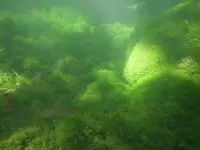
It commonly grows on rocks, banks, and roots in shaded streams and rivers, tolerating moderate water flow and frequent splashing that would dislodge many other moss species.

Indicator of clean streams

Stable populations of this species often occur in cool, well-oxygenated, and relatively unpolluted waters, so its presence can help indicate good ecological condition in freshwater habitats.

Botan icon

Did you know?

In some European river systems, this moss helps create microhabitats for aquatic invertebrates by slowing water flow near the substrate, which increases local retention of fine organic particles and offers shelter for small stream animals.

FAQs about Fox-tail Feather-moss

Growth is relatively slow to moderate. In good conditions, mats may extend a few cm per year, thickening rather than gaining height. Disturbance, low moisture, or poor air movement can slow expansion noticeably.

Grow Healthy Plants with Botan Care

Keep your plants happy and healthy with plant identification, disease detection, and easy care guidance.

Botan plant care app — identify plants on mobile

Explore More Plants