Rock crevice planting
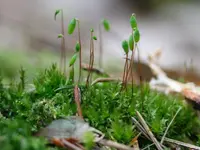
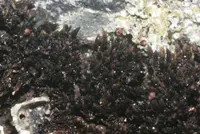
Plant in shallow rock crevices or between stable stones to mimic its natural cushion-bog habitat, which protects the root mat, slows runoff, and helps prevent the dense cushion from drying at the edges.

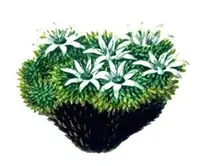
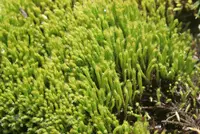
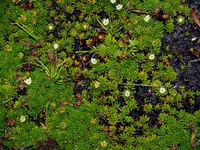
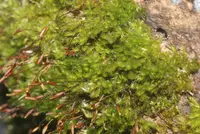
Donatia fascicularis is a small, cushion-forming perennial native to cold, windy habitats in southern South America and parts of Australasia. It creates dense, moss-like mats made of many tiny, tightly packed leaves. The plant usually grows in alpine or subalpine bogs and wet rocky areas, where it endures intense sun, strong winds, and poor, acidic substrates.
This species is slow-growing and sensitive to heat and drought, which makes it challenging outside specialized collections. It prefers cool conditions, constant moisture, and sharply drained, acidic media. Enthusiasts who care for Donatia fascicularis often try to replicate its natural, high-moisture but free-draining habitat.

Care Difficulty
Hard Care

Light Preference
Full Sun

Water Requirements
Keep Soil Moist

Temperature Preference
Cool Climate

Hardiness Zone
7–9

Soil Texture
Sandy, Peaty, Rocky

Soil pH
Strongly acidic (4.5–5.5)

Soil Drainage
Waterlogged tolerant

Fertilization
Minimal (feed rarely)
Scan your plant to receive care tips personalized for your specific plant
Available on iOS and Android
This alpine cushion plant needs cool, bright conditions that mimic open, high-elevation habitats.
This species prefers constantly moist but not stagnant conditions around its shallow root system.
This plant is adapted to cool, harsh climates and performs poorly in sustained heat.
This species prefers cool, moist air but survives in a range of outdoor humidity if roots stay damp.
This cushion-forming plant requires consistently moist, sharply drained, acidic soil to thrive.
This plant can be grown in containers, but it performs best in shallow, very free-draining setups that stay consistently moist.
This alpine cushion plant grows in very poor soils and usually needs no supplemental feeding in garden or container culture.
Pruning needs for Donatia fascicularis are minimal and focus on hygiene rather than shaping.
Transplanting is rarely needed and should be done with great care, as this species dislikes root disturbance.
Propagation of Donatia fascicularis is challenging and usually left to specialist growers or conservation programs.
Mature plants are very cold hardy in their natural range and generally need minimal winter care in permanently cool, moist climates.

Plant Health Check
Not sure what's wrong with your plant? Check your plant's health inside the app.
This species forms extremely dense, compact cushions in windswept peat bogs of southern Chile and Argentina, helping stabilize saturated, acidic soils where few vascular plants can persist.
What look like tiny leaves are actually closely packed, short shoots and scale-like structures; the plant relies largely on its green, photosynthetic stems rather than broad foliage.
It is adapted to cold, high-precipitation, high-wind environments near subantarctic latitudes, tolerating nutrient-poor, waterlogged substrates that regularly experience freezing temperatures.

Donatia fascicularis is one of only two species in the entire genus Donatia worldwide, making it part of a very small and evolutionarily distinctive lineage within the family Stylidiaceae.
This species performs best outdoors in cool, wet, open conditions that mimic alpine bogs. Indoor environments are usually too warm and dry, so Donatia fascicularis indoor care is rarely successful except in specialized climate-controlled collections.
Keep your plants happy and healthy with plant identification, disease detection, and easy care guidance.