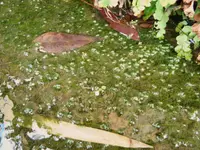
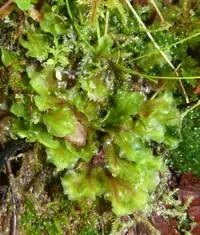
philonotis moss Care (Philonotis fontana)

Also known as: Fountain Apple-moss
philonotis moss

About philonotis moss

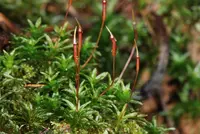
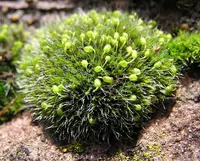
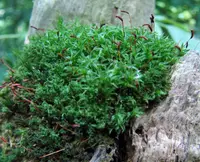
Philonotis moss (Philonotis fontana) is a small, cushion-forming moss often found in wet, open habitats such as seeps, stream edges, and boggy ground. It forms dense, bright green tufts with upright shoots that can slowly spread into soft, sponge-like carpets. In nature it commonly occurs in cool, temperate regions, especially where water flows gently and minerals accumulate. This species is relatively adaptable but thrives where moisture is constant, light is moderate, and the substrate stays acidic and low in nutrients. These traits make it rewarding but somewhat demanding for those who want to learn how to care for philonotis moss.

Main Plant Requirements

Care Difficulty

Moderate Care

Light Preference

Partial Shade

Water Requirements

Aquatic

Temperature Preference

Cold Hardy

Hardiness Zone

3–9

Soil Texture

Silty, Peaty, Organic-rich

Soil pH

Strongly acidic (4.5–5.5), Acidic (5.5–6.5)

Soil Drainage

Waterlogged tolerant

Fertilization

Minimal (feed rarely)

Get Personalized Care Plan

Scan your plant to receive care tips personalized for your specific plant

Available on iOS and Android

How to Care for the philonotis moss

This moss prefers cool, soft light similar to stream banks and seepage areas.

  • Provide bright, indirect light or dappled shade, ideally 2–4 hours of gentle morning sun with shaded or filtered light the rest of the day.
  • Avoid strong midday or afternoon sun, which can dry and bleach philonotis moss; leaf tips turning pale or crisp indicate excess light and desiccation.
  • In summer, increase shade or use finer filtration; in low-light seasons, ensure at least a bright, open sky exposure to maintain dense growth.

This species thrives in consistently saturated, oxygenated substrates.

  • Maintain the substrate constantly moist to saturated; in naturalistic setups, shallow flowing or seeping water is ideal, and surfaces should never dry out fully.
  • If grown in a constructed bed, avoid letting more than the top 1–2 mm of the substrate dry; curling, dull fronds signal underwatering, while foul smell or slimy texture suggests stagnation and overwatering.
  • Increase water flow and frequency in hot, windy weather; in cooler seasons, keep moisture high but avoid stagnant pools by ensuring gentle movement or drainage.

This moss is adapted to cool to mildly warm climates with good moisture availability.

  • Optimal growth occurs around 45–65°F (7–18°C), especially in consistently moist, shaded sites typical of Philonotis fontana habitats.
  • It tolerates winter cold down to about 10–20°F (-12– -6°C) under snow cover or in protected, saturated areas, but rapid freeze–thaw on exposed, dry patches can damage tissue.
  • Heat tolerance is limited; above 80°F (27°C) provide deep shade, high humidity, and moving water, since prolonged hot, dry conditions cause browning and loss of cushion density.

This moss requires very high, constant humidity to stay healthy in cultivation.

  • Aim for 80–100% humidity, mimicking its natural streamside and seep habitats.
  • In drier air, fronds crisp, dull in color, and stop extending, indicating humidity stress rather than lack of water at the roots.
  • Increase humidity by using a covered tray, terrarium-style container, or frequent misting that keeps surfaces moist without stagnant, warm air.

Philonotis fontana thrives in saturated, fine-textured substrates that stay wet but oxygenated.

  • Use a mix of 70–80% fine, organic-rich material such as peat or coco coir with 20–30% fine sand for structure.
  • Keep the substrate constantly wet to waterlogged, with very slow drainage that never allows complete drying.
  • Target slightly acidic conditions around pH 5.0–6.5 to match its natural bog and seep habitats.
  • Avoid compacted, lime-rich, or fast-draining mineral soils; improve aeration by lightly fluffing the surface rather than adding coarse chunky material.

This species adapts well to shallow container culture when moisture is carefully controlled.

  • Choose a broad, shallow container that allows spreading cushions while keeping the whole surface evenly wet.
  • Use minimal or very small drainage holes and stand the container in a water tray to maintain a constant saturated zone.
  • Select non-porous materials like plastic or glazed ceramic to slow evaporation and maintain stable surface moisture.

This moss is adapted to nutrient-poor habitats and usually needs no additional fertilizer under normal conditions.

Philonotis fontana needs only minimal, light grooming to keep cultivated patches dense and healthy.

  • Trim away browned, dead, or damaged tufts at any time using fine scissors for clean cuts.
  • In container or terrarium culture, thin out crowded, overly tall cushions to maintain an even carpet-like surface.
  • Remove debris such as fallen leaves or algae growth to improve air movement and light penetration.
  • Avoid heavy cutting; leave plenty of green tissue so the colony can continue steady growth.

In cultivation, this moss is more often transplanted than repotted, since it is usually grown on surfaces rather than in deep pots.

  • Plan transplanting for cool, moist periods in spring or fall to lower stress and drying risk.
  • Consider moving colonies when growth stalls, patches detach, or the substrate decomposes or compacts.
  • Lift Philonotis fontana as intact mats with a thin layer of underlying substrate to preserve rhizoids.
  • Reposition onto fresh, consistently moist, acidic medium, press gently for firm contact, then shade lightly until re-anchored.

Philonotis fontana is commonly multiplied by simple division rather than sexual spore propagation in home or nursery settings.

  • Divide healthy, actively growing moss cushions in spring or fall when moisture is reliable.
  • Tear or cut mats into small plugs, each containing green shoots and some brown basal tissue.
  • Press divisions firmly onto a moist, acidic substrate and mist gently to settle them in place.
  • Maintain high humidity, diffuse light, and consistent moisture so new rhizoids can anchor and spread.

This moss is naturally cold hardy and generally needs no special winter care in outdoor settings.

  • In exposed containers, keep the substrate evenly moist but not waterlogged during freeze–thaw cycles.
  • Move small pots to a sheltered, unheated location where they stay cold but are less wind-dried.
  • Avoid covering colonies with heavy mulch layers that can smother or encourage rot; use only a very light, loose cover if drying winds are severe.

Care Tips

Substrate pre-soaking

Before planting, soak the planting medium with clean, soft water for several hours so the fine rhizoids can anchor quickly and avoid drying stress in the first days.

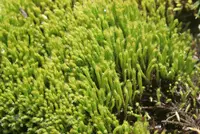
Shallow tray culture

Use a wide, shallow tray with a thin mineral layer and maintain a stable water film just below the moss surface to mimic a seepage habitat and encourage even carpet formation.

Gentle flow management

If grown near moving water, baffle the current with stones or mesh so that flow is slow and laminar, which reduces physical damage while still supplying oxygen and dissolved minerals.

Cold-season optimization

In climates with hot summers, schedule main propagation and division for late fall or early spring when water is cool (40–55°F) to match its natural growth peak and improve establishment success.

Clean propagation tools

When dividing or transplanting cushions, rinse scissors, tweezers, and trays in a mild bleach solution (about 1:10 bleach to water) and then in clean water to limit algae, mold, and nuisance liverworts while caring for philonotis moss.

Common Pests and Diseases

Slimes and snails

These pests graze heavily on soft moss cushions, shredding shoots and leaving irregular bare patches on the colony surface.

Solution

Hand-pick at dusk or early morning, use low, continuous barriers (copper tape or fine mesh) around trays or beds, and keep surrounding debris and dense groundcover to a minimum so hiding spots are reduced while still maintaining the constant moisture Philonotis fontana needs.

Algal overgrowth

This disease-like overgrowth appears as a smooth, often dark-green film that blankets the moss, blocking light and slowing new shoot formation.

Solution

Improve water movement with very gentle flow or more frequent small water changes, reduce dissolved nutrients by avoiding runoff from fertilized soil, and slightly increase light and air movement so the moss dries very lightly at the surface between waterings while the substrate stays consistently moist, which supports stable Philonotis fontana care instructions.

Fungal blight

This disease causes localized brown or gray patches where shoots collapse and may develop a fine, fuzzy growth in persistently stagnant, saturated conditions.

Solution

Carefully remove and discard affected clumps, increase airflow and diffuse light, avoid standing water over the moss surface, and maintain only a thin, even layer of water or moist substrate rather than deep, stagnant pooling.

Moss mites

This pest consists of tiny arachnids living in wet substrates that can cause gradual thinning and uneven texture as they feed on moss tissues and associated microflora.

Solution

Rinse colonies gently but thoroughly with clean, chlorine-free water, reduce organic debris buildup in and around the moss, and if populations stay high, briefly lower surface moisture while keeping the base damp, which stresses the mites more than the water-adapted moss.

Interesting Facts

Natural spring specialist

This moss is strongly associated with mineral-rich springs, seeps, and stream margins, often forming dense, bright green carpets exactly where cool, oxygenated groundwater emerges at the surface.

Water-holding leaf structure

Its leaves have a distinct midrib and overlapping arrangement that create tiny capillary spaces, helping the plant trap and retain flowing water along stream banks and seepage areas.

Indicator of clean water

Populations of this species are frequently used by bryologists and freshwater ecologists as indicators of relatively unpolluted, stable, and consistently moist habitats in temperate regions.

FAQs about philonotis moss

Yellowing usually comes from prolonged drying, excess direct sun, or mineral buildup from hard water. Check moisture first, then reduce light intensity and switch to rainwater or distilled water. Trim badly discolored patches to encourage fresh growth.

Grow Healthy Plants with Botan Care

Keep your plants happy and healthy with plant identification, disease detection, and easy care guidance.

Botan plant care app — identify plants on mobile

Explore More Plants