Polydesmia pruinosa Care

Polydesmia pruinosa

About Polydesmia pruinosa

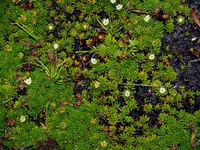
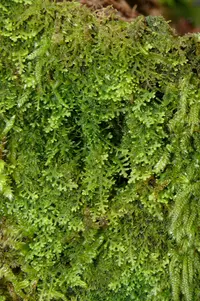
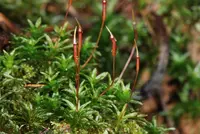
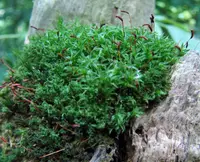
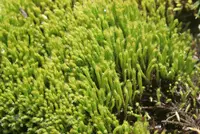
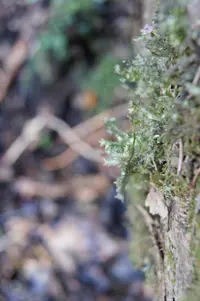
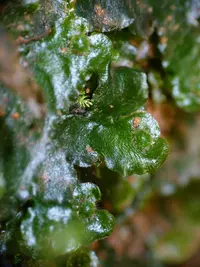
Polydesmia pruinosa is a small terrestrial moss that forms low, dense mats or cushions, usually on moist soil, rotting wood, or shaded rock. Its fine, overlapping leaves create a soft, velvety surface with a slightly frosted look.

This species is typically found in cool, humid forest habitats, often in temperate regions with stable moisture and shelter from direct sun. It stays compact and spreads slowly, which makes it manageable but sensitive to drying out.

Anyone who wants to learn how to care for Polydesmia pruinosa should focus on steady moisture, soft light, and a loose, well-draining but constantly damp substrate.

Main Plant Requirements

Care Difficulty

Moderate Care

Light Preference

Partial Shade

Water Requirements

Moderate Water

Temperature Preference

Warm Climate

Hardiness Zone

Unknown

Soil Texture

Loamy

Soil pH

Slightly acidic (6.5–7.0)

Soil Drainage

Well-drained

Fertilization

Minimal (feed rarely)

Get Personalized Care Plan

Scan your plant to receive care tips personalized for your specific plant

Available on iOS and Android

How to Care for the Polydesmia pruinosa

This species prefers bright but softened light that mimics a lightly shaded woodland edge.

  • Provide 3–5 hours of gentle morning sun with bright, filtered light for the rest of the day to prevent foliage stress on Polydesmia pruinosa.
  • Allow partial shade, especially in hot climates; dappled light under taller plants or shade cloth works well in summer.
  • Watch for pale, scorched patches as a sign of too much direct sun, and for elongated, weak growth as a sign of insufficient light.

Moist but not saturated soil supports steady growth and healthy roots.

  • Water when the top 3–5 cm of soil feels dry, letting water soak in slowly and drain fully through the profile.
  • Use a free-draining, humus-rich soil so excess water moves away from the roots, reducing the risk of rot and fungal issues for Polydesmia pruinosa.
  • In cooler months, extend the interval between waterings, watching for drooping or curling as drought signals and yellowing, mushy tissue as overwatering signs.

Stable, mild temperatures support strong growth and reduce stress on this species.

  • Aim for 60–75°F (16–24°C) during active growth, as this range supports balanced leaf and root development.
  • Protect the plant from cold below about 40°F (4°C); brief dips slightly below may be tolerated but repeated frost will damage tissue.
  • In hot periods above 85°F (29°C), provide shade and extra airflow, avoiding heat buildup near walls, rocks, or reflective surfaces.

This species prefers moderately moist air and benefits from stable humidity indoors.

  • Aim for 50–70% humidity, as very dry rooms below 40% can slow growth and cause fraying or browning of delicate tissues.
  • Watch for crisping edges and dull, shriveled surfaces as signs of humidity stress rather than underwatering alone.
  • Increase humidity with a nearby humidifier, grouped plants, or an open pebble tray, but avoid misting that leaves prolonged surface wetness.

Provide loose, well‑drained, organic‑rich soil to support steady, healthy growth.

  • Use a mix of roughly 50% fine compost or leaf mold, 25% perlite or pumice, and 25% fine bark or coarse sand for structure and drainage.
  • Aim for slightly acidic to neutral pH around 6.0–7.0, which supports nutrient availability and root health.
  • Ensure the mix holds moisture but drains within a few minutes after watering; avoid heavy clay or compacted garden soil that stays wet.
  • Improve aeration by adding extra perlite or bark if the surface crusts, water pools, or roots appear pale and soft after watering.

This species can be grown successfully in containers if moisture and stability are managed carefully.

  • Choose a pot just 2–4 cm wider than the root system so the mix does not stay wet for long periods and roots can colonize it evenly.
  • Use a heavier material such as ceramic if the top growth becomes uneven or leaning, to reduce tipping in wind or accidental knocks.
  • Elevate the container slightly on feet or pot risers so drainage holes stay clear and excess water can escape rapidly after watering.

Most established Polydesmia pruinosa in the ground needs little fertilizer, but light feeding can support growth in poorer soils or containers.

  • Use a balanced, slow-release fertilizer (around 10-10-10) or a thin layer of well-rotted compost in early spring.
  • Feed once in spring and, if growth is weak, once more in midsummer during the active growing season.
  • Apply at half the label rate or slightly lower to avoid root burn and overly lush, weak tissues.
  • Stop feeding in late summer so growth can harden before winter and avoid fertilizing during winter dormancy.

Pruning Polydesmia pruinosa is mainly done to maintain structure and plant health rather than for heavy size control.

  • Carry out light pruning in late winter or very early spring before strong new growth starts.
  • Remove dead, diseased, or storm-damaged branches first, cutting back to healthy wood with clean, sharp bypass pruners or a pruning saw.
  • Thin out crowded or crossing stems to improve air flow and light penetration, which supports sturdier growth.
  • Limit cuts to moderate shaping, preserving the plant’s natural form and avoiding removal of more than about 20–25% of live growth in one year.

This species is usually grown in the ground, so focus is on careful transplanting rather than frequent container repotting.

  • Plan transplanting for early spring or early fall, when temperatures are mild and moisture is more consistent.
  • Look for signs such as roots circling a pot, water running straight through, or stalled growth before moving container-grown plants.
  • Dig a wide planting hole, disturb circling roots gently, and set the root ball at the same depth, then water slowly and thoroughly.
  • After transplanting, keep soil evenly moist, apply a 5–8 cm mulch layer, and avoid heavy fertilization for several weeks to reduce root stress.

Propagation of Polydesmia pruinosa is possible but usually moderate in speed, so patience and stable conditions are important.

  • Use semi-ripe or hardwood cuttings in late summer to early autumn, placing them in a sharply drained, slightly moist substrate.
  • Maintain bright, indirect light and high humidity around cuttings, keeping the medium just barely moist to encourage rooting.
  • Sow seeds in spring in a cool, well-drained seed mix, as germination may be slow and irregular.
  • Label batches clearly and avoid disturbing cuttings or seedlings until roots have formed, then pot on carefully to prevent transplant shock.

This plant is generally cold hardy in suitable climates and often requires only basic winter care once established.

  • In regions with freezing winters, apply a 5–8 cm mulch layer around the root zone in late fall, keeping it away from direct contact with stems.
  • Young or marginally hardy plants benefit from a breathable wrap or windbreak to reduce freeze-thaw stress on stems and buds.
  • Container plants in colder zones can be moved into an unheated but frost-free garage or porch, with soil kept just slightly moist.

Care Tips

Stabilize Mounting Surface

Mount the plant on inert, rot-resistant material such as cork or hard, untreated hardwood, and replace or remount every 3–5 years before the backing decays and compromises root attachment.


Optimize Air Movement

Use a small, oscillating fan on a low setting to keep gentle air movement around the fronds, which reduces fungal spotting and helps the plant dry evenly after misting or watering.

Targeted Nutrient Dips

Instead of heavy fertilizing, briefly dip the root area in a dilute, balanced fertilizer solution (about 1/4 strength) during active growth, then let excess drain fully to avoid salt buildup.

Quarantine And Inspect

Quarantine new ferns for 2–3 weeks and inspect both frond undersides and root zones with a magnifier so scale, mites, or mealybugs are detected early before they spread to an established collection.

Seasonal Light Shifting

Adjust the plant’s position seasonally, moving it slightly closer to bright windows in winter and back again in summer to keep light levels stable without exposing fronds to harsh direct sun when growing Polydesmia pruinosa indoors.

Common Pests and Diseases

Green hair algae

This pest forms fine, green filamentous growth on the plant surface and nearby hardscape, especially under strong light and excess nutrients. Symptoms include fuzzy tufts that trap debris and slowly shade the fronds.

Solution

Reduce light intensity or duration to 6–8 hours, stabilize CO2 and nutrients, and increase water changes to limit dissolved waste. Manually remove algae with a soft brush or by trimming affected fronds, and improve flow around the colony to prevent buildup; this is a key part of Polydesmia pruinosa care instructions in aquaria.

Black beard algae

This pest appears as short, dark, brush-like tufts on the algal mat and adjacent surfaces in aquariums with unstable CO2 or inconsistent maintenance. Symptoms include slow smothering of healthy growth and a rough, darkened appearance.

Solution

Stabilize CO2 levels, avoid sudden changes in fertilization, and maintain a regular water-change schedule. Gently prune or scrape affected sections, reduce organic load from overfeeding, and increase flow so detritus does not settle on the thallus surface.

Cyanobacterial slime

This disease is caused by cyanobacteria forming blue-green, reddish, or dark slimy sheets over the algal mat in low-flow, nutrient-rich zones. Symptoms include a slippery film with a strong odor that lifts easily in sheets.

Solution

Increase water circulation and oxygenation, reduce excess nutrients by cutting back feeding and performing frequent partial water changes, and manually siphon or lift off the slime. In stubborn cases, a short blackout period of 2–3 days combined with improved long-term flow and filtration helps prevent recurrence.

Saprophytic decay

This disease occurs when dead or shaded portions of the algal mat are colonized by fungi and bacteria, turning sections brown, mushy, and foul-smelling. Symptoms include rapid breakdown of older tissue, especially in stagnant or dirty conditions.

Solution

Trim away decaying or heavily shaded material and remove detritus trapped in the colony. Improve water quality through regular water changes, stronger filtration, and better circulation, and avoid allowing thick layers of old growth to accumulate unchecked.

Interesting Facts

Lichenized fungus partnership

This species is a lichen-forming fungus that lives in a stable symbiosis with microscopic photosynthetic partners, usually green algae, sharing nutrients produced through photosynthesis in exchange for water and mineral access.

Crustose growth form

It typically forms a thin, crust-like layer tightly attached to its substrate, which can make it appear as a subtle pruinose or dusty coating rather than a leafy or shrubby lichen.

Specialized habitat preferences

Reports of this species are limited and localized, suggesting it occupies relatively specific microhabitats, likely on particular bark or rock types under defined moisture and light conditions.

FAQs about Polydesmia pruinosa

This species can be grown indoors if given stable temperatures, good airflow, and moderate humidity. Provide enough horizontal space, as it spreads more than it climbs. Regular trimming helps maintain a tidy appearance in containers or terrariums.

Grow Healthy Plants with Botan Care

Keep your plants happy and healthy with plant identification, disease detection, and easy care guidance.

Botan plant care app — identify plants on mobile

Explore More Plants