Creeping Fingerwort Care (Lepidozia reptans)

Creeping Fingerwort

About Creeping Fingerwort

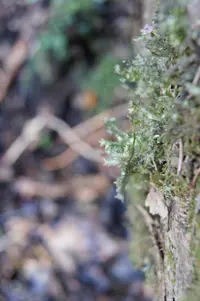
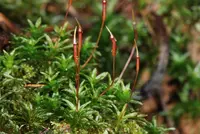
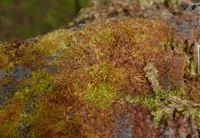
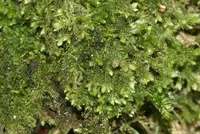
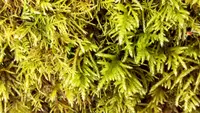
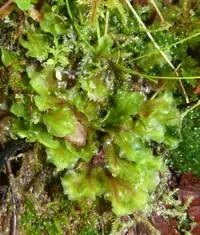
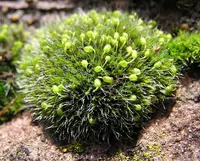
Creeping fingerwort (Lepidozia reptans) is a small creeping liverwort often used as a fine, moss-like ground cover in terrariums and shaded displays. It forms dense, bright to medium green mats made of tiny, fingered shoots that spread over soil, rocks, or decaying wood.

In nature it grows in cool, humid forests, especially on rotting logs and wet banks across parts of Europe, North America, and other temperate regions. It prefers constant moisture, soft light, and stable, mild temperatures.

This species is delicate and slow to establish, so handling and drying out are the main risks. Successful growers focus on stable humidity and gentle airflow when learning how to care for Creeping Fingerwort.

Main Plant Requirements

Care Difficulty

Hard Care

Light Preference

Shade

Water Requirements

Keep Soil Moist

Temperature Preference

Cool Climate

Hardiness Zone

5–9

Soil Texture

Peaty, Organic-rich, Loamy

Soil pH

Strongly acidic (4.5–5.5), Acidic (5.5–6.5)

Soil Drainage

Waterlogged tolerant

Fertilization

Minimal (feed rarely)

Get Personalized Care Plan

Scan your plant to receive care tips personalized for your specific plant

Available on iOS and Android

How to Care for the Creeping Fingerwort

This moss-like liverwort prefers low, cool light similar to a shaded woodland floor.

  • Provide bright to medium shade with dappled or filtered light, such as 1–2 hours of weak morning sun and the rest of the day in full shade.
  • Avoid direct midday or afternoon sun, which can scorch Creeping Fingerwort, dry its delicate fronds, and bleach its color within a few days.
  • In summer, increase shade or use denser cover; in winter, allow slightly more indirect light if tree canopies thin and light intensity drops.

This plant needs consistently moist conditions and reacts quickly to drying out.

  • Keep the substrate evenly moist, not soggy; surface should feel damp at all times, never allowing the top 1–2 cm to become fully dry.
  • Use soft, low-mineral water if possible and apply gently so the fine stems of Lepidozia reptans are not disturbed or exposed.
  • In warmer or windy weather, check moisture daily and mist or water lightly when edges start to curl; reduce watering slightly in cool, stable conditions to prevent stagnant, sour-smelling substrate.

This species thrives in cool, stable conditions and dislikes temperature extremes.

  • Aim for 50–68°F (10–20°C) for steady growth, matching a cool, shaded forest floor or damp rock habitat.
  • Protect from frost; growth slows below 41°F (5°C) and tissue damage can occur with repeated freezing and thawing.
  • Above 75°F (24°C), increase humidity and shade, and avoid hot, dry air or direct sun, which can cause rapid desiccation and browning.

This moss-like liverwort needs constantly high humidity to stay dense and green.

  • Aim for 70–90% humidity, as Creeping Fingerwort quickly dries out in typical heated indoor air.
  • Crisping tips, shrinking mats, and pale fronds indicate humidity is too low.
  • Place trays of moist sphagnum or pebbles under the container, and use a fine-mist sprayer several times daily without leaving the foliage dripping.

This species prefers a constantly moist, loose, organic substrate similar to damp forest litter.

  • Use a very fine-textured mix based on milled sphagnum peat or coco coir with abundant leaf mold or composted bark to mimic natural woodland duff.
  • Ensure the mix is moist yet airy by adding 20–30% fine perlite or horticultural sand to prevent compaction and anaerobic (oxygen-poor) conditions.
  • Keep pH slightly acidic, roughly 5.0–6.0, as Lepidozia reptans struggles in alkaline or limed substrates.
  • Avoid heavy garden soil, clayey mixes, and any medium that dries to a hard crust or stays waterlogged after irrigation.

This creeping liverwort can be grown in shallow containers if moisture and stability are carefully controlled.

  • Choose a wide, shallow pot to allow lateral spread while keeping the entire substrate surface evenly moist.
  • Use plastic or glazed ceramic rather than porous terracotta so the thin substrate does not dry between waterings.
  • Stand the container inside a wider tray or terrarium base to buffer humidity and protect the delicate mat from edge desiccation.

Lepidozia reptans is very nutrient-sensitive and usually grows best with little to no added fertilizer.

  • If growth is extremely weak in a sterile substrate, apply a highly diluted balanced NPK fertilizer at 1/8–1/4 strength.
  • Feed at most once in mid to late spring during active growth; avoid repeated applications.
  • Skip all feeding in fall and winter to prevent salt buildup and tissue burn.
  • Use rainwater or distilled water after any feeding to flush excess nutrients from the moss substrate when caring for Creeping Fingerwort.

Lepidozia reptans needs only minimal pruning to keep mats tidy and healthy.

  • Trim lightly in spring or early summer when plants are actively growing and recover fastest.
  • Pinch or snip off dead, discolored, or decaying fronds to reduce mold and improve air flow.
  • Shorten overlong or crowded strands to maintain an even, low cushion and prevent shading of inner growth.
  • Use fine scissors or tweezers and avoid pulling, which can tear delicate rhizoids and detach whole patches.

This liverwort is more often transplanted than repotted, as it forms shallow mats rather than deep roots.

  • Transplant when mats overrun the surface, growth stalls, or the substrate compacts and drains poorly.
  • Best timing is in cool, moist conditions of spring or early autumn to limit moisture loss.
  • Move mats every 2–3 years by lifting thin sections with attached substrate and placing onto fresh, acidic, moisture-retentive media.
  • Water gently, keep in high humidity and low to moderate light for 1–2 weeks to reduce transplant shock.

Lepidozia reptans is most commonly propagated by division of its creeping mats rather than by spores at home.

  • Divide healthy, moist patches in spring or early summer, when growth is active.
  • Lift thin sections with a blade, keeping rhizoids and some substrate intact to anchor pieces.
  • Press divisions onto fresh, fine, acidic media and mist gently to ensure close contact.
  • Maintain constant moisture, high humidity, and soft, indirect light until new tips extend.

This moss-like liverwort is relatively cold tolerant in the ground and usually needs little special winter care.

  • In climates with prolonged freezes below about 20°F, add a light mulch around the substrate to buffer temperature swings.
  • Avoid heavy, compacting mulches that stay soggy and encourage fungal growth over the mats.
  • For container-grown patches, move trays into a cold frame, unheated garage, or sheltered porch to prevent repeated freeze–thaw cycles.

Care Tips

Use Shaded Hardscape

Establish mats on porous, shaded hardscape like rough stone or old bricks, then move these units as living tiles into terrariums or troughs to create instant dense coverage with less disturbance to the fragile shoots.

Thin, Do Not Tear

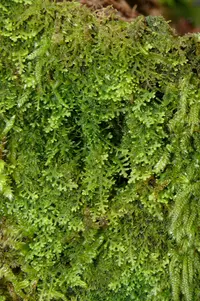
When patches become thick, lift and gently pinch away outer sections with tweezers instead of ripping clumps, which reduces internal rot and keeps airflow between the tiny overlapping fronds.

Bottom-Misting Routine

Set the pot or culture tray on a fine mesh above a shallow water reservoir and mist the reservoir surface rather than the foliage to maintain a humid boundary layer while keeping delicate leaf lobes cleaner and less prone to fungus.

Quarantine New Mats

Keep any newly acquired mosses, liverworts, or ferns in a separate, closed container for 3–4 weeks to watch for springtails, mites, or fungal issues before they contact established Lepidozia reptans colonies.

Use Soft Tools

Handle and rearrange growth with soft brushes, blunt tweezers, or a plastic plant label instead of fingers, which limits compaction of the fine stems and helps when caring for Creeping Fingerwort in close terrarium layouts.

Common Pests and Diseases

Fungus gnat larvae

This pest is attracted to constantly wet, organic-rich substrates and the larvae feed on fine rhizoids and tender tissue of the mat. Symptoms include thinning patches, poor regrowth, and a soggy, decomposing surface layer.

Solution

Allow the substrate surface to drain more freely, use a fine-mesh barrier or top-dress with inert sand or small grit, and reduce standing water around the colony. In indoor setups, use yellow sticky traps for adults and apply a biological control such as Bacillus thuringiensis israelensis (BTi) in the water to reduce larvae populations while maintaining high humidity for Lepidozia reptans care.

Mite damage

These insects are minute and favor dense, humid moss and liverwort mats, where they scrape and pierce delicate shoots. Symptoms include rough or bronzed tips, distorted new growth, and very fine webbing in severe cases.

Solution

Increase gentle air movement across the culture, rinse mats under a soft stream of water to dislodge mites, and isolate affected trays from healthy ones. If needed, use a targeted miticide or horticultural oil spray applied as a fine mist to surrounding hardscape, avoiding heavy drenching of the gametophyte tissue.

Algal overgrowth

This disease-like condition occurs when free water, bright light, and nutrient-rich runoff allow green algae to colonize the surface of the liverwort mat. Symptoms include slick, bright green films or crusts that smother shoots and block light penetration.

Solution

Reduce dissolved nutrients by avoiding fertilizer runoff, improve water movement so surfaces do not stay submerged, and slightly lower light intensity or duration to favor the liverwort over algae. Gently rub or rinse off algal films from hardscape and exposed surfaces, taking care not to break the fine shoots when growing Creeping Fingerwort.

Filamentous mold

This disease is promoted by stagnant, saturated air and poor hygiene in closed terraria, leading to white, grey, or translucent fungal threads weaving through the dense mat. Symptoms include soft, collapsing patches and a musty smell in severe cases.

Solution

Increase ventilation, open lids more frequently, and avoid condensation dripping directly on the colony. Remove heavily affected clumps with sterile tweezers, then spot-treat surrounding areas by misting with diluted hydrogen peroxide or a mild fungicide that is known to be safe for bryophytes, monitoring closely for stress responses.

Interesting Facts

Highly segmented shoots

This liverwort forms delicate, repeatedly branched shoots with distinct, deeply divided leaves that give it a finely feathered appearance on rotting logs and moist soil in cool forests.

Strict moisture specialist

It is strongly confined to humid, shaded microhabitats such as decaying wood, peat, and wet rock crevices, and quickly disappears from sites that become drier or more exposed.

Indicator of clean habitats

Populations are most often found in undisturbed, low-pollution forests and bog margins, so its presence is sometimes used as a field clue to relatively intact and stable microclimates.

FAQs about Creeping Fingerwort

This moss-like liverwort spreads slowly to moderately by creeping stems and tiny fragments. It can form dense mats in consistently moist, shaded spots but is not typically considered aggressive or difficult to control in gardens or terrariums.

Grow Healthy Plants with Botan Care

Keep your plants happy and healthy with plant identification, disease detection, and easy care guidance.

Botan plant care app — identify plants on mobile

Explore More Plants