Rustwort Care (Nowellia curvifolia)

Rustwort

About Rustwort

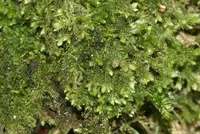
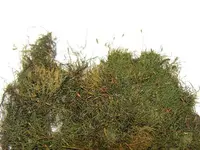
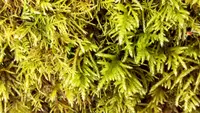
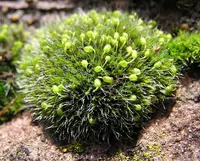
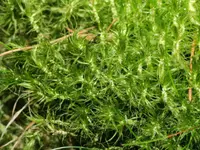
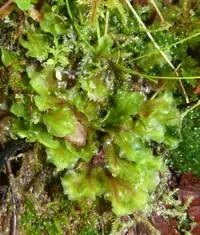
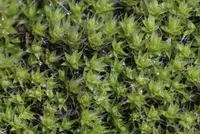
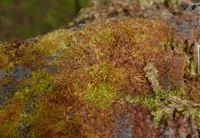
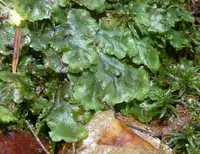
Rustwort (Nowellia curvifolia) is a small leafy liverwort, a simple non-vascular plant that spreads as a thin, soft mat over damp wood and bark. Its tiny, overlapping leaves form rust-colored to orange-brown carpets that hug the surface tightly.

In nature it occurs mainly in cool, moist forests of the Northern Hemisphere, especially on decaying logs near streams or shaded slopes. It is sensitive to drying out and pollution, which makes it less forgiving than common houseplants.

Those who want to learn how to care for Rustwort should focus on constant moisture, clean, soft water, gentle airflow, and shaded conditions that mimic a humid forest floor.

Main Plant Requirements

Care Difficulty

Hard Care

Light Preference

Shade

Water Requirements

Keep Soil Moist

Temperature Preference

Cool Climate

Hardiness Zone

Unknown

Soil Texture

Peaty, Organic-rich, Silty

Soil pH

Strongly acidic (4.5–5.5)

Soil Drainage

Waterlogged tolerant

Fertilization

Minimal (feed rarely)

Get Personalized Care Plan

Scan your plant to receive care tips personalized for your specific plant

Available on iOS and Android

How to Care for the Rustwort

This small moss-like liverwort prefers consistently low to moderate light, similar to a shaded forest floor.

  • Provide bright, indirect light or full shade with brief early-morning sun only; aim for 2–4 hours of soft light per day for Rustwort.
  • Grow under tree canopy, on rotting logs, or in north- or east-facing exposures where light is filtered and never harsh or reflective.
  • Protect from direct midday or afternoon sun, which can bleach and desiccate fronds; in winter, slightly brighter but still indirect light is tolerated.

This species needs constant moisture around its thin tissues and substrate without becoming waterlogged.

  • Keep the substrate consistently damp; the surface should feel moist at all times and never fully dry between waterings for Nowellia curvifolia.
  • Use soft, low-mineral water where possible, and ensure excess can drain or run off so the base does not sit in stagnant puddles.
  • Watch for dull, crispy fronds as a sign of underwatering, and pale, decaying patches with a sour smell as potential overwatering or poor drainage symptoms.

This liverwort thrives in cool, humid, forest-like conditions with only mild temperature swings.

  • Aim for 50–68°F (10–20°C) for steady growth, with best vigor around 55–64°F (13–18°C) in moist, shaded sites.
  • Protect from frost; tissue damage often begins near 28–30°F (-2 to -1°C), so provide shelter or insulation in freezing weather.
  • Limit heat exposure; prolonged temperatures above 77°F (25°C) with low humidity cause drying and decline, so increase shade and moisture during hot spells.

This moss-like liverwort needs very high humidity to stay hydrated and photosynthesize efficiently.

  • Aim for 80–100% humidity, similar to a constantly damp stream bank or rotting log surface.
  • It declines quickly in dry air; fronds curl, dull in color, and become brittle when humidity drops below 60%.
  • Increase humidity with enclosed terrariums, covered trays with moist sphagnum, or placement in a high-humidity paludarium when caring for Rustwort.

This species prefers a constantly moist, highly organic, low-mineral substrate that mimics decaying wood.

  • Use a fine-textured mix of chopped sphagnum, leaf mold, and milled bark to create a loose, humus-rich surface layer.
  • Ensure water drains freely but leaves the top layer evenly damp; avoid heavy, compacted mixes that stay waterlogged below but crust on top.
  • Maintain slightly acidic conditions around pH 5.0–6.0 by using peat-based or leaf-mold materials instead of alkaline composts or lime-treated media.
  • Keep the substrate shallow and airy, gently firmed but never packed, so rhizoids can anchor without being smothered.

This liverwort can be grown in shallow containers, especially terrariums and paludariums, if moisture and stability are controlled carefully.

  • Choose a wide, shallow container so the spreading mats can form a continuous carpet without deep, stagnant water pockets.
  • Use a solid, non-porous pot or tray (glass, plastic) to slow evaporation and keep surface moisture stable for longer periods.
  • Raise the planting tray slightly above any standing reservoir water so only capillary moisture reaches the substrate, preventing constant submersion.

Nowellia curvifolia usually grows on decaying wood and needs little to no supplemental fertilizer in cultivation.

Pruning Nowellia curvifolia is minimal and mainly cosmetic.

  • Trim away dead or discolored fronds at any time using fine scissors or tweezers to keep mats clean.
  • Remove loose, detached pieces rather than cutting firmly attached, healthy tissue to avoid tearing the mat.
  • Gently thin overcrowded patches to improve air flow and reduce mold, lifting small tufts instead of heavy cutting.

This liverwort is typically grown on bark or rotting wood, so focus on gentle transplanting rather than classic repotting.

  • Transplant when growth forms a thick mat or the wood substrate decays and breaks apart.
  • Best timing is in mild, moist conditions, often spring or early autumn, to reduce desiccation stress.
  • Lift small sections with attached substrate using tweezers, then press onto fresh, damp wood or rock.
  • Keep the new mount evenly moist and shaded for several weeks so rhizoids can reattach with minimal shock.

Propagation of this moss-like liverwort is common and usually done vegetatively rather than from spores.

  • Divide small clumps during cool, moist periods in spring or autumn for highest survival.
  • Gently tear or cut mats into pieces, keeping each fragment on a bit of original substrate.
  • Press fragments onto fresh, continuously damp wood, rock, or soil and mist lightly to secure contact.
  • Maintain high humidity, low to medium light, and stable moisture until steady new creeping growth appears.

For outdoor Rustwort in temperate climates, winter care is usually minimal because it tolerates cool, damp conditions well.

  • In very cold regions, grow it on removable mounts so containers can be overwintered in a frost-free, shaded area.
  • Avoid freezing-drying cycles by keeping the substrate barely moist, not waterlogged, during cold spells.
  • Shelter from harsh, drying winds that can desiccate exposed mats even when temperatures stay above freezing.

Care Tips

Secure Moss Substrate

Anchor small tufts onto rough, stable substrates such as bark, lava rock, or cork using a loose mesh or fine fishing line so the plant can root firmly without being dislodged by misting or water flow.

Use Gentle Water Flow

If grown in a paludarium or near moving water, position the colony where it receives constant splash or fine trickle rather than direct current, which can tear off the delicate shoots over time.

Control Algae Growth

Limit direct light on surrounding hardscape and remove excess nutrients in the water to reduce algae films, which can smother the thin fronds and outcompete them for light and gas exchange.

Create Humid Microclimate

For small indoor setups, enclose the planting area with a clear lid or plastic dome that has a few air holes to maintain 80–95% local humidity while still allowing some air exchange to prevent mold.

Fragment For Propagation

To expand a colony, gently divide healthy patches into small fragments and press them onto new moist substrate surfaces, keeping them very stable for several weeks while they reattach and grow Rustwort into a continuous mat.

Common Pests and Diseases

Fungus gnat larvae

This pest affects constantly wet, organic-rich moss substrates and can damage delicate rhizoids and new growth as larvae feed in the surface layer.

Solution

Reduce excess moisture by allowing the substrate surface to be just moist, not waterlogged, improve air movement, and use yellow sticky traps to monitor adults; in persistent cases, drench with a biological control containing Bacillus thuringiensis israelensis (Bti) according to label directions to target larvae without harming the moss when caring for Rustwort.

Filamentous green algae

This disease-like overgrowth occurs on saturated, nutrient-enriched or brightly lit setups and can smother the small shoots, blocking light and limiting gas exchange.

Solution

Lower light intensity slightly, improve water movement or gentle air circulation, reduce nutrient inputs, and manually remove algae films with tweezers or a soft brush during water changes or misting cycles until the liverwort recovers.

Mucor and other mold growth

This disease appears as fluffy white or gray mold on decaying plant fragments or very stagnant, humid patches and can spread over healthy mats if not controlled.

Solution

Increase airflow, remove any decaying organic material, thin overcrowded patches, and spot-treat affected surfaces with a very dilute hydrogen peroxide solution or isopropyl alcohol on a cotton swab, avoiding broad spraying to prevent damage to healthy tissue.

Slugs and snails

These pests are attracted to damp mossy surfaces and feed on tender shoots, leaving irregular holes, shredded patches, and slime trails on and around the mat.

Solution

Hand-pick slugs and snails during evening or early morning, use physical barriers such as copper tape on terrarium rims, and deploy iron phosphate slug pellets outside the container if needed, keeping all baits away from enclosed microhabitats.

Springtail overpopulation

These insects normally help decompose organic matter but, when overcrowded in very wet closed systems, can irritate delicate surfaces and signal imbalance in moisture and organic load.

Solution

Increase ventilation, reduce overwatering and excess leaf litter, introduce a predatory mite culture in bioactive setups if necessary, and perform partial substrate replacement or rinsing to reset populations to a low, stable level.

Interesting Facts

Rotten wood specialist

This liverwort is strongly associated with well-decayed conifer logs, especially rotting spruce and fir wood, and is rarely found on fresh or only slightly decomposed substrates.

Curved leaf midribs

Its tiny leaf lobes have distinctly curved midribs, a feature that inspired the species name curvifolia and helps bryologists distinguish it from similar small red-brown liverworts.

Bright red-brown coloration

The shoots often appear strikingly red to reddish-brown, particularly when dry, which contrasts with the green mosses that commonly grow alongside it on the same decaying logs.

FAQs about Rustwort

This liverwort spreads slowly by creeping stems and spores, forming tight mats rather than large patches. In typical terrarium or woodland dish culture it is not considered aggressive and is easy to keep within boundaries.

Grow Healthy Plants with Botan Care

Keep your plants happy and healthy with plant identification, disease detection, and easy care guidance.

Botan plant care app — identify plants on mobile

Explore More Plants