Use Shaded Mounts
Attach patches to rough bark, rotting wood, or shaded rock using biodegradable mesh or natural twine so the creeping stems can anchor securely and form an even, carpet-like mat.

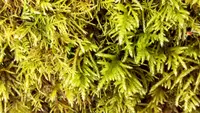
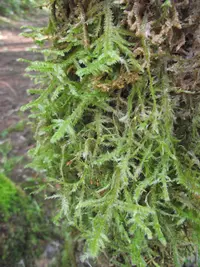
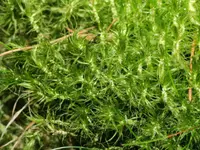
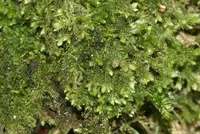
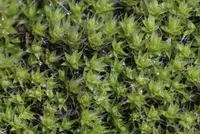
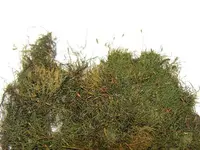
Oregon beaked moss, Kindbergia oregana, is a creeping moss that forms dense, bright to deep green carpets on forest floors, logs, and rocks. Its fine, feather-like stems create a soft, textured mat.
This species is native to the moist, shaded forests of the Pacific Northwest, especially Oregon and surrounding regions. It often dominates in cool, humid woodland habitats.
It is generally considered easy to grow when given consistent moisture, shade, and a stable, undisturbed surface such as rock, wood, or compact soil. Understanding how to care for Oregon Beaked Moss mainly involves matching its naturally cool, damp, low-light conditions.
The plant does not tolerate drying out or strong, direct sun, so it suits sheltered outdoor spots or specialized terrarium and moss garden setups.

Care Difficulty
Moderate Care

Light Preference
Shade

Water Requirements
Keep Soil Moist

Temperature Preference
Cool Climate

Hardiness Zone
6–9

Soil Texture
Loamy, Silty, Organic-rich

Soil pH
Strongly acidic (4.5–5.5), Acidic (5.5–6.5)

Soil Drainage
Moist but well-drained

Fertilization
Minimal (feed rarely)
Scan your plant to receive care tips personalized for your specific plant
Available on iOS and Android
This forest moss thrives in cool, shaded sites with very limited direct sun exposure.
This species prefers consistently moist conditions and does not tolerate prolonged drying.
This temperate woodland moss favors cool to mild conditions and avoids temperature extremes.
This moss prefers consistently moist, high-humidity conditions to stay dense and green.
Kindbergia oregana thrives in soft, moisture-retentive yet aerated substrates rich in decaying organic matter.
This species can grow in shallow containers if moisture and stability are carefully managed.
Kindbergia oregana in naturalistic plantings needs minimal feeding, but light nutrition can support denser growth in culture.
Pruning needs for Kindbergia oregana are light and mainly hygienic, aimed at keeping mats even and healthy.
Kindbergia oregana is most often transplanted as ground or substrate cover rather than repotted like a typical potted plant.
Propagation of Kindbergia oregana is straightforward through division of existing mats rather than by spores for most growers.
This moss is generally cold hardy within its native range and usually needs minimal winter attention when grown outdoors in suitable climates.

Plant Health Check
Not sure what's wrong with your plant? Check your plant's health inside the app.
This moss is naturally concentrated in the moist conifer and mixed forests of the Pacific Northwest, where it often forms extensive carpets on soil, decaying wood, and the bases of tree trunks.
Its regularly pinnate, fern-like shoots interlock to create dense, springy mats that help stabilize forest floor soil and retain moisture around tree seedlings and understory plants.
By holding water between its overlapping leaves and stems, this species moderates temperature and humidity at the ground surface, creating a buffered microhabitat for fungi, invertebrates, and germinating seeds.

Oregon beaked moss is commonly used as an indicator of relatively cool, humid, and shaded forest conditions in the Pacific Northwest, so its presence can help ecologists quickly assess the local microclimate and disturbance history of a forest stand.
This species spreads steadily by creeping stems and fragmenting patches but is not considered aggressive in most garden settings. It forms low mats and can gradually fill moist, shaded areas without typically overwhelming larger, established plants.
Keep your plants happy and healthy with plant identification, disease detection, and easy care guidance.