Douglas' neckera moss Care (Neckera douglasii)

Douglas' neckera moss

About Douglas' neckera moss

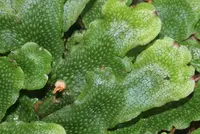
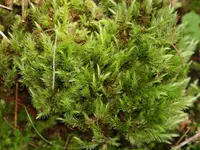
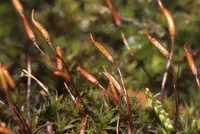
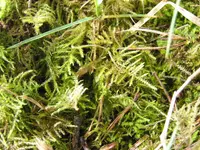
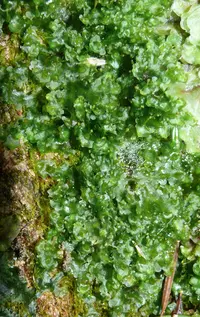
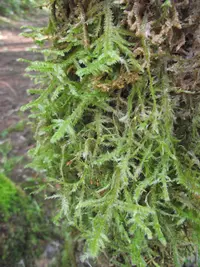
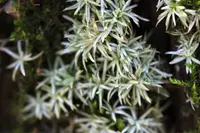
Douglas' neckera moss (Neckera douglasii) is an epiphytic moss that forms soft, overlapping mats on tree trunks, branches, and shaded rocks. It has flattened, glossy green shoots that drape or cascade, giving a delicate, layered look.

This species is native to moist forests of the Pacific Northwest, where it thrives in cool, humid, and shaded conditions. It is sensitive to drying out and air pollution, which can make it more challenging to maintain indoors.

Those who want to care for Douglas' neckera moss should aim to mimic its natural habitat with steady moisture, gentle airflow, and protection from direct sun.

Main Plant Requirements

Care Difficulty

Moderate Care

Light Preference

Shade

Water Requirements

Keep Soil Moist

Temperature Preference

Cool Climate

Hardiness Zone

6–9

Soil Texture

Rocky, Organic-rich

Soil pH

Acidic (5.5–6.5)

Soil Drainage

Moist but well-drained

Fertilization

Minimal (feed rarely)

Get Personalized Care Plan

Scan your plant to receive care tips personalized for your specific plant

Available on iOS and Android

How to Care for the Douglas' neckera moss

This epiphytic moss prefers low to moderate light that mimics a shaded forest canopy.

  • Provide bright, filtered light or open shade, such as dappled light under trees, with no more than 1–2 hours of weak morning sun.
  • Avoid direct midday or afternoon sun, which can scorch Douglas' neckera moss, causing bleaching, dry edges, and brittle cushions.
  • In summer, increase shade or distance from exposed edges; in winter, allow slightly brighter indirect light where overstory shade is lighter.

This moss thrives with consistently damp conditions but suffers if submerged or left bone-dry for long periods.

  • Aim for substrates that stay evenly moist, allowing only the surface to feel just barely dry before the next soaking rainfall or misting.
  • In cool, wet seasons, reduce added water and rely mostly on natural rainfall to avoid stagnant moisture and slimy, decomposing patches of Neckera douglasii.
  • During warm, drying periods, increase fine misting or gentle soaking and watch for curling, crisp tips as a sign of underwatering, or dark, mushy growth as overwatering.

This species is adapted to mild, oceanic-type climates with cool summers and frost-free or light-frost winters.

  • Optimal growth occurs around 45–65°F (7–18°C), especially in shaded, humid ravines or forested rock faces.
  • The moss tolerates brief drops to about 25°F (-4°C) if kept shaded and moist, but sustained hard freezes can desiccate and kill exposed mats.
  • Prolonged heat above 80°F (27°C), especially with low humidity and sun exposure, stresses plants, so favor cool, north-facing or deeply shaded sites in hot seasons.

This moss needs consistently high humidity to stay hydrated and maintain healthy green growth.

  • Aim for 70–95% humidity, similar to a shaded, moist forest environment.
  • Dry indoor air below 50% leads to crisping tips, dull color, and shrinking mats.
  • Increase humidity with frequent fine misting, grouped moisture-loving plants, or an open-top terrarium or humidity dome.

Neckera douglasii grows best on moist, stable, organically rich substrates rather than typical potting soil.

  • Mimic its natural habitat with a loose layer of sphagnum moss, fine bark, and leaf litter over rock, wood, or compacted soil.
  • Ensure constant, gentle moisture with no standing water; the substrate should feel damp but never waterlogged.
  • Slightly acidic conditions around pH 5.0–6.5 support healthy growth and reduce mineral crust formation.
  • Avoid dense, peat-only mixes or heavy clay that stay saturated and limit air movement around the rhizoids.

This species can be grown in shallow containers or terraria if humidity and constant surface moisture are maintained.

  • Use a wide, shallow container to maximize horizontal spread and reduce deep water accumulation at the base.
  • Place a coarse mineral layer (such as fine gravel) under the substrate to keep the moss surface just moist, not submerged.
  • Choose a non-porous container material like glass or glazed ceramic to slow evaporation and stabilize surface moisture levels.

This moss gains most nutrients from moist, decaying organic matter and usually needs little added fertilizer.

  • If growth is very sparse on sterile surfaces, use a highly diluted balanced liquid fertilizer (around 1/8–1/4 strength, low NPK) in spring.
  • Apply at most once in early and once in mid growing season, never on dry moss and always after thorough watering or misting.
  • Prefer weak compost tea or leaf-mold extract over synthetic products to mimic natural forest conditions for Douglas' neckera moss.
  • Avoid feeding in late fall and winter to prevent stressing the colony when metabolism is slow.

Pruning Neckera douglasii is minimal and mainly cosmetic, aimed at keeping colonies even and healthy.

  • Best timing is during active growth in spring or early fall when recovery is fastest.
  • Gently pinch or trim away dead, discolored, or contaminated patches using clean scissors or tweezers.
  • Lightly thinning crowded tufts can improve airflow and reduce fungal issues without changing the natural mat-like form.
  • Avoid heavy cutting; remove only small sections at a time to keep moisture balance and microhabitat stable.

Neckera douglasii is usually grown on logs, rocks, or bark rather than in pots, so care focuses on gentle transplanting.

  • Transplant when colonies are being disturbed by maintenance, shading, or drying, not on a fixed schedule.
  • Choose cool, moist seasons such as early spring or early fall to reduce desiccation stress.
  • Lift moss with a thin layer of its original substrate intact, then press it onto the new surface with similar texture and pH.
  • Mist thoroughly after placement, shade for 1–2 weeks, and keep humidity high so rhizoids can reattach without drying.

Propagation of Neckera douglasii is typically done by division of existing mats rather than from spores in home settings.

  • Best season is early spring or early fall, when moisture is reliable and temperatures are mild.
  • Cut or tear small sections of healthy moss mats, each containing stems and attached substrate if possible.
  • Press pieces firmly onto a compatible, rough, moist surface such as bark, rock, or wood, ensuring close contact.
  • Maintain constant high humidity and gentle shade for several weeks so new rhizoids can anchor and spread.

This moss is naturally cold hardy in much of its native range and usually needs no special winter care outdoors.

  • In very exposed sites, maintain a layer of leaf litter or coarse mulch nearby to help stabilize surface humidity.
  • Avoid de-icing salts and runoff, which can burn tissues and disrupt colony health during winter.
  • For container displays, move mounts to a sheltered, unheated but frost-sheltered area with consistent moisture.

Care Tips

Use natural substrates

Attach the moss to rough, unsealed hardwood, bark slabs, or lava rock instead of plastic or smooth stone to give rhizoids better anchoring points and encourage dense, stable mats when growing Douglas' neckera moss.

Optimize air movement

Provide gentle, continuous air circulation over the colony with a small fan set on low to reduce stagnation, discourage mold growth, and keep the fine shoots from rotting after misting.

Shading with canopy

Grow it beneath ferns, small shrubs, or mounted epiphytes that create a light shade canopy, which mimics its natural habitat on tree trunks and protects the delicate shoots from direct light and rapid drying.

Seasonal moisture adjustment

In cooler months, maintain only light, consistent moisture and allow brief surface drying between misting sessions to reduce the risk of fungal issues when metabolism and evaporation slow down.

Gentle cleaning routine

Every few weeks, rinse the moss gently with soft or rainwater from a squeeze bottle or fine mister to remove dust, spores, and debris that can block light from the photosynthetic surfaces.

Common Pests and Diseases

Desiccation damage

Symptoms include browning, crisping, and loss of cushion-like texture on exposed mats, especially on bark or rock surfaces that dry rapidly. This stress-related issue is common where natural fog, mist, or seepage is reduced or interrupted.

Solution

Maintain consistently cool, moist conditions by increasing ambient humidity, using frequent fine misting, and shielding the moss from direct sun and wind. In cultivation, place Neckera douglasii on moisture-retentive substrates, avoid strong air currents, and trim back severely desiccated patches to encourage regrowth from still-green areas.

Sooty mold

This disease appears as black, soot-like coatings that develop on moss surfaces growing below honeydew-producing insects on overstory trees or shrubs. Light is blocked and photosynthesis is reduced, which weakens the moss over time.

Solution

Reduce the source of honeydew by managing aphids, scale insects, or other sap-feeding insects on nearby host plants with targeted horticultural oils or insecticidal soap. Rinse affected moss gently with clean water to remove surface mold and improve light penetration, and increase airflow without excessive drying to discourage further fungal growth.

Bryophyte leaf spot

This disease causes small, dark, water-soaked or translucent patches on the leaf-like structures, which may coalesce into irregular necrotic areas. Affected mats can look patchy or thinned, especially under stagnant, overly wet conditions.

Solution

Improve air circulation while keeping the substrate evenly moist but not waterlogged, and avoid persistent water films on the moss by using shorter, more frequent misting instead of heavy soaking. Remove and discard heavily damaged clumps, and if needed, rinse remaining healthy sections with clean water and re-establish them in a cooler, better-ventilated position as part of careful Neckera douglasii care.

Springtails

These insects are tiny, jumping arthropods that live in very moist moss mats and substrate, feeding on decaying material, algae, and sometimes tender new tissue. In high numbers they can disrupt new growth and make mats look uneven or degraded.

Solution

Lower but do not eliminate moisture by allowing the surface to dry slightly between mistings, and reduce excess organic debris that supports large populations. If numbers remain high, gently flush the moss with clean water to dislodge springtails and, in terrarium setups, temporarily increase ventilation to stabilize the population at a low, mostly harmless level.

Mite grazing

This pest issue appears as fine, irregularly thinned or rough-textured patches where tiny moss-feeding mites have grazed on the leaf-like structures. Growth can become uneven, with pale, stubbled areas interrupting otherwise dense cushions.

Solution

Increase ambient humidity and gentle airflow, since very stagnant, warm pockets favor mite buildup, and regularly inspect surfaces with a hand lens to detect early activity. Lightly rinse the moss under a soft stream of water to wash off mites, and in enclosed displays, temporarily lower temperature a few degrees and reduce excess dust and debris that provide shelter for mite populations.

Interesting Facts

Pacific Northwest specialist

This moss is native to the Pacific coast of North America, especially the humid forests of the Pacific Northwest, where it is strongly associated with old-growth conifer and mixed forests that provide stable, cool, moist air.

Hanging curtain growth

It typically forms long, pendant mats that hang in sheets from tree trunks and branches, creating curtain-like drapes that can significantly increase surface area for intercepting fog and airborne moisture.

Fog and drip interception

Its dense mats are efficient at capturing fog, mist, and rain drip, helping to retain water in forest canopies and slowly releasing it, which supports small invertebrates and epiphytic microorganisms.

FAQs about Douglas' neckera moss

This species performs best outdoors in cool, humid, shaded sites on bark or rock. Indoors it is difficult to keep stable humidity and airflow. Douglas' neckera moss indoor care is possible in terrariums, but still challenging long term.

Grow Healthy Plants with Botan Care

Keep your plants happy and healthy with plant identification, disease detection, and easy care guidance.

Botan plant care app — identify plants on mobile

Explore More Plants